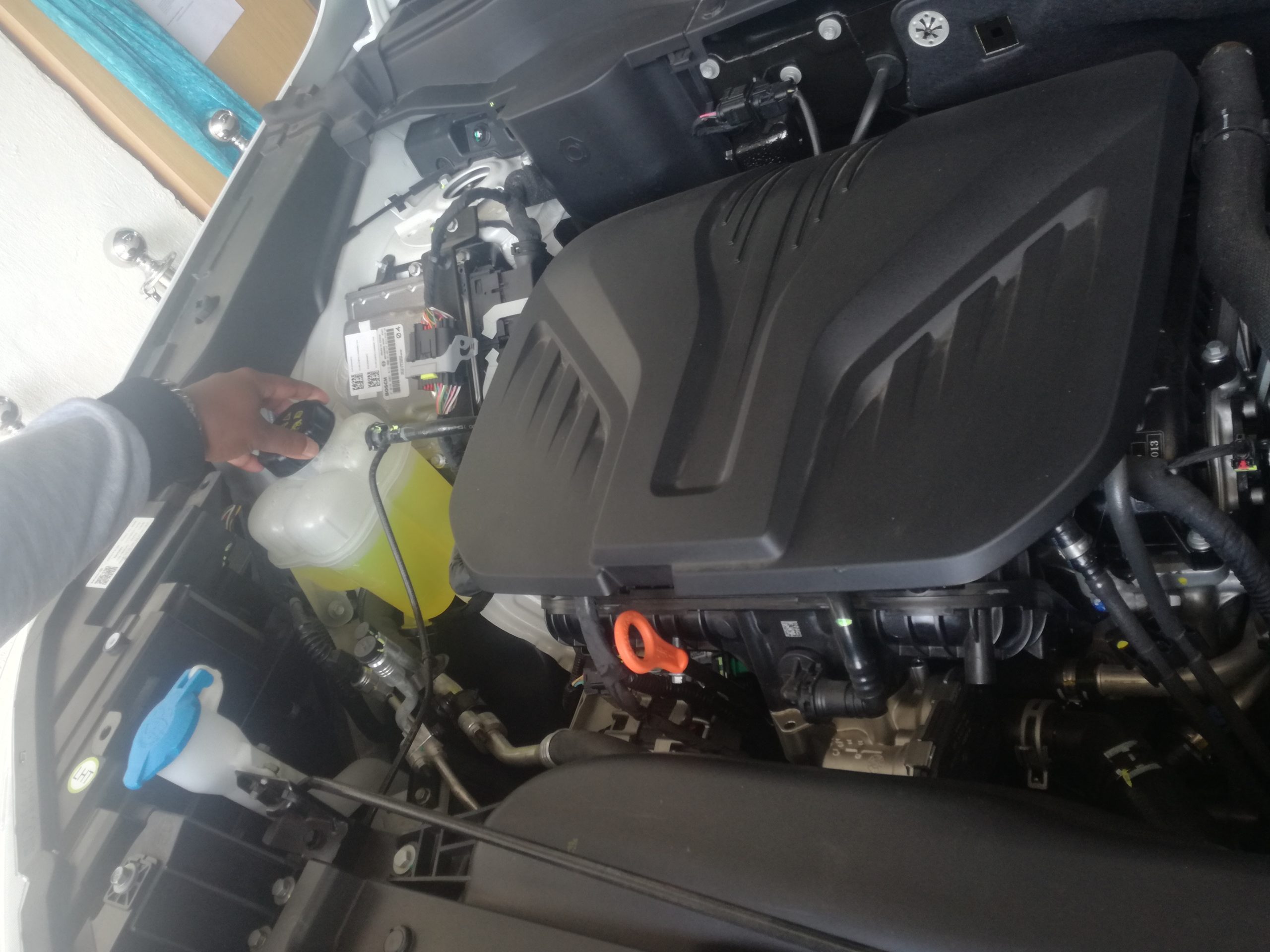
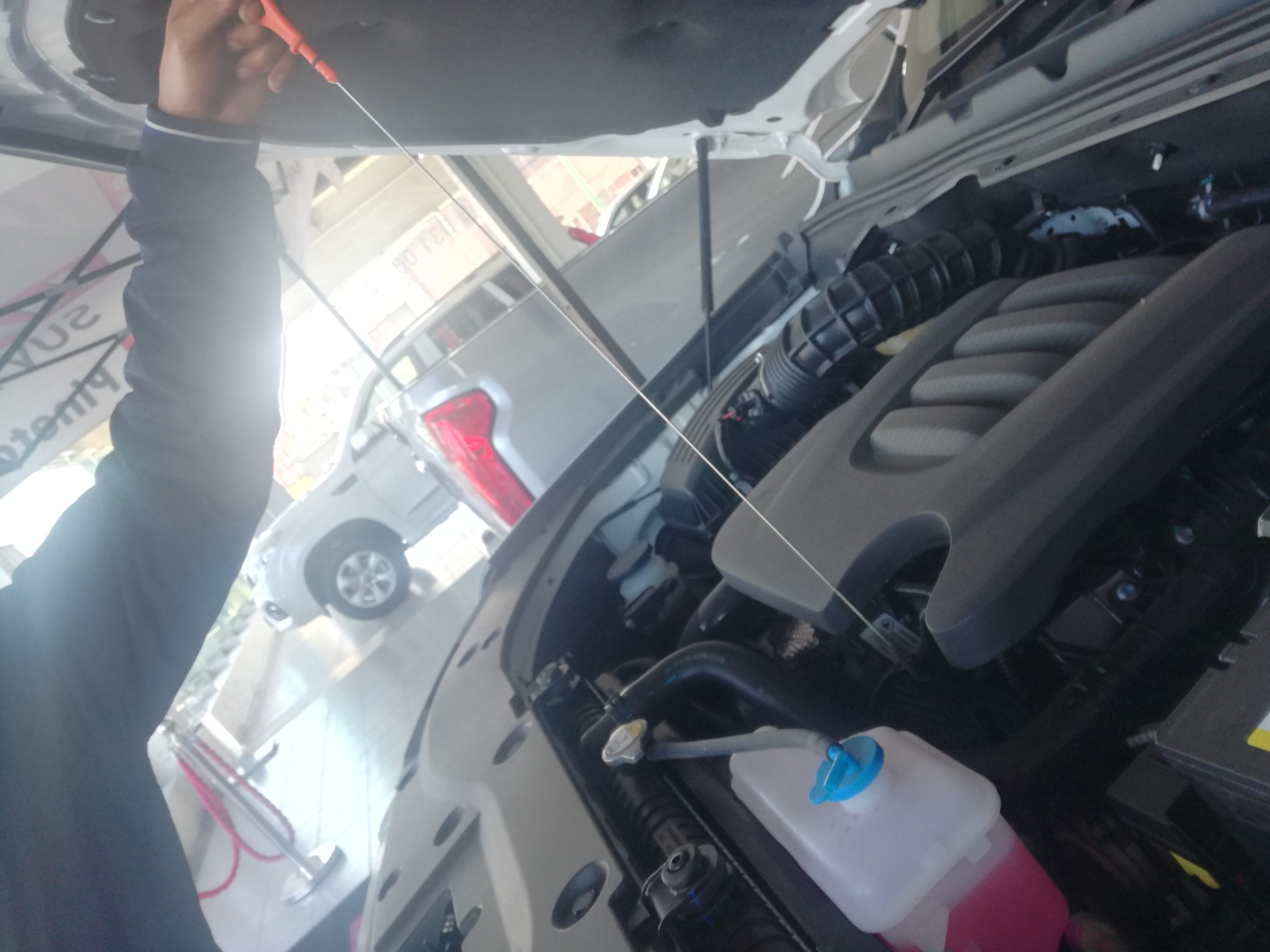
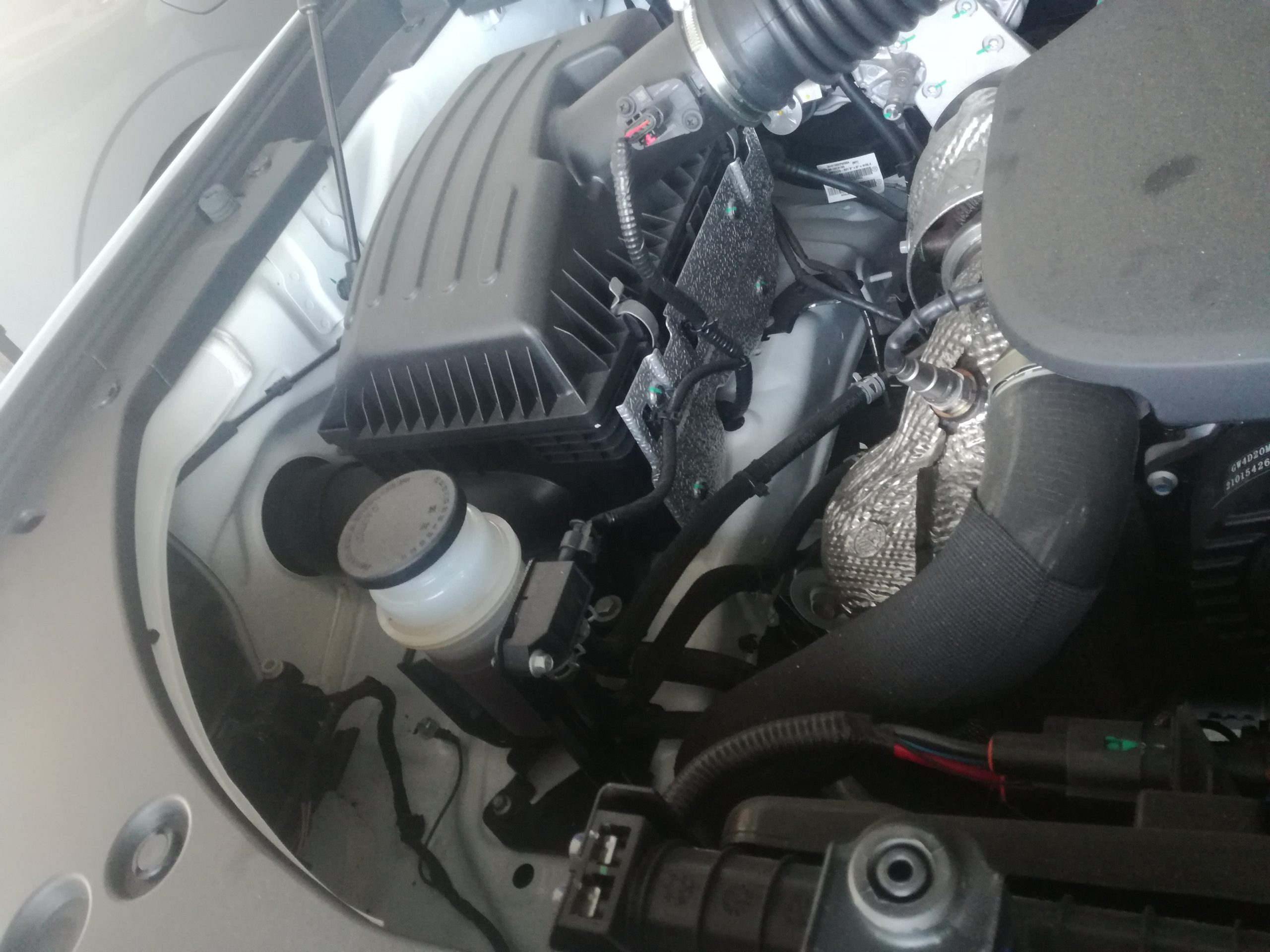
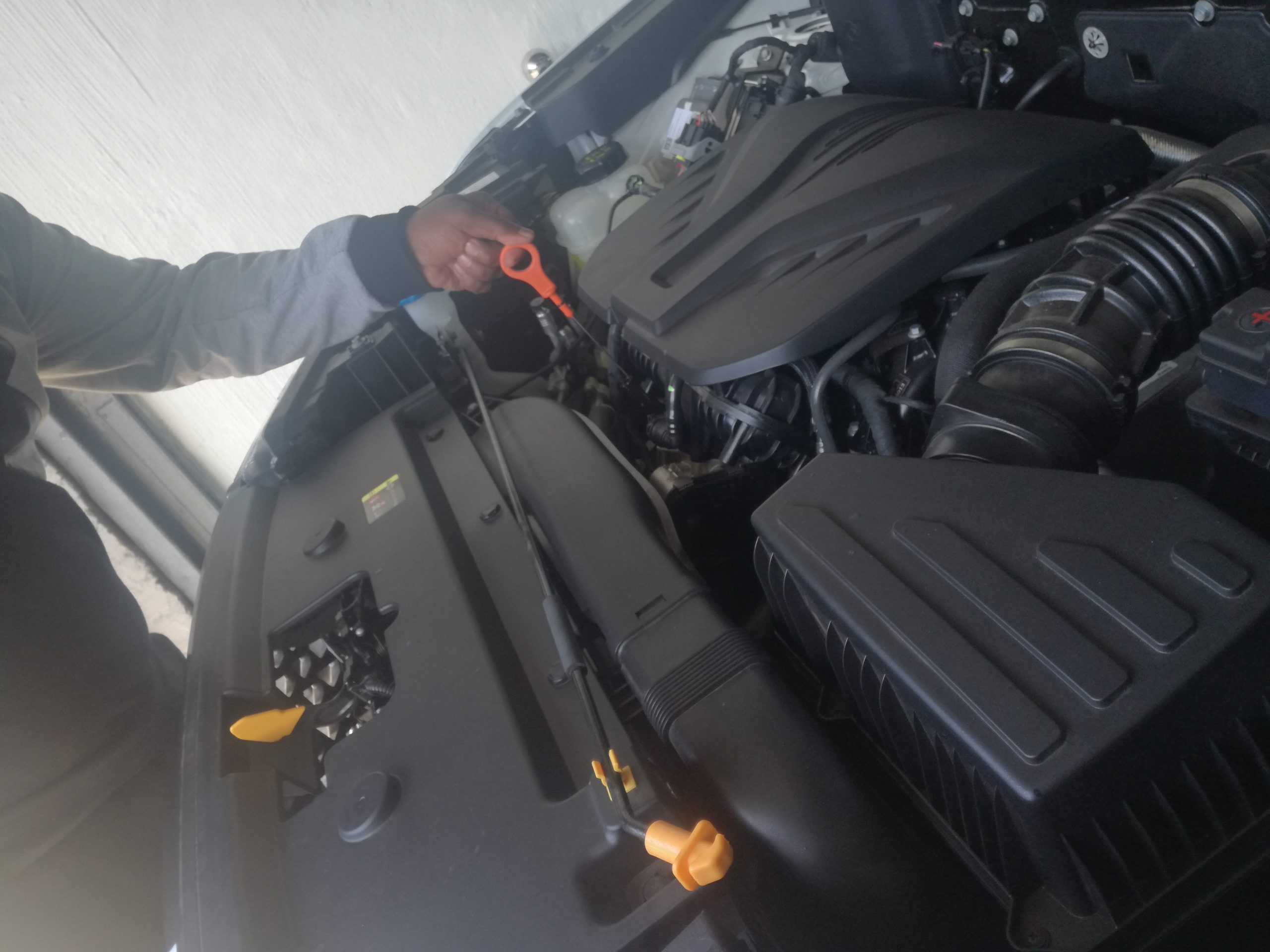
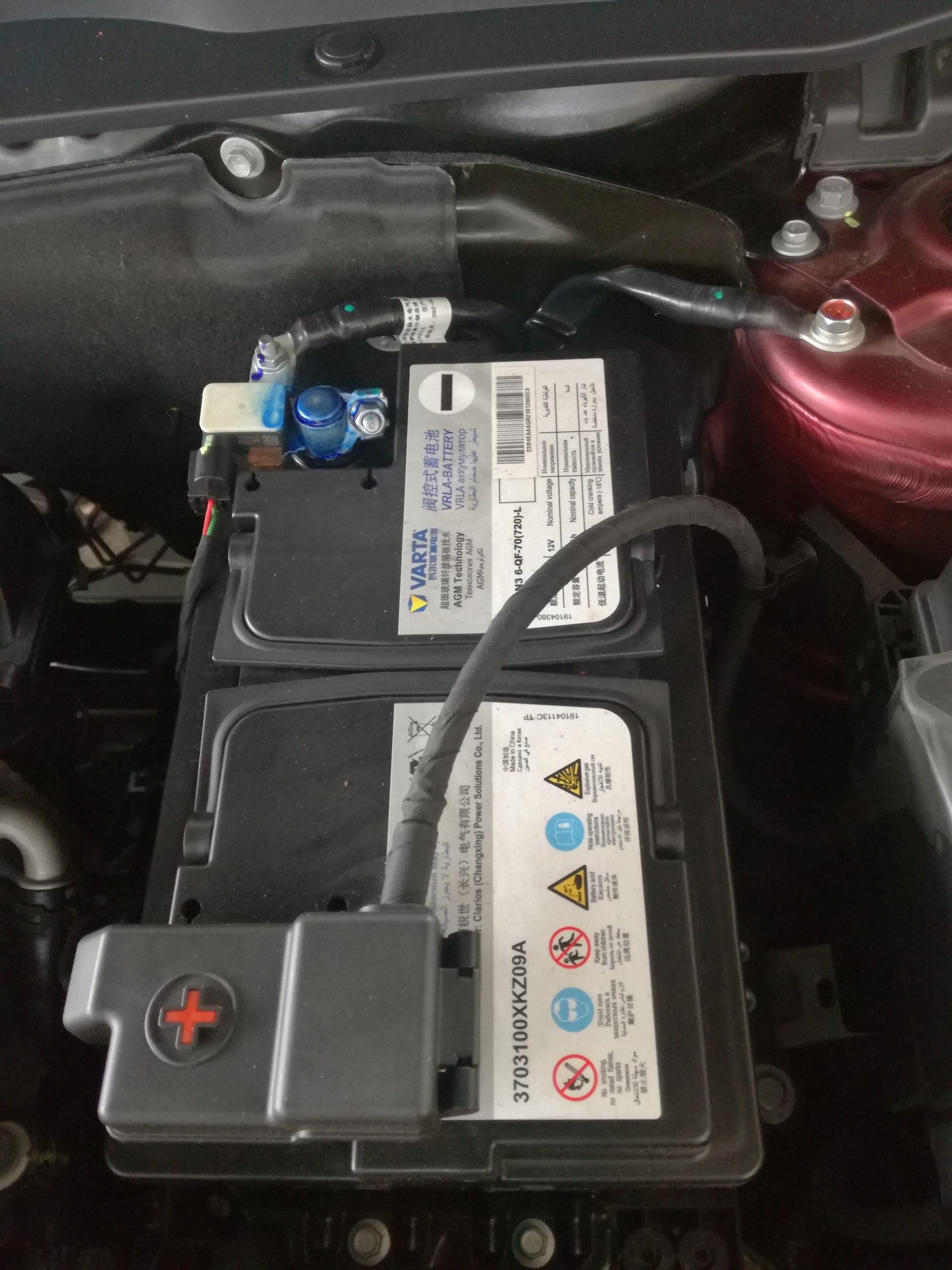
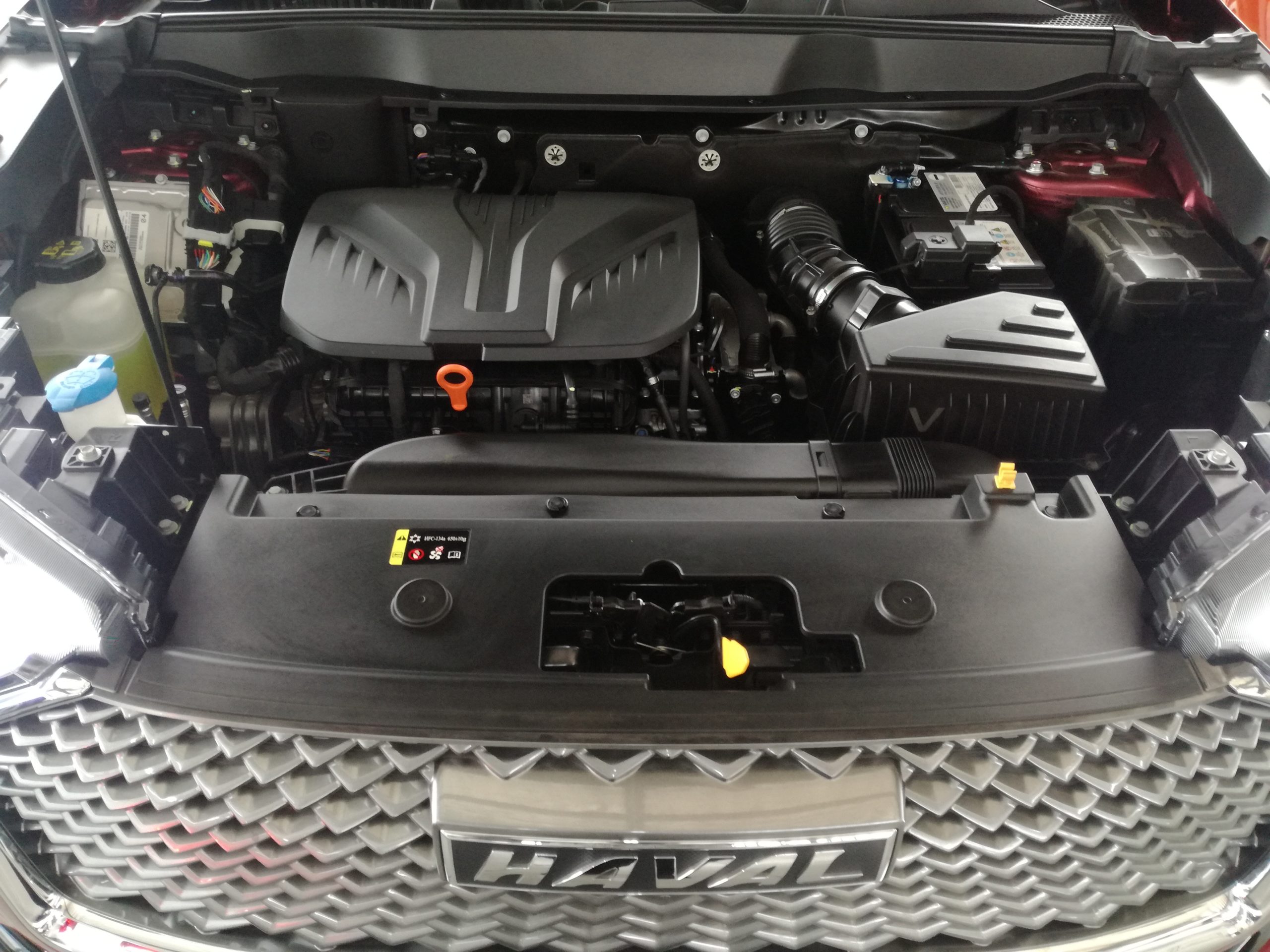
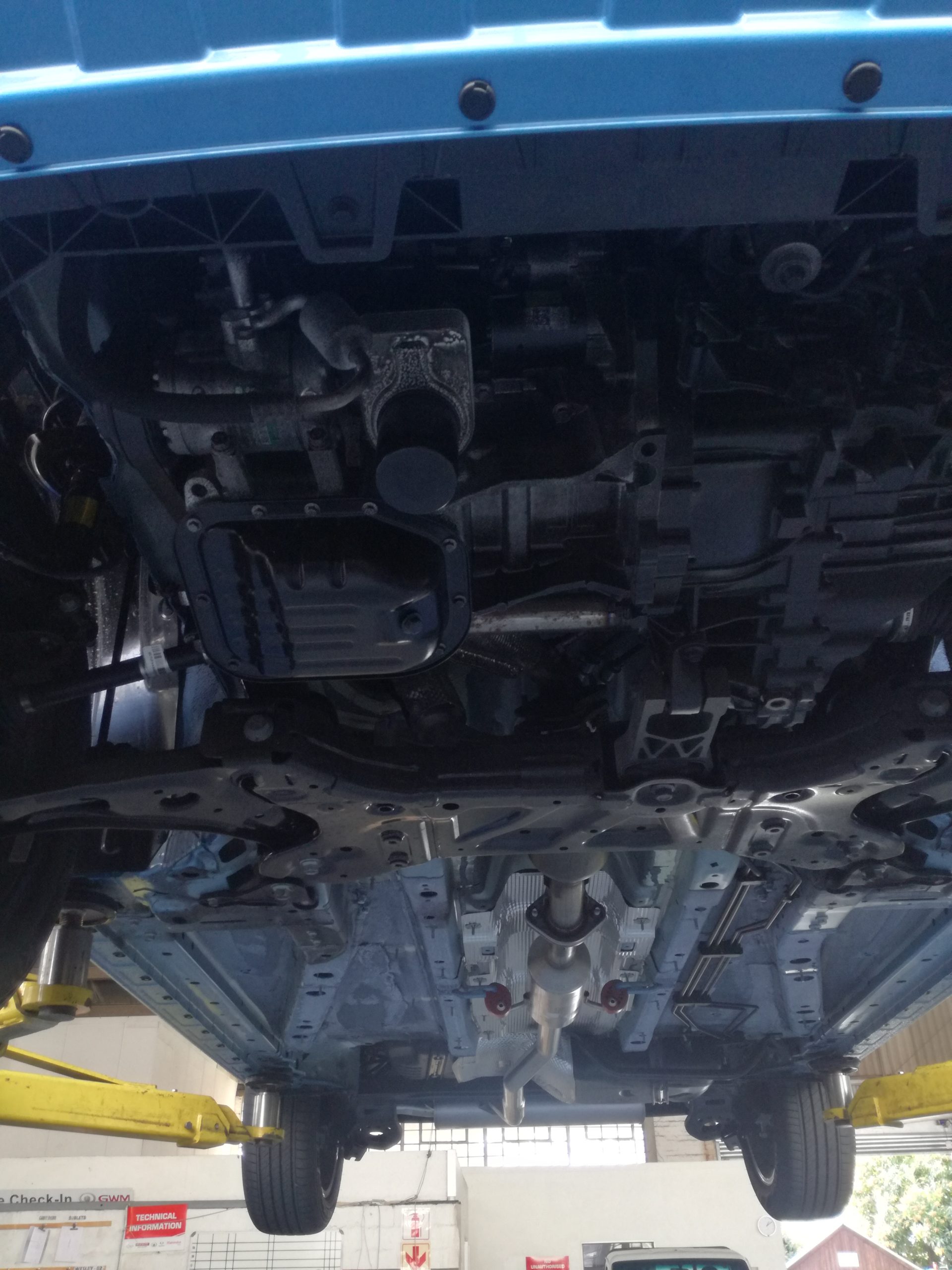
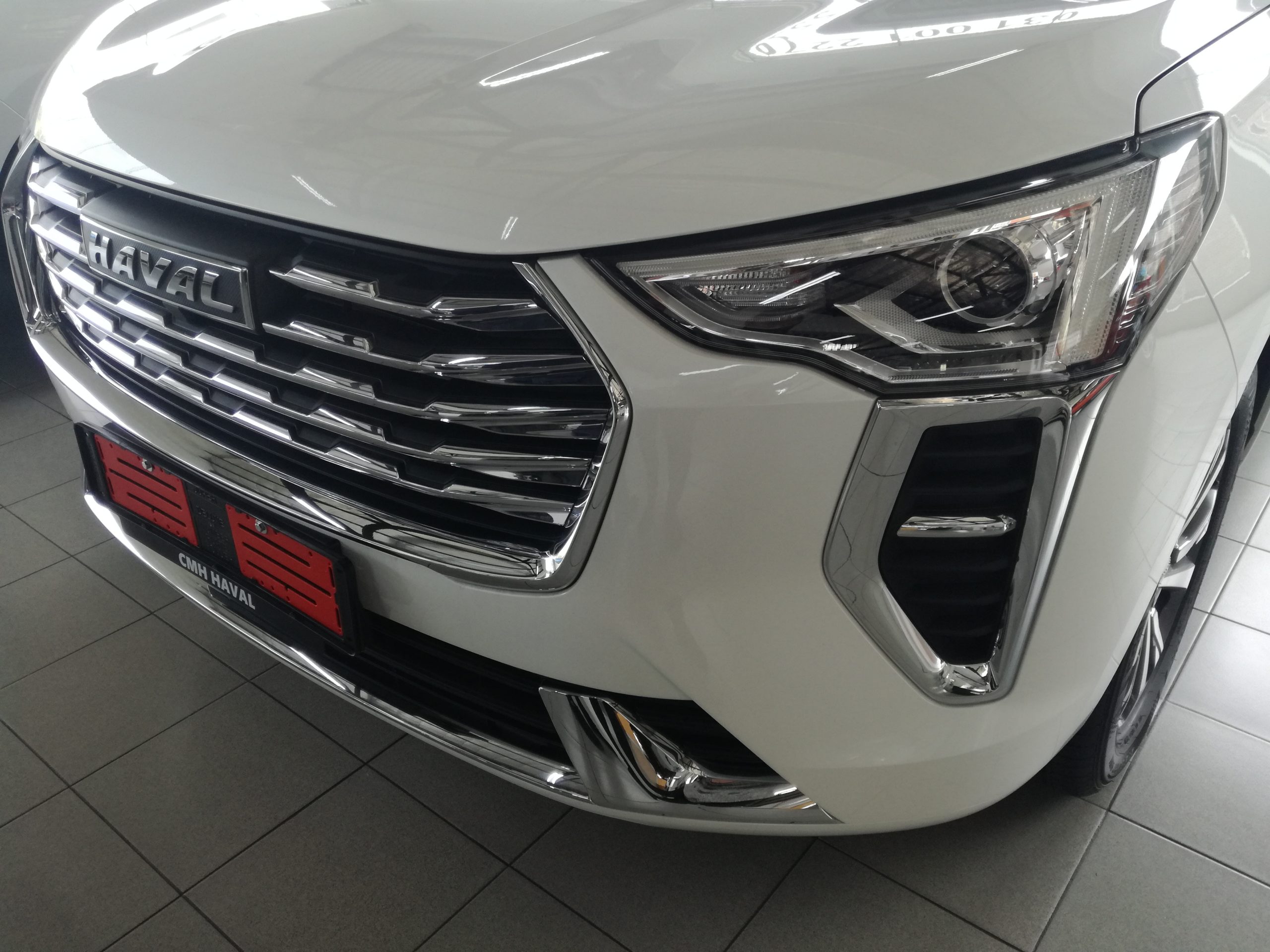
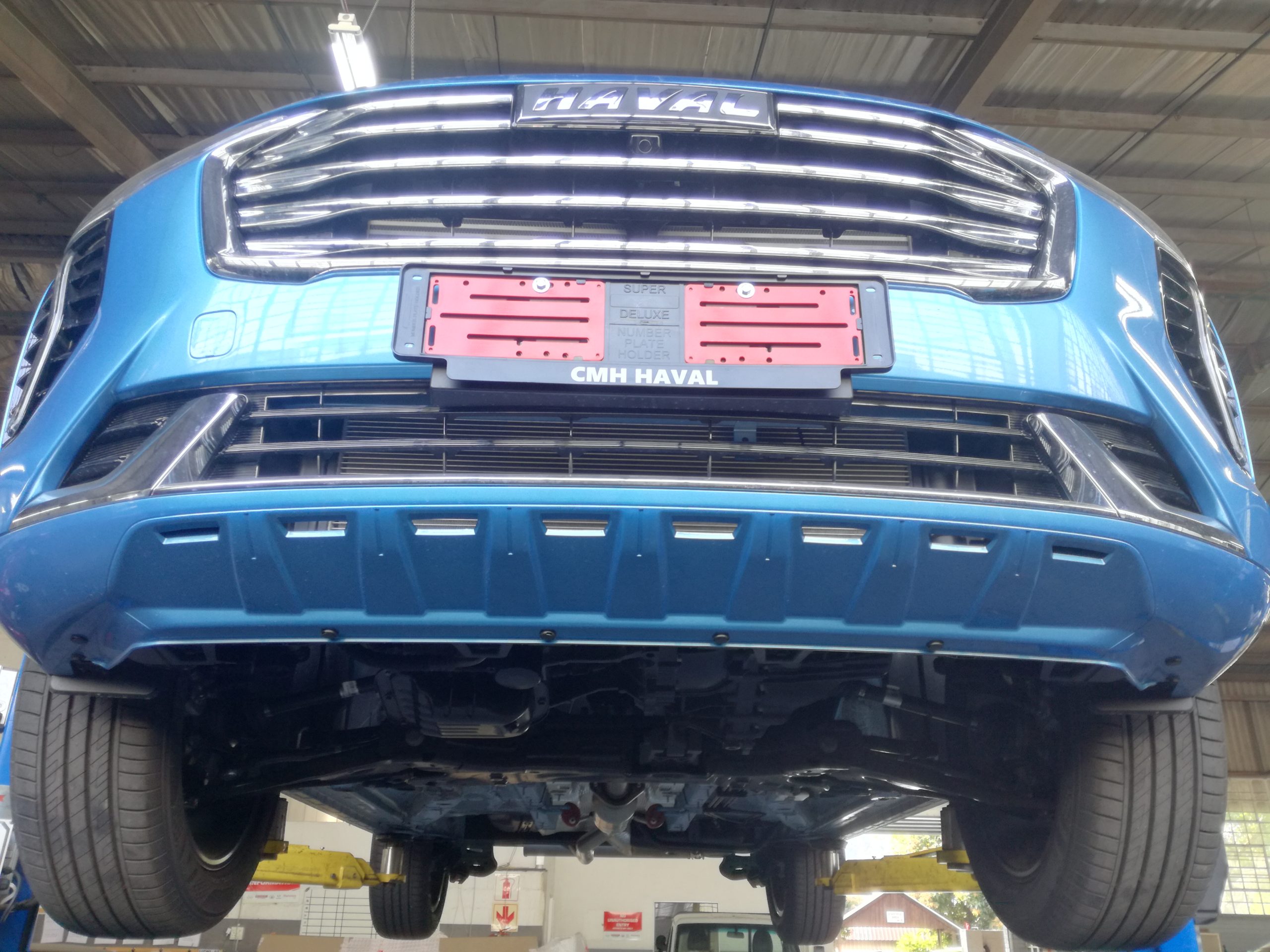
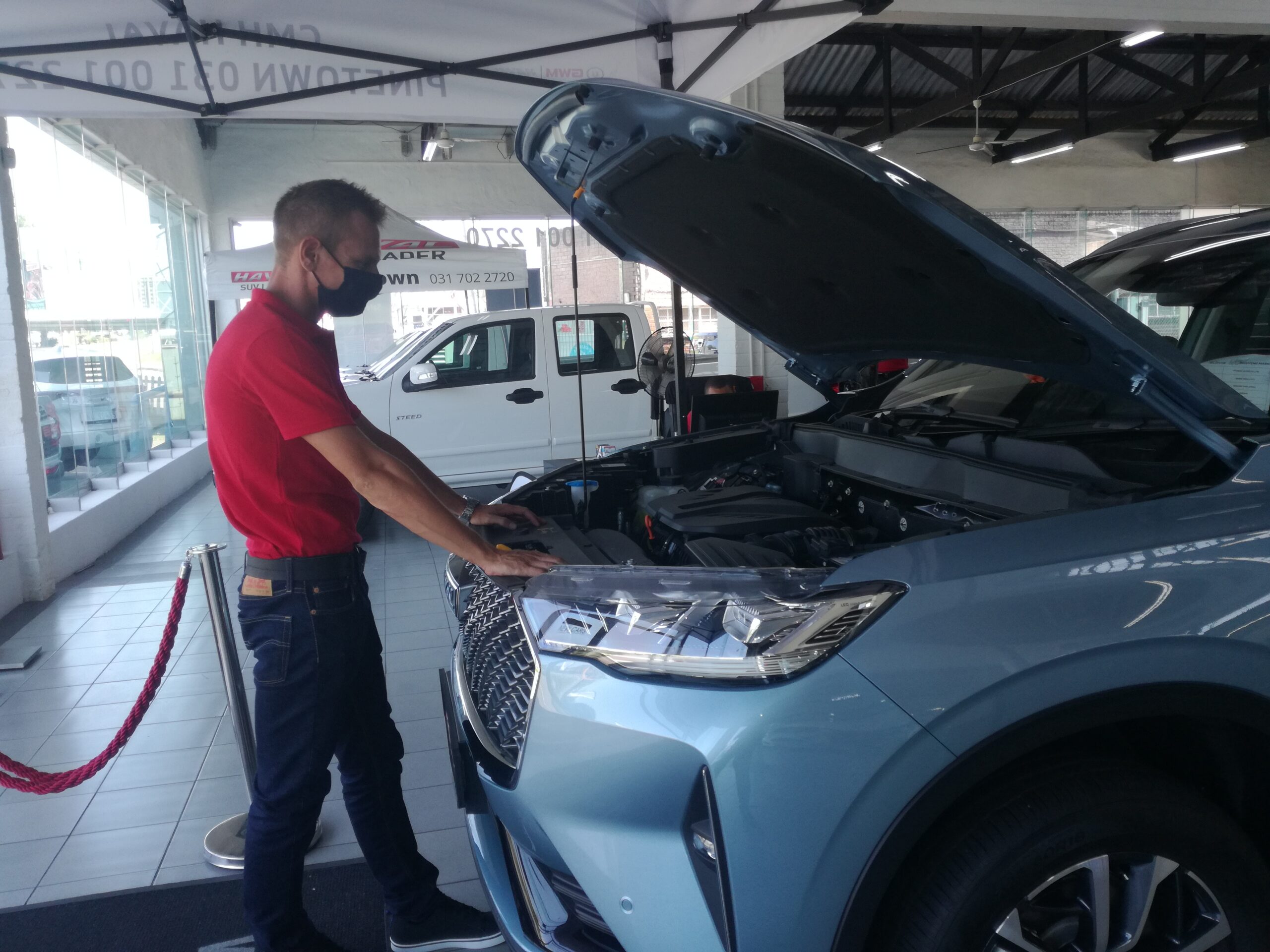
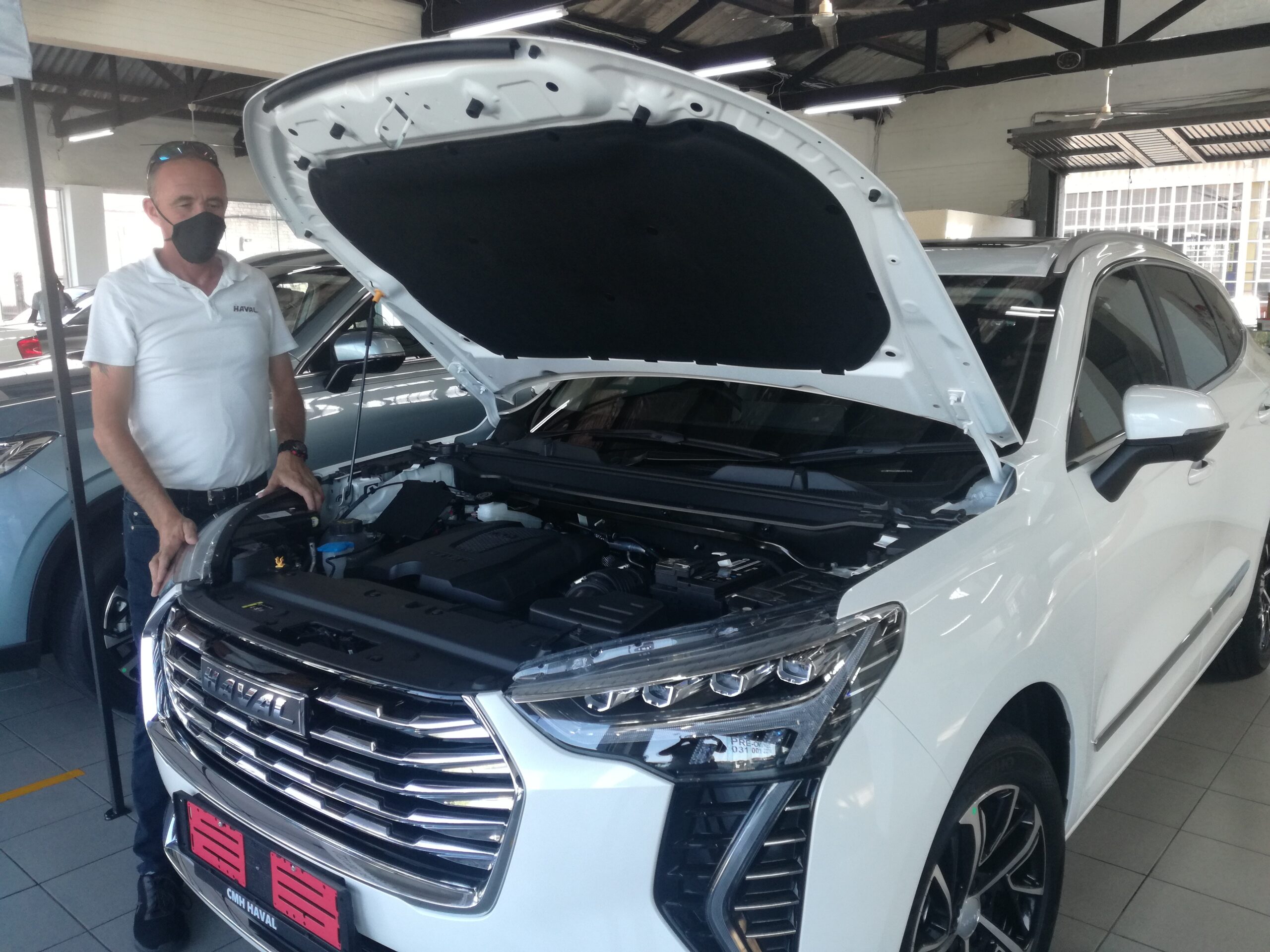
A new generation of Haval SUVs is adding to the Haval family. Haval CMH Pinetown brings the highly anticipated Haval H6GT that stands out from the crowd and has unique features like aero side skirts, accents that are visually enhanced, and an automatic semi-auto mode. Its most prominent feature is the curb appeal that makes it one of the most dynamic SUVs around.
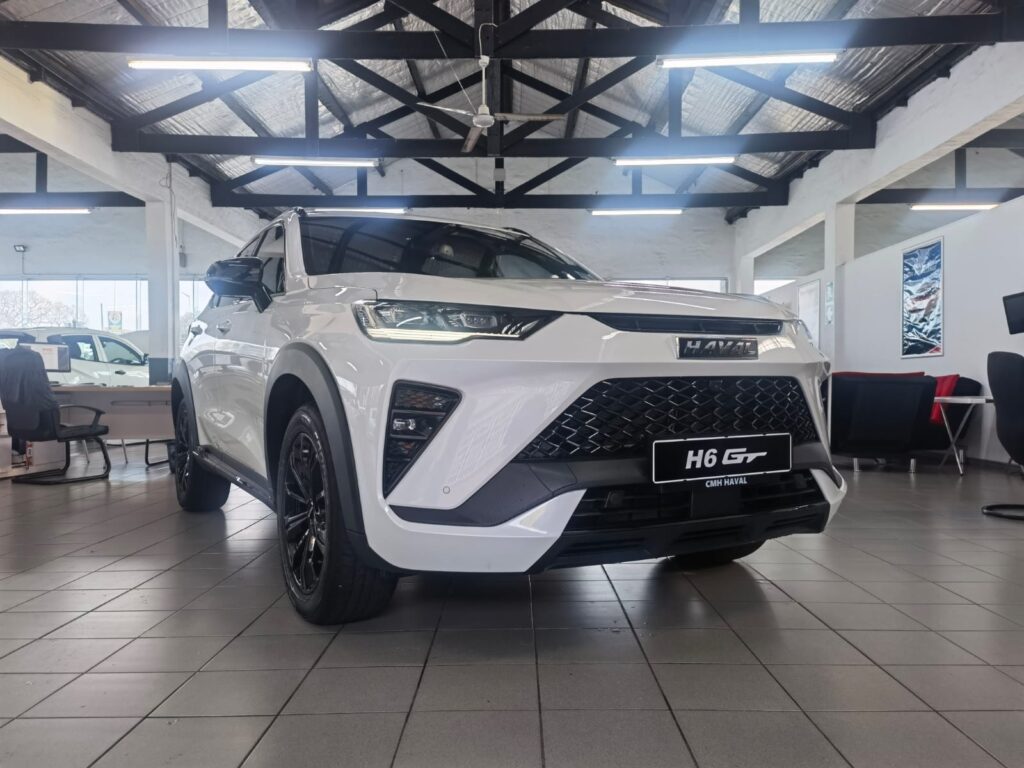
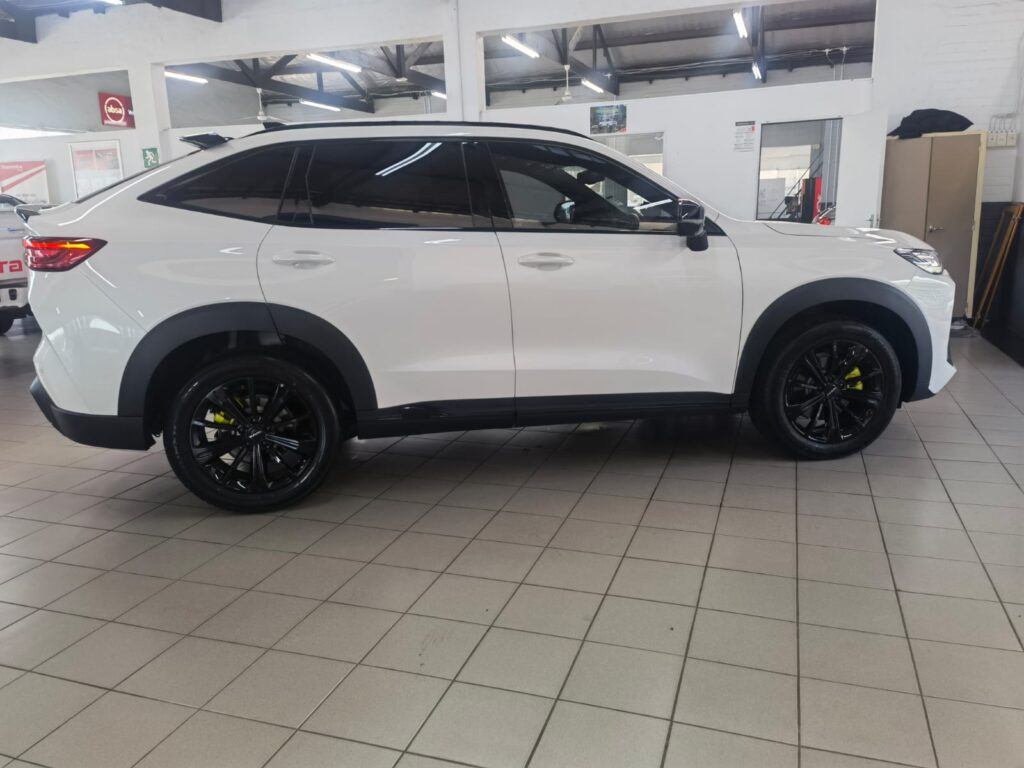
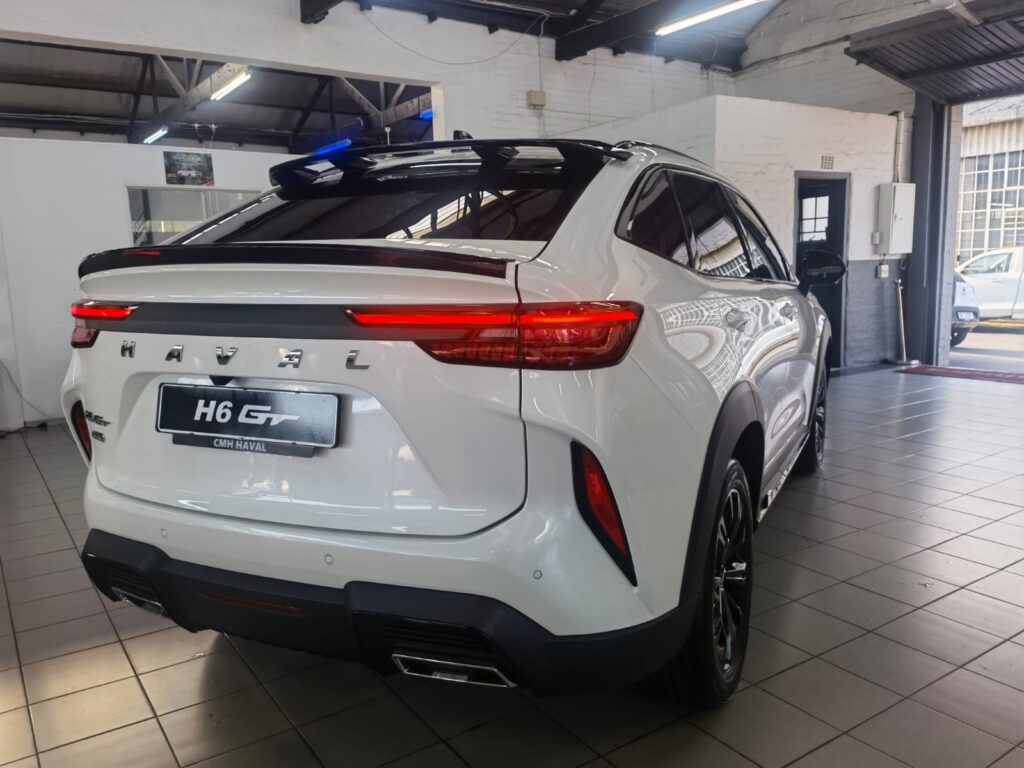
The sporty race look gives the H6GT a different perspective compared to the H6 SUV. The style and language are distinctive with a sloped roofline and panoramic sunroof that stands out. The roof-mounted spoiler is rear-finished, and it has a modified lip. The appearance of the SUV Haval H6GT is enviable and dangerous, a look that stands out from the crowd.
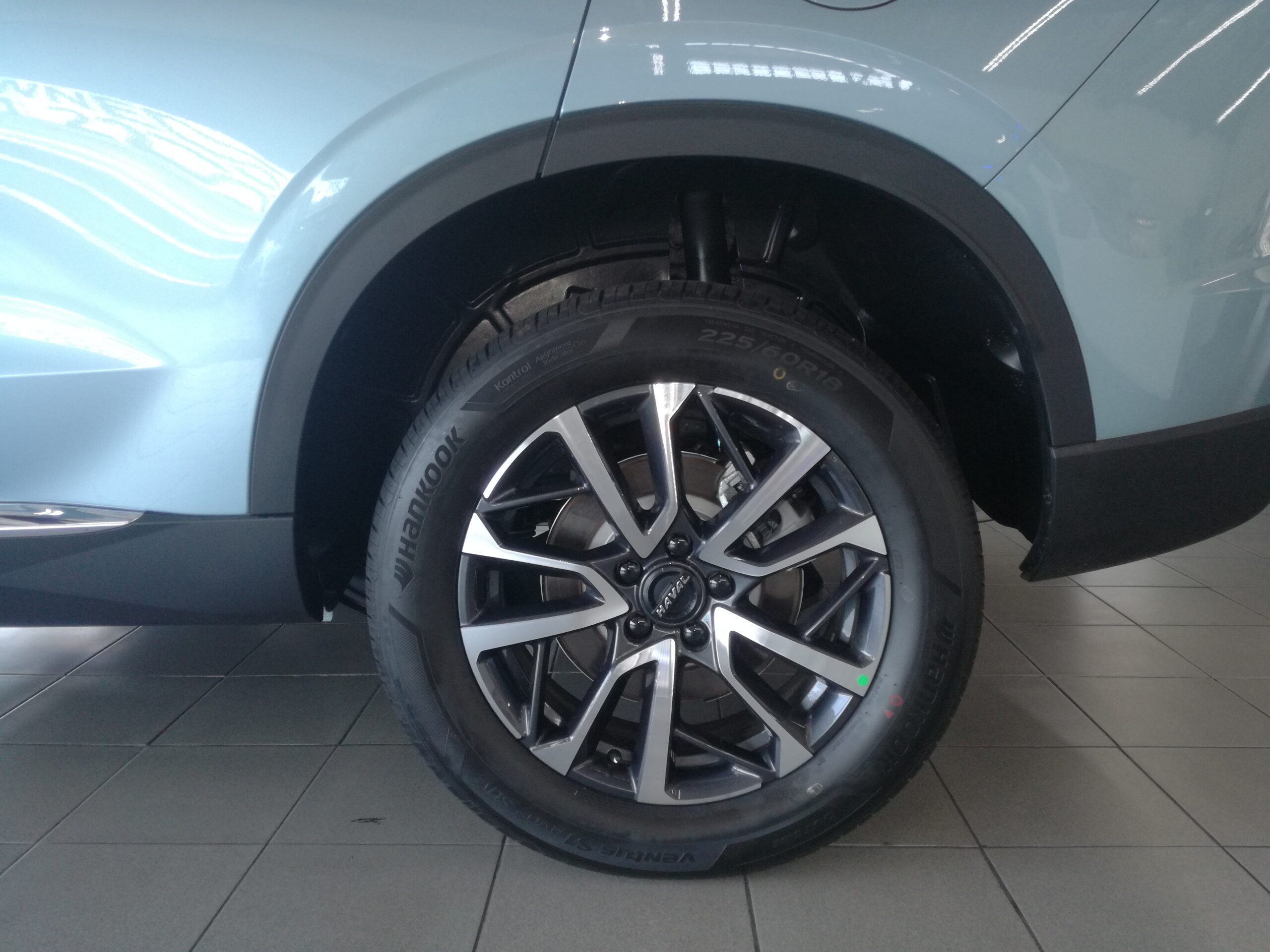
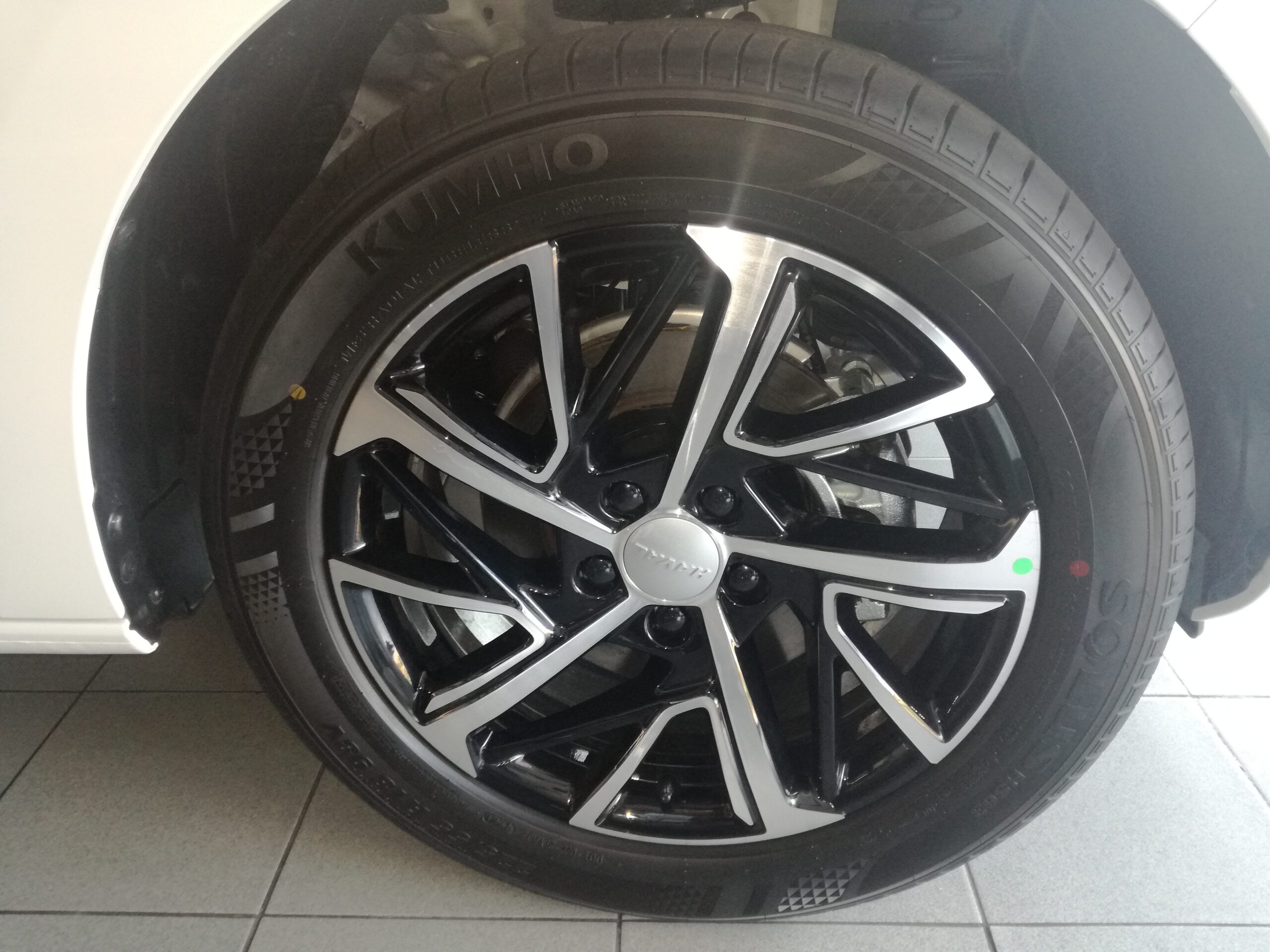
To tantalize your taste buds, the H6GT offers 235/55 R19 in a black finish, alloy sporty wheels, exterior mirrors, and roof gloss black rails. The aerodynamic kit is noticeable with side skirts and a rear diffuser.
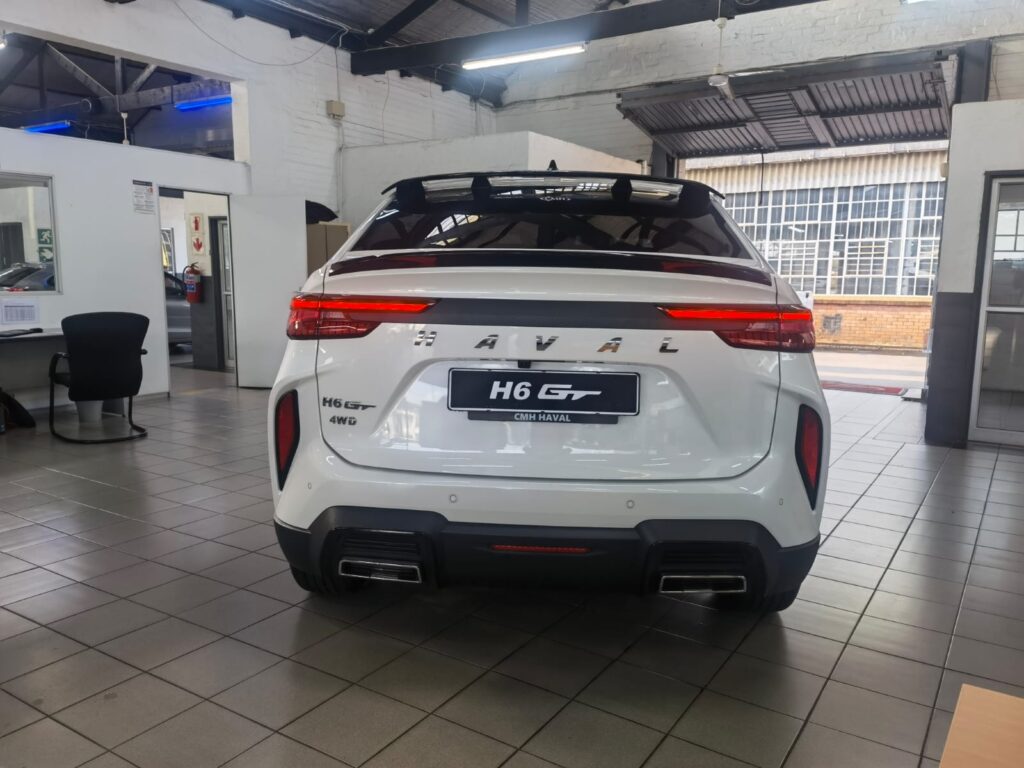
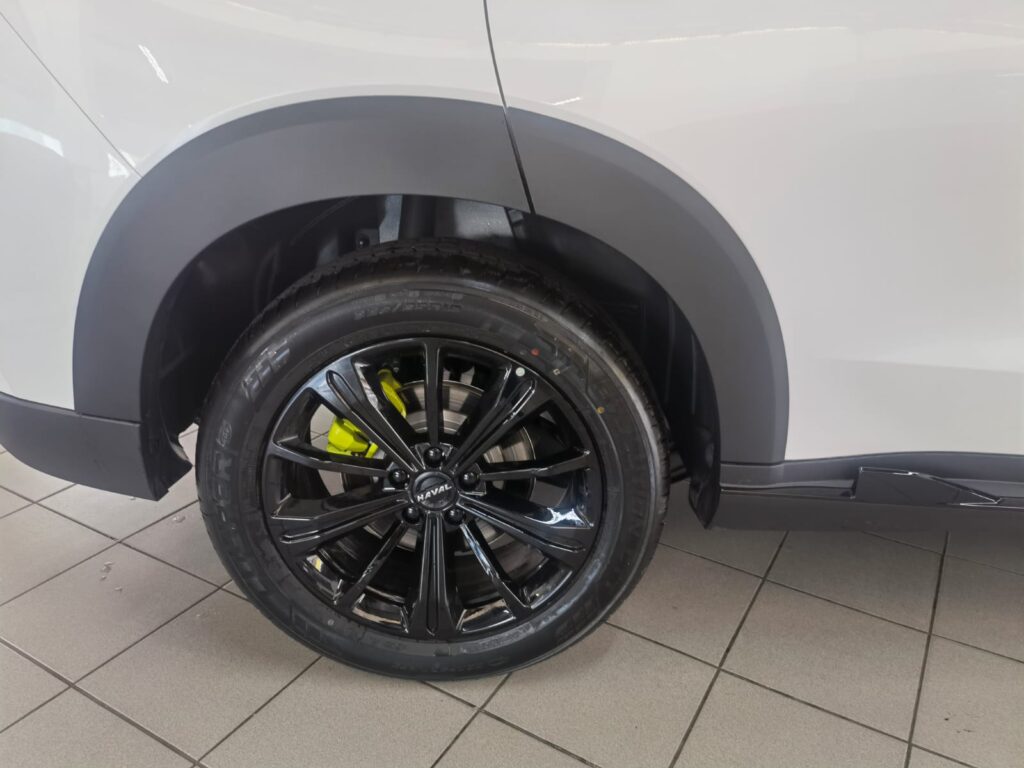
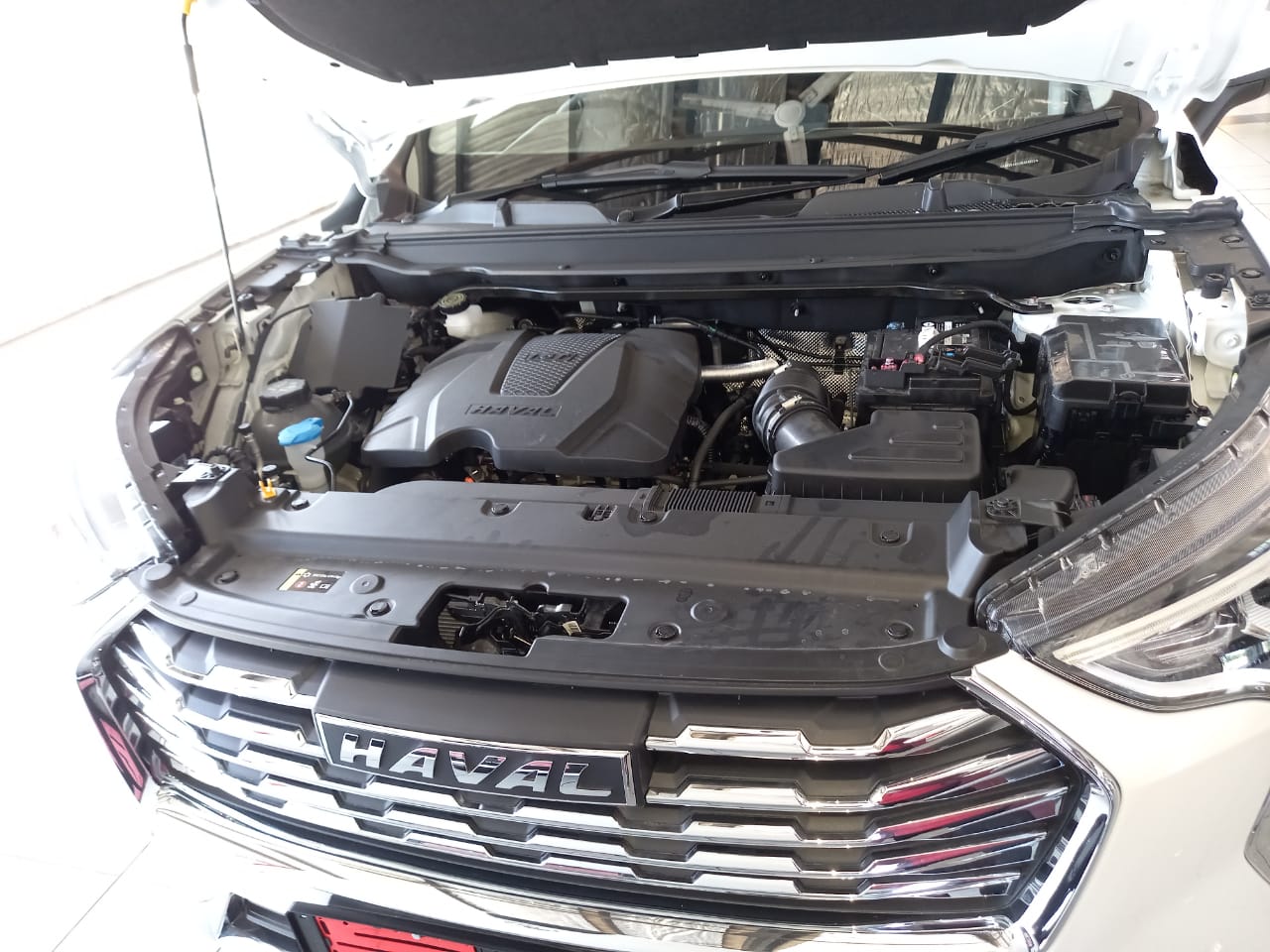
The new H6 GT is a 2.0 litre turbocharged petrol engine producing 155kW @ 6000 r.p.m. The 7 – Speed DCT delivers smooth acceleration whenever and wherever you need it. It is paired with a TOD 4WD system. With its beautifully crafted interior, it provides a versatile balance that lets the user live effortlessly. The Haval H6 GT is the first SUV in the country to have a race mode. This has a stronger exhaust note with a more responsive transmission and throttle.
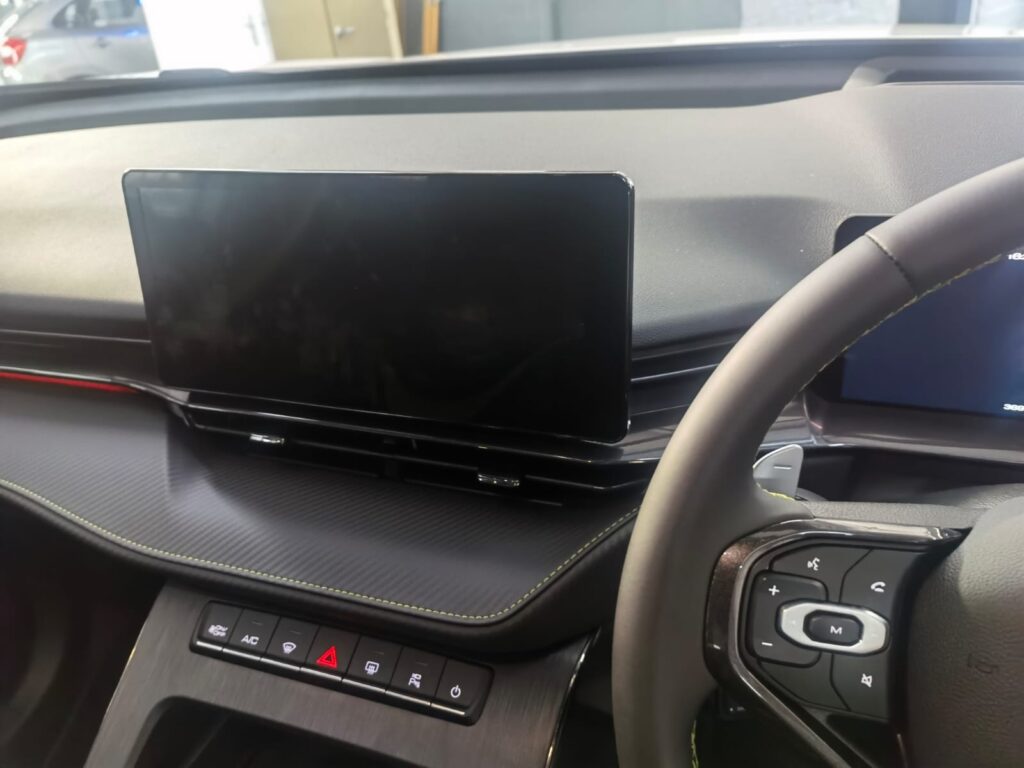
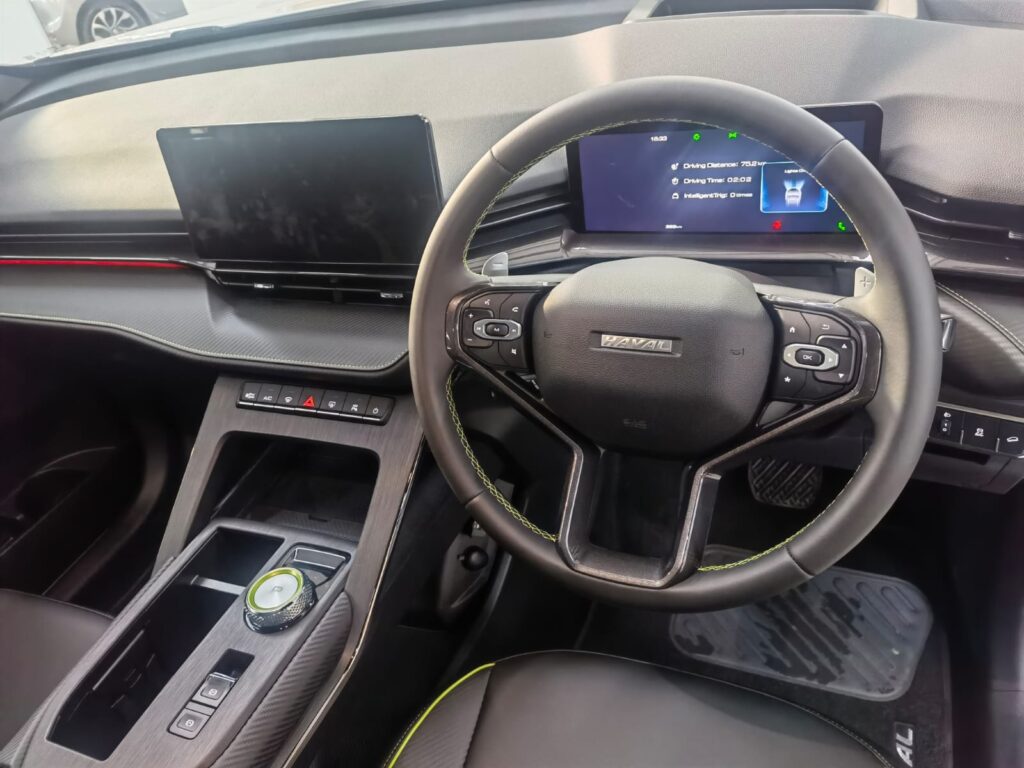

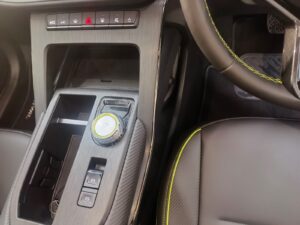
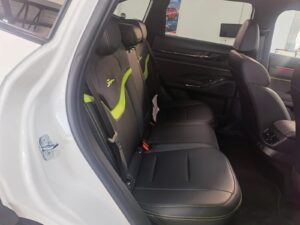
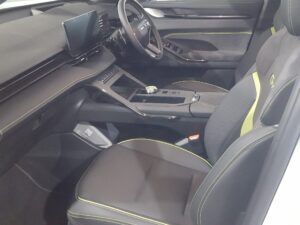
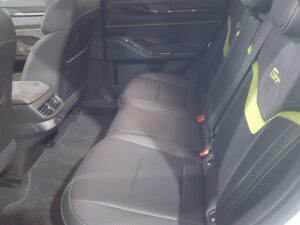
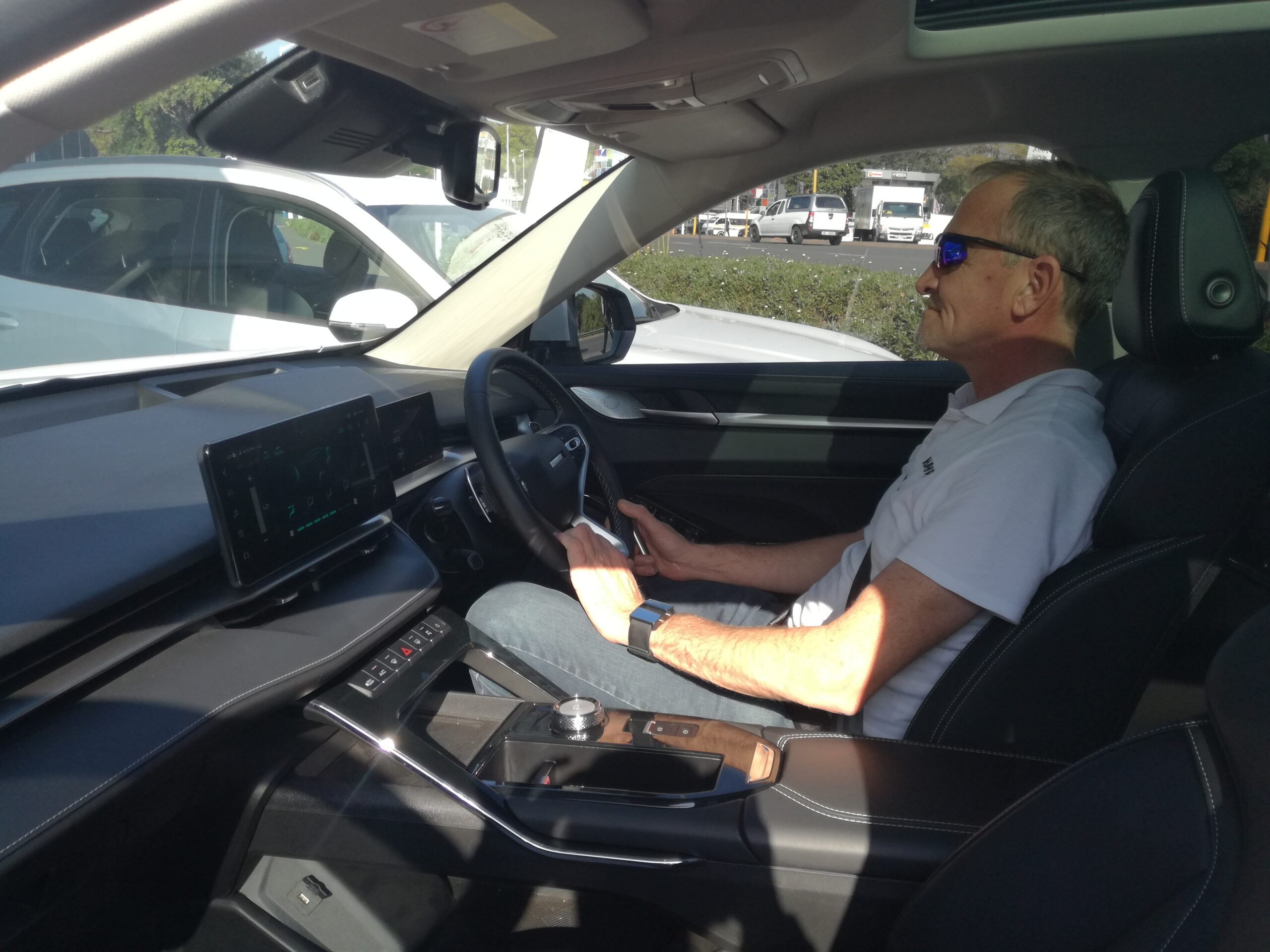
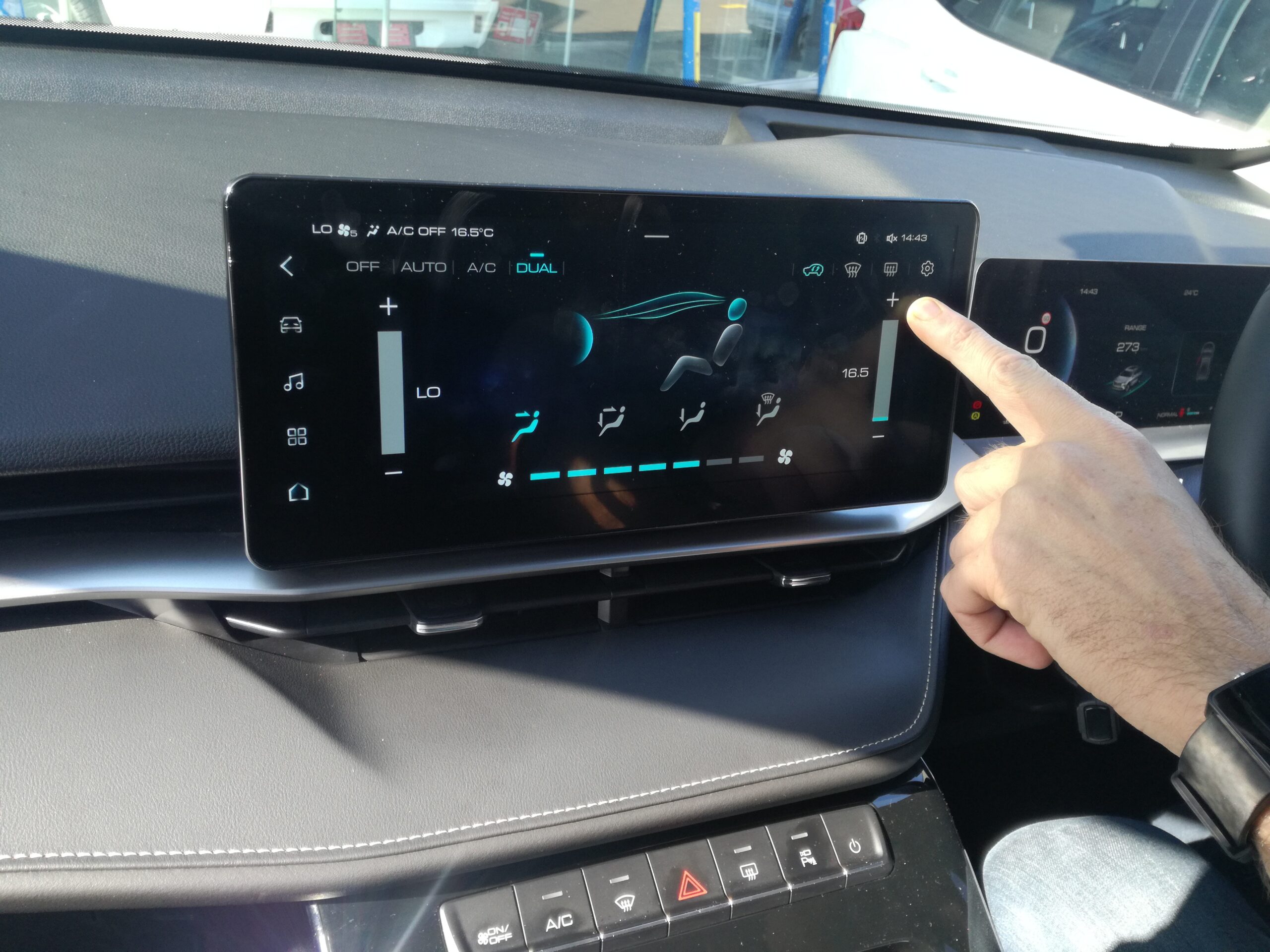
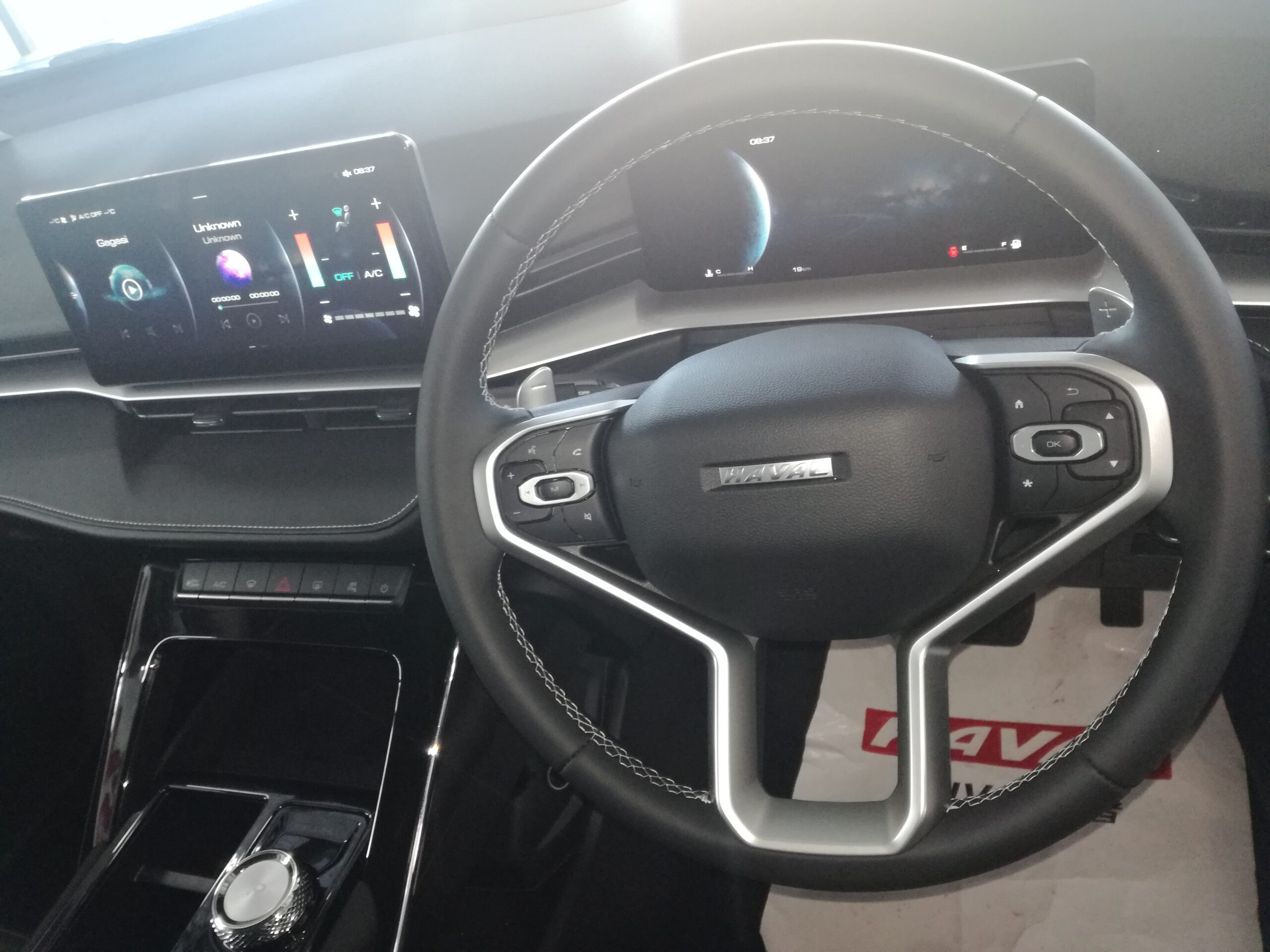
The ambitious stance is reinforced. In addition to the sophisticated comfort, you’ll find a sporty trim and striking Alcantara insert. The design is driver-centric, with heated seats, a 10.25-inch digital instrument cluster, wireless charging, and a 12.3-inch central display that is beautifully crafted, as well as SITC ACTP, the 360-degree view camera system, so parking is a breeze. The adaptive cruise control is integrated into the camera system with traffic jam assist, AEB pedestrian, lane keeping assist, lane departure alert and blind spot detection with rear cross-traffic alert.
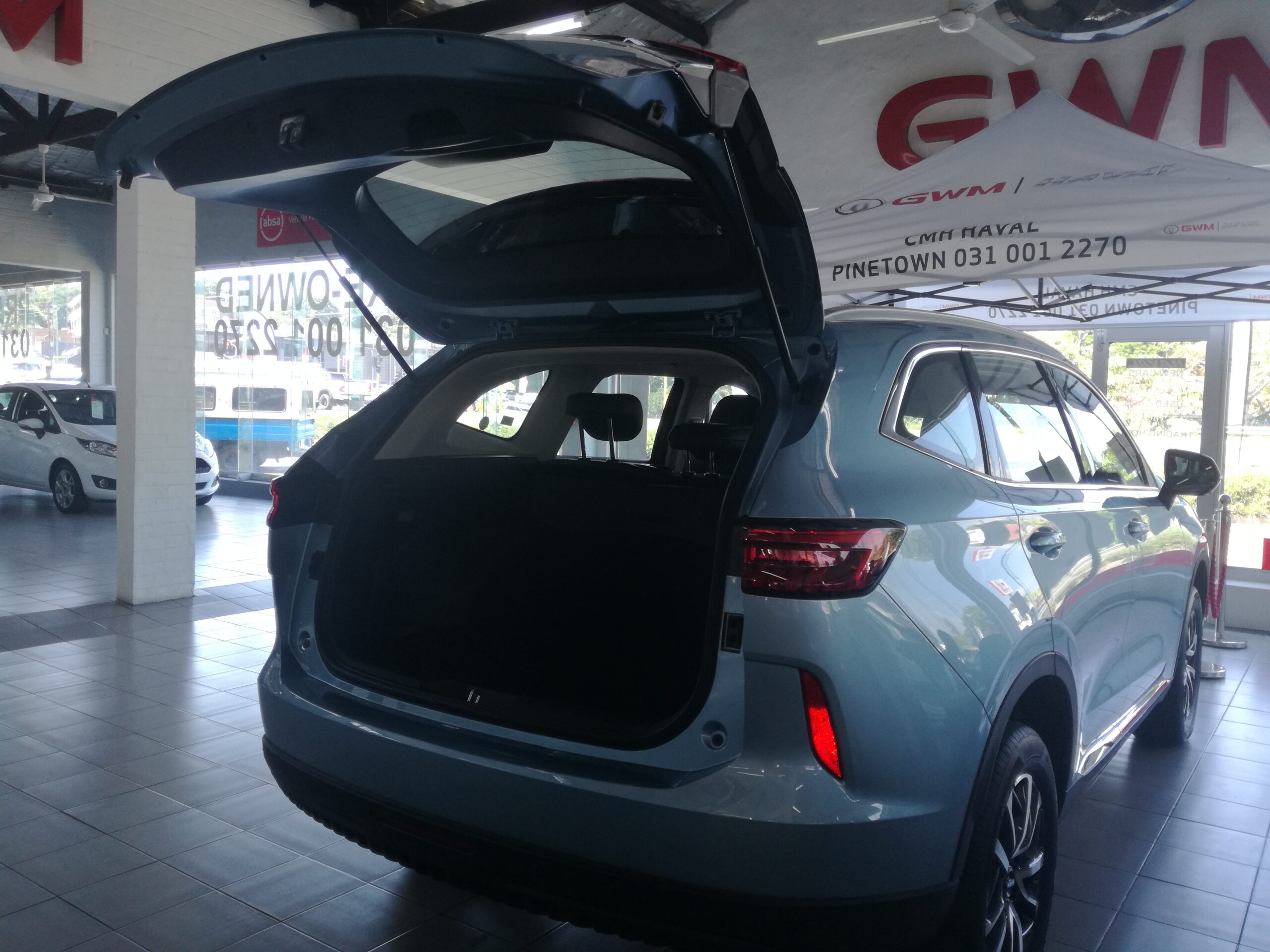
The performance balance of style is created and heightened with versatile style, modern technology, and luxury. A room of comfort can accommodate up to five adults and their luggage, making it ideal for adventurous trips.

Overwhelmingly popular, the vehicle has exceeded the expectations of a perfect flagship. The average motorist can be confident in this promise.
The Haval H6GT makes a strong statement to the South African market. This statement continues to further show and evolve Haval CMH Pinetown’s commitment to its valued customers. The GT is on sale @ R629.950, while the H6 line-up starts at R479 950. This price includes a 5-year/100 000km warranty and a 5-year / 60000km service plan.
Visit us at 📌167 Josiah Gumede Road, Pinetown
Or call us on ☎ 031 001 2270
Or visit our website at 🌐www.havalpinetown.co.za for spring deals.
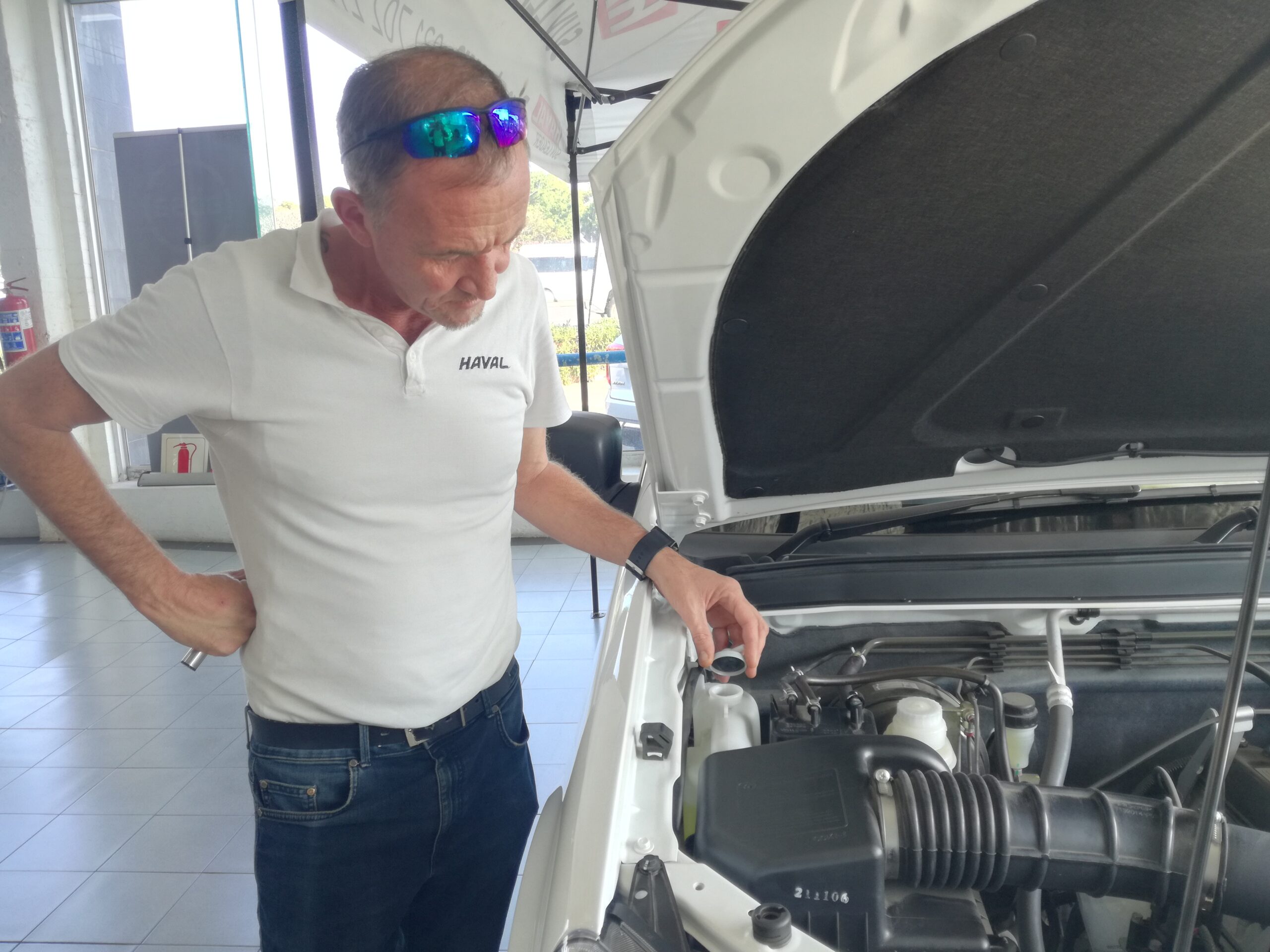
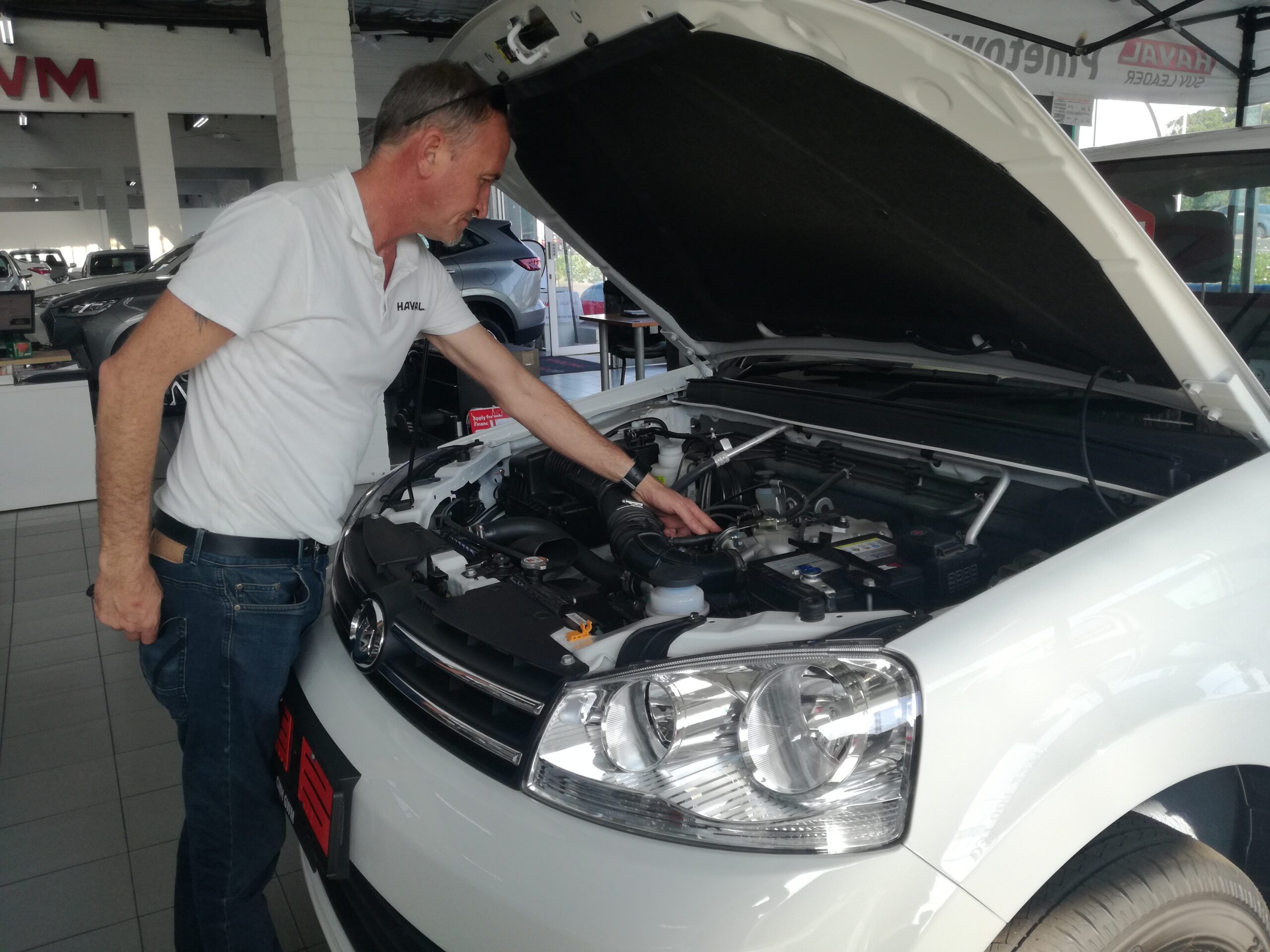
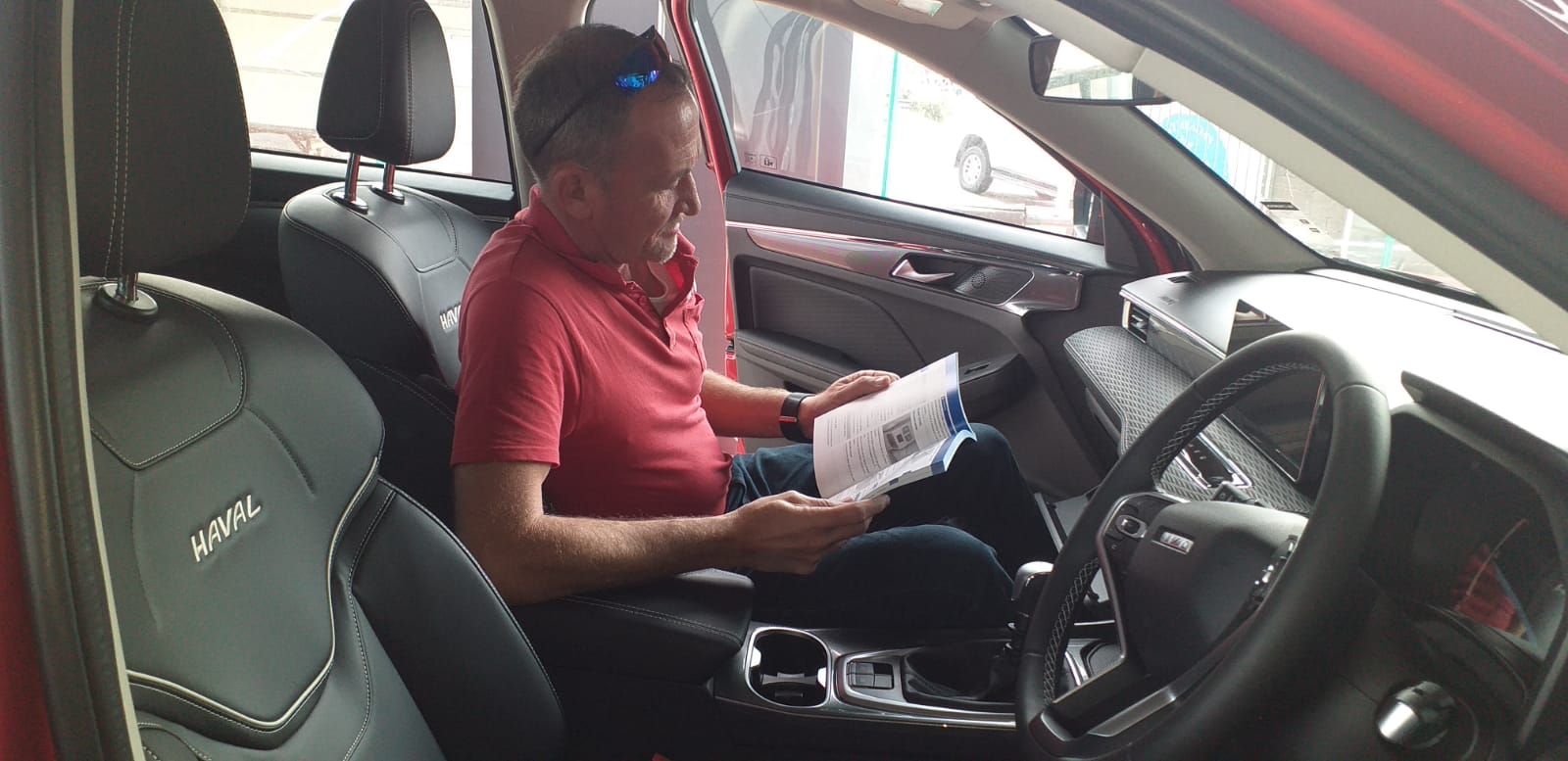
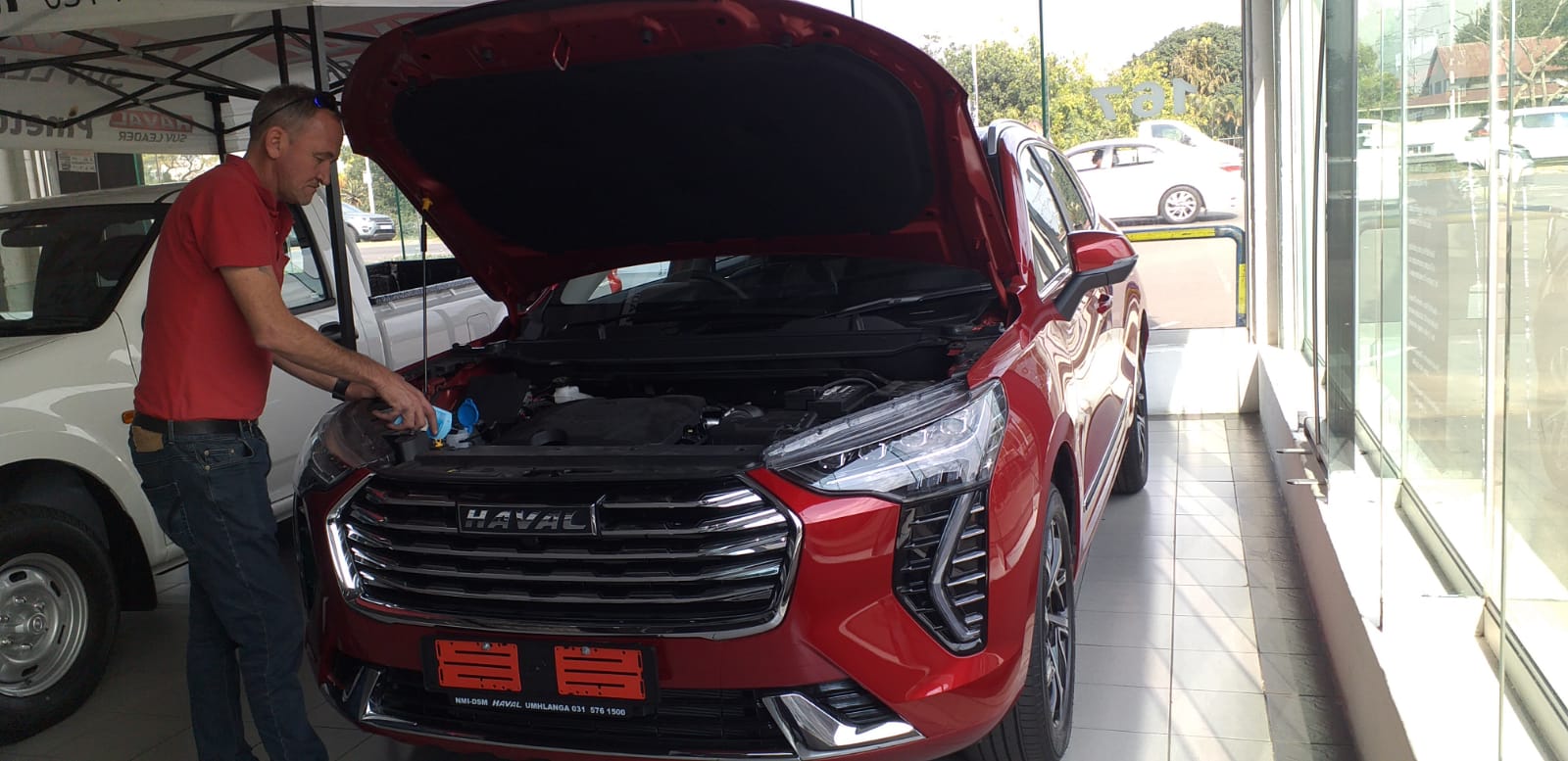 #The vehicle Owner’s Manual
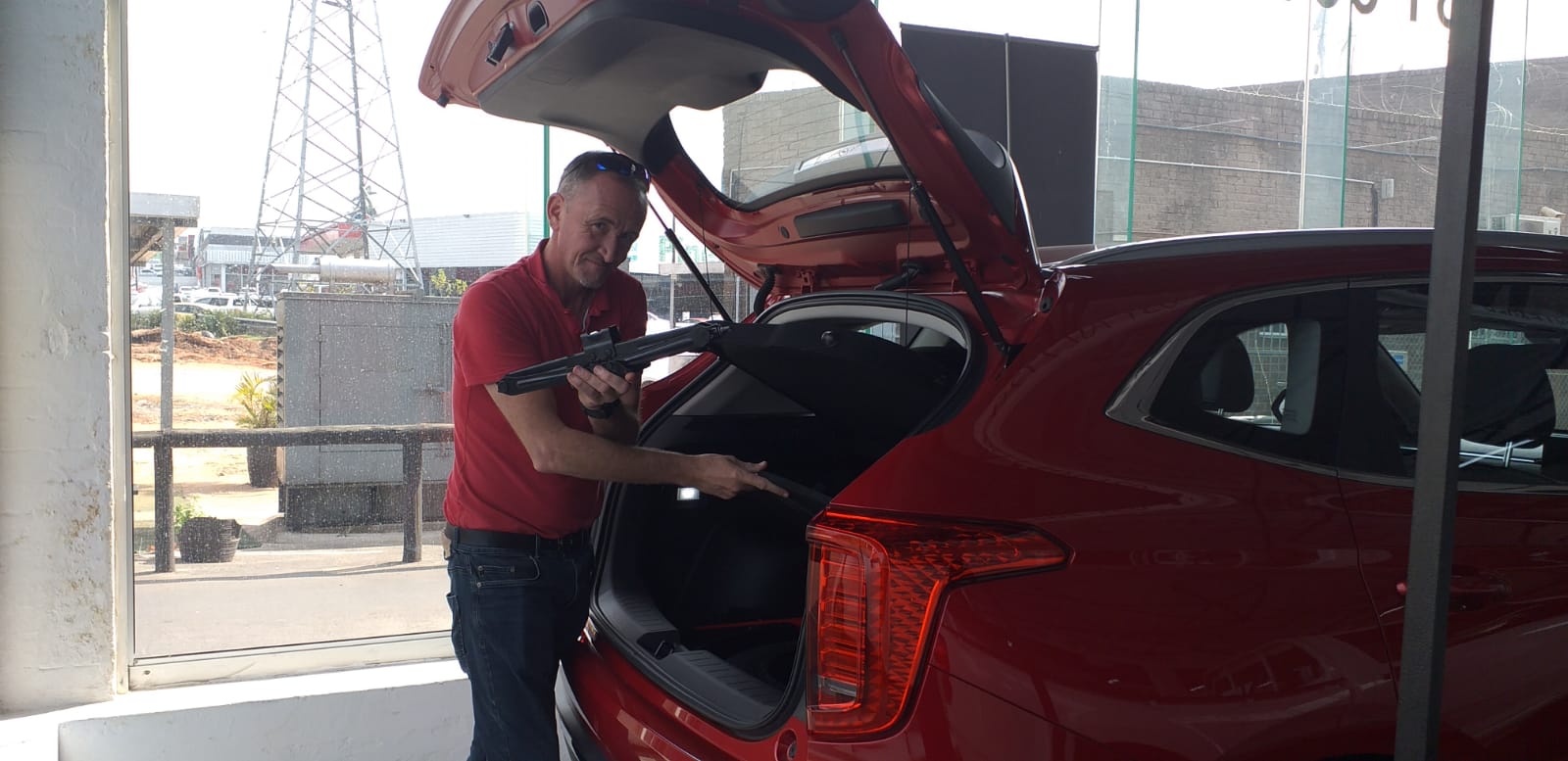 #A Spare Tyre with a jack and spanner
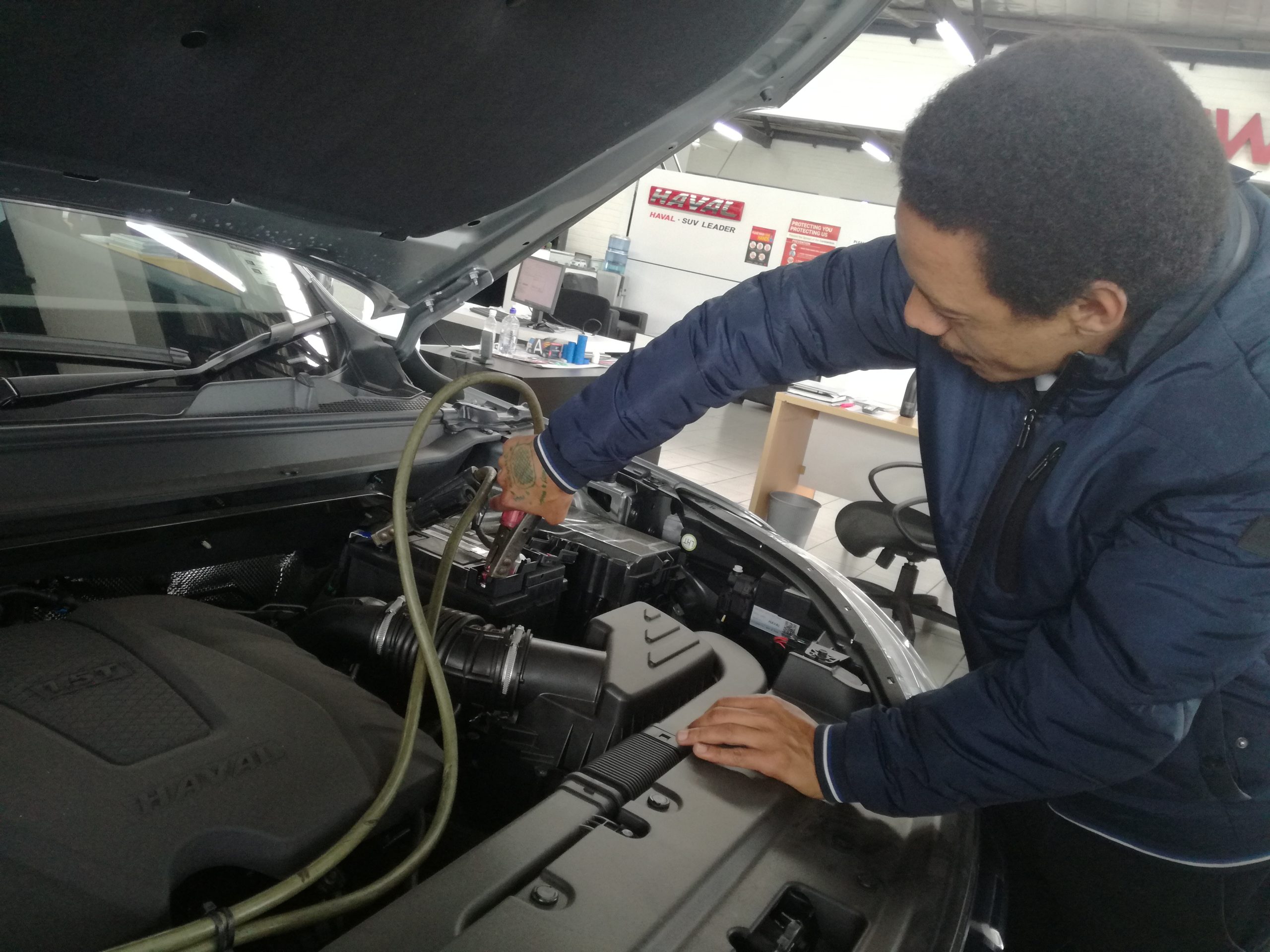
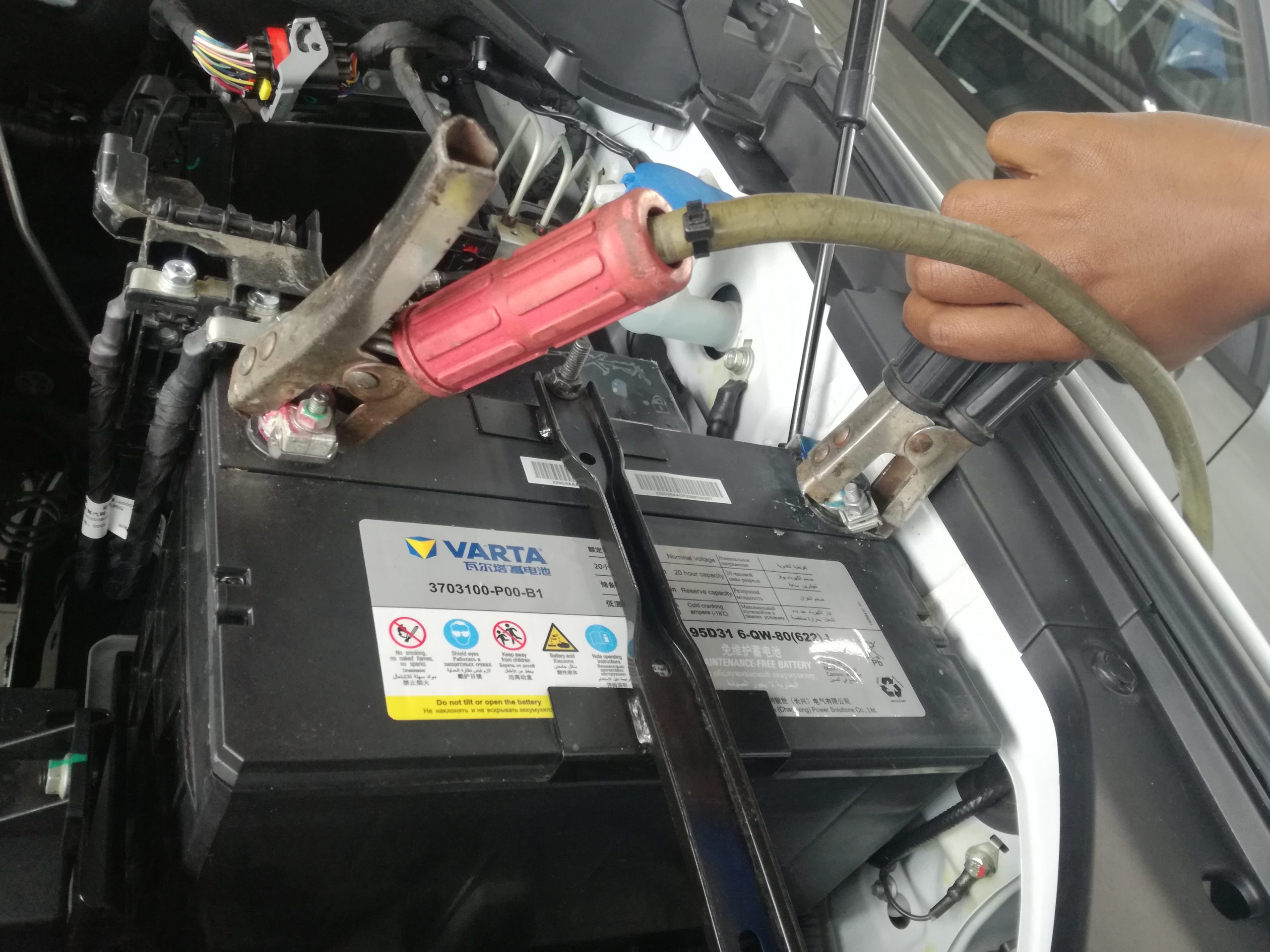
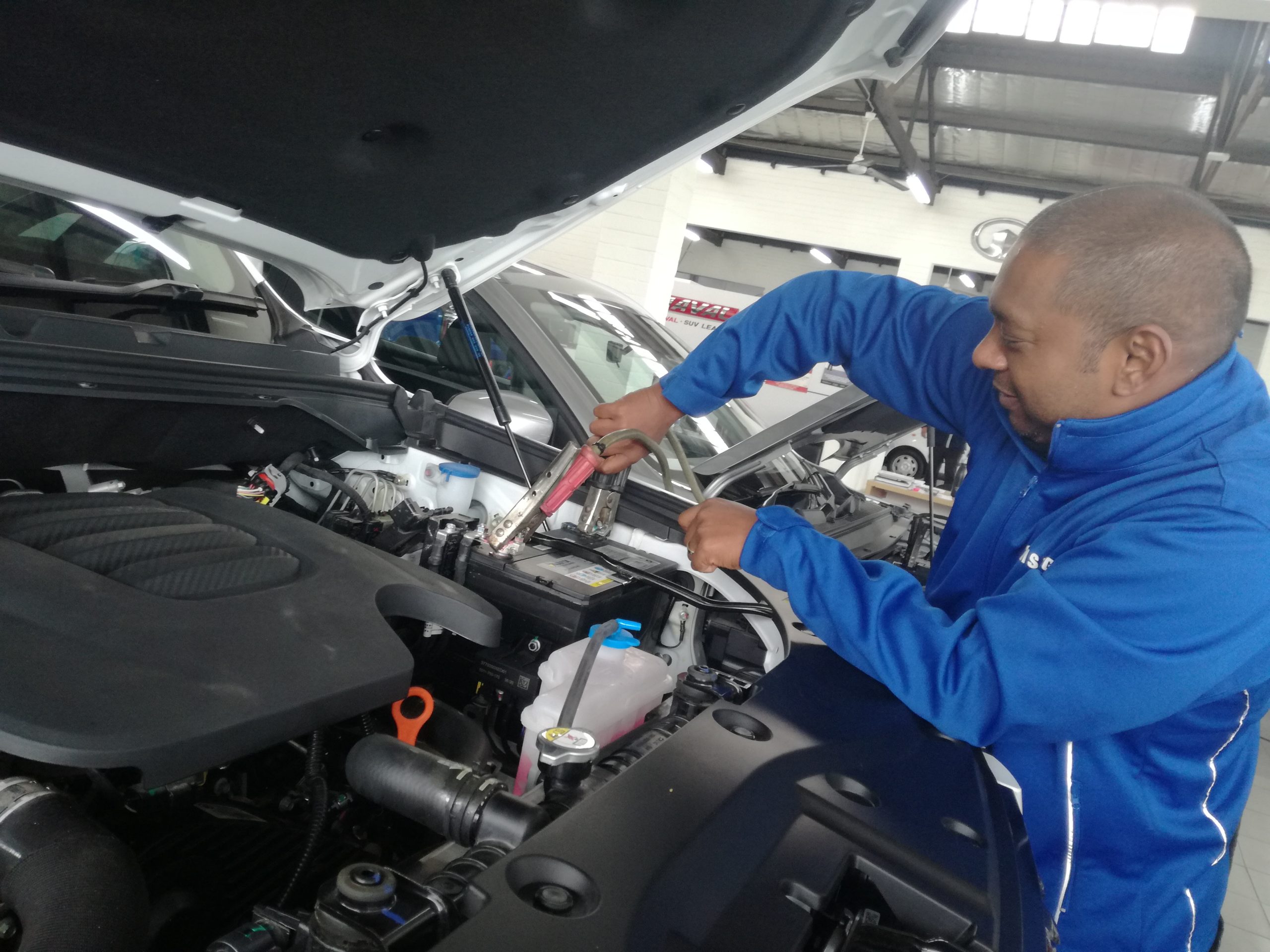
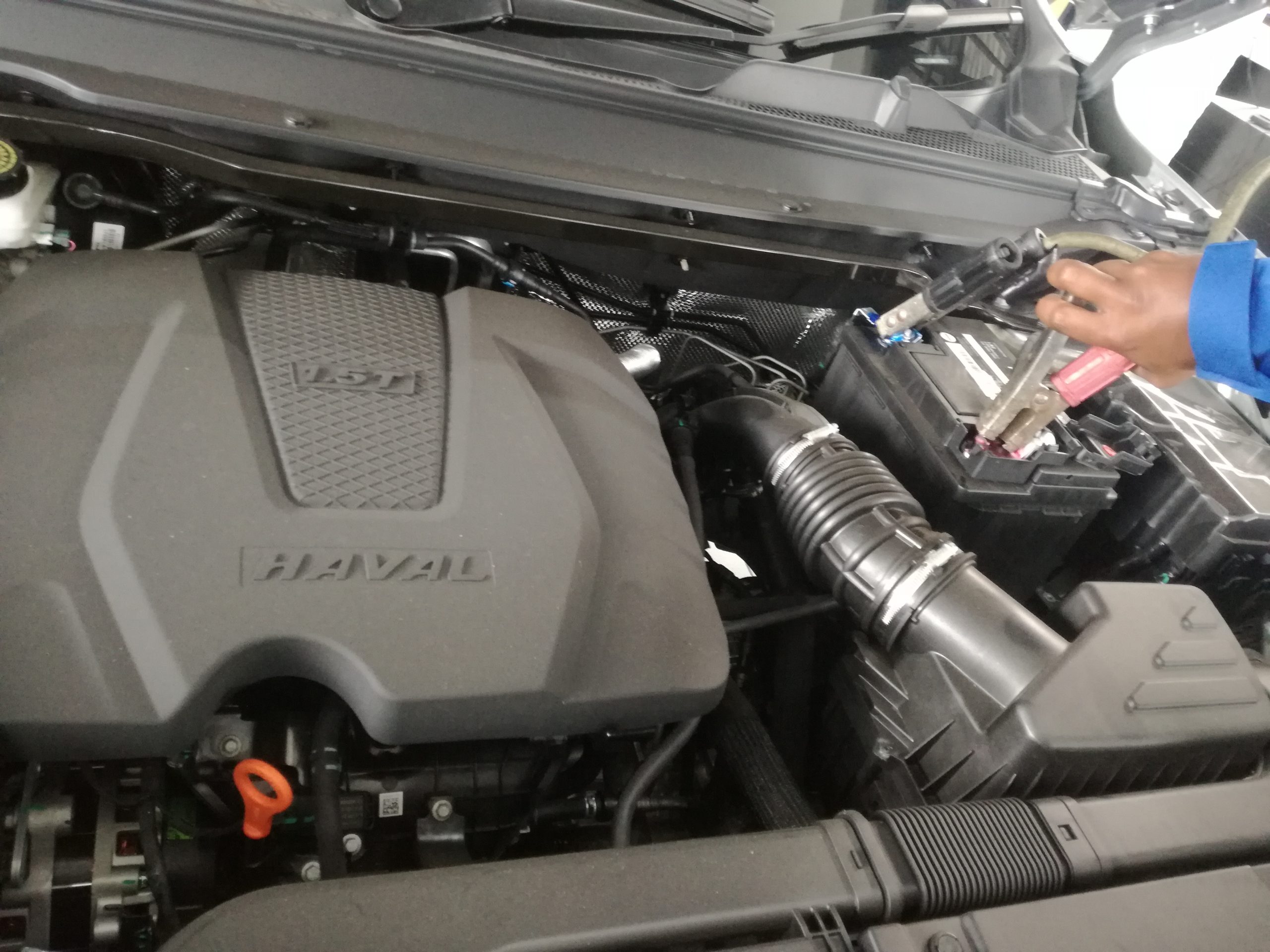
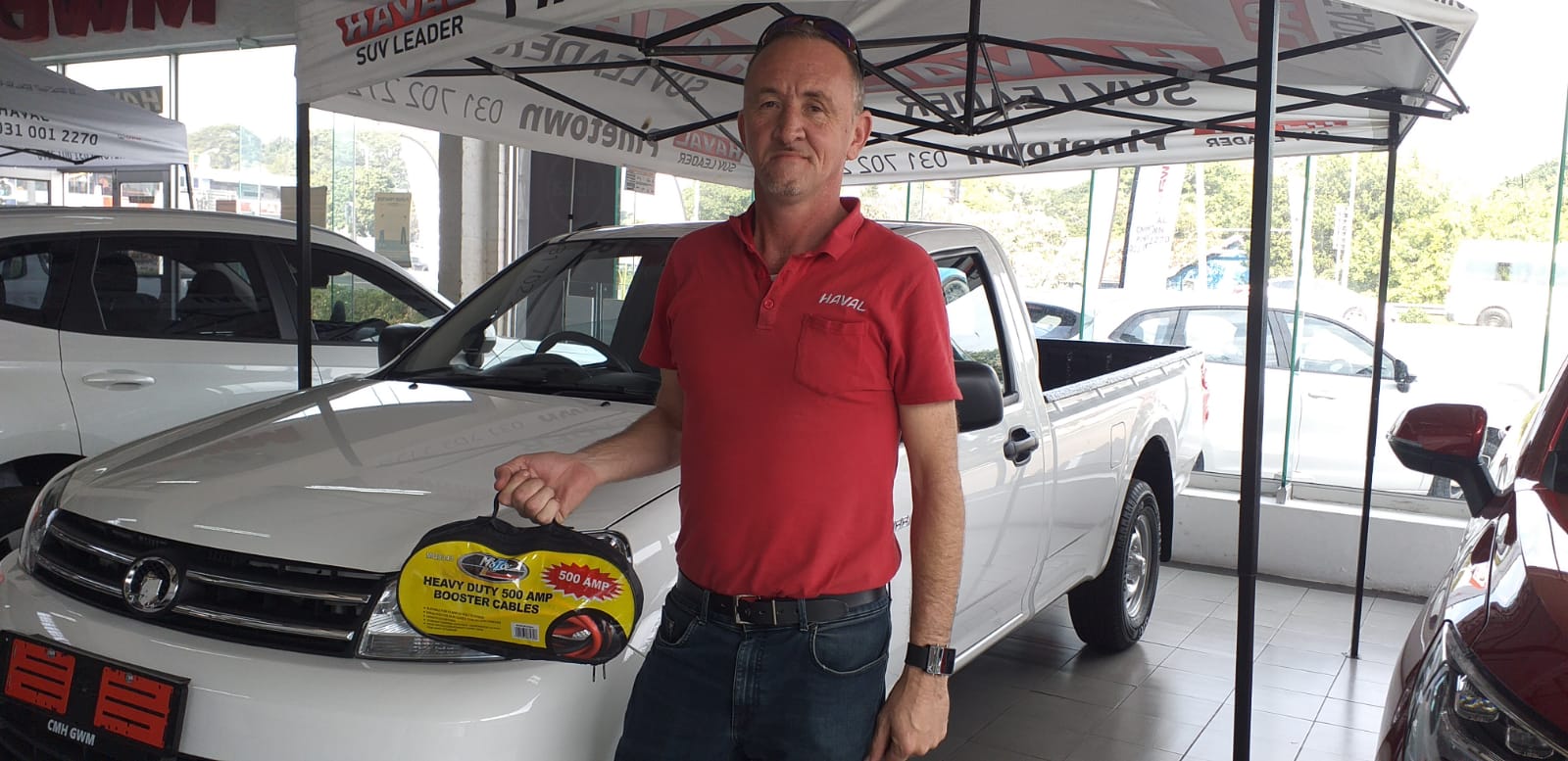 #Jumper Cables
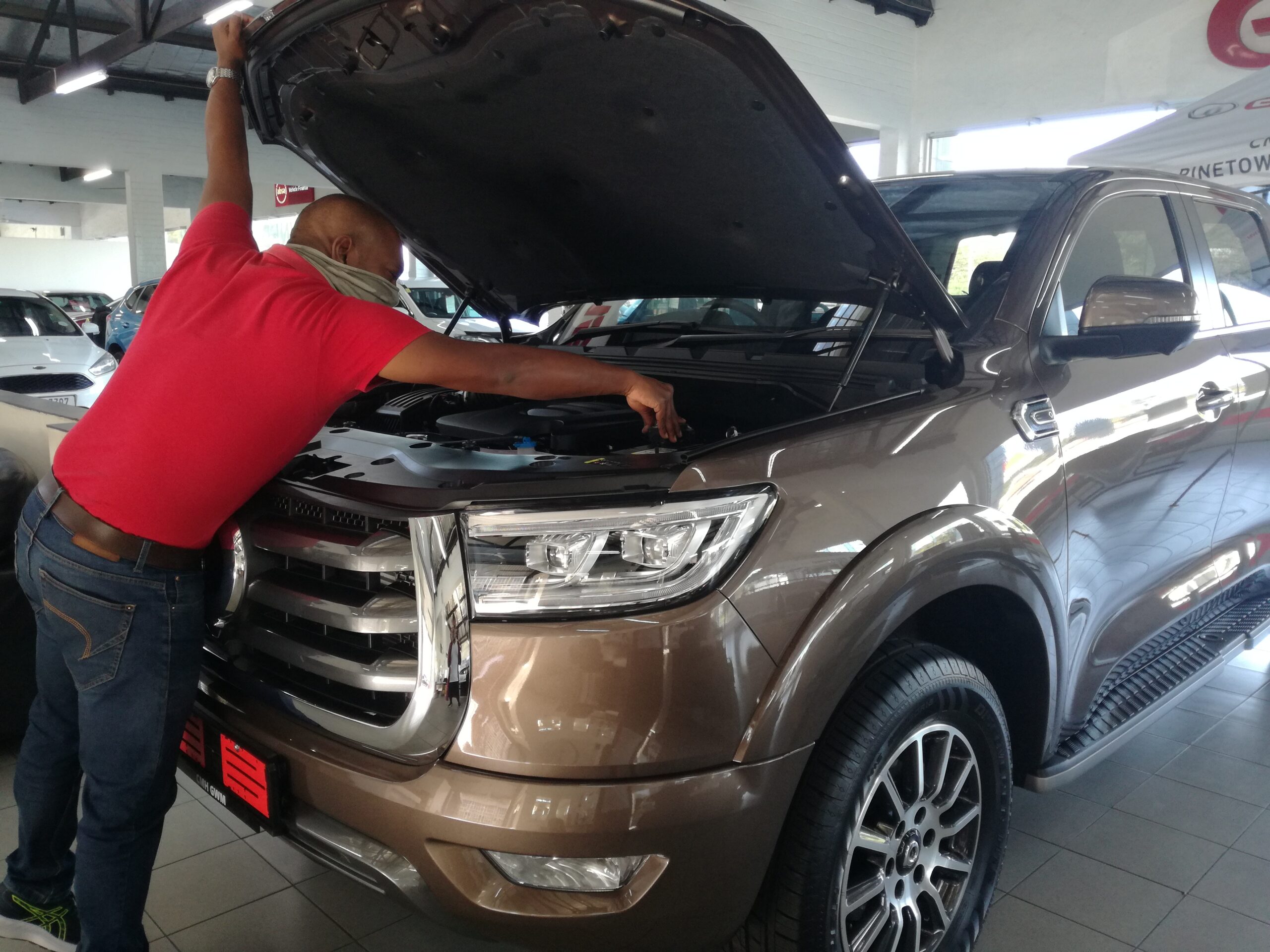
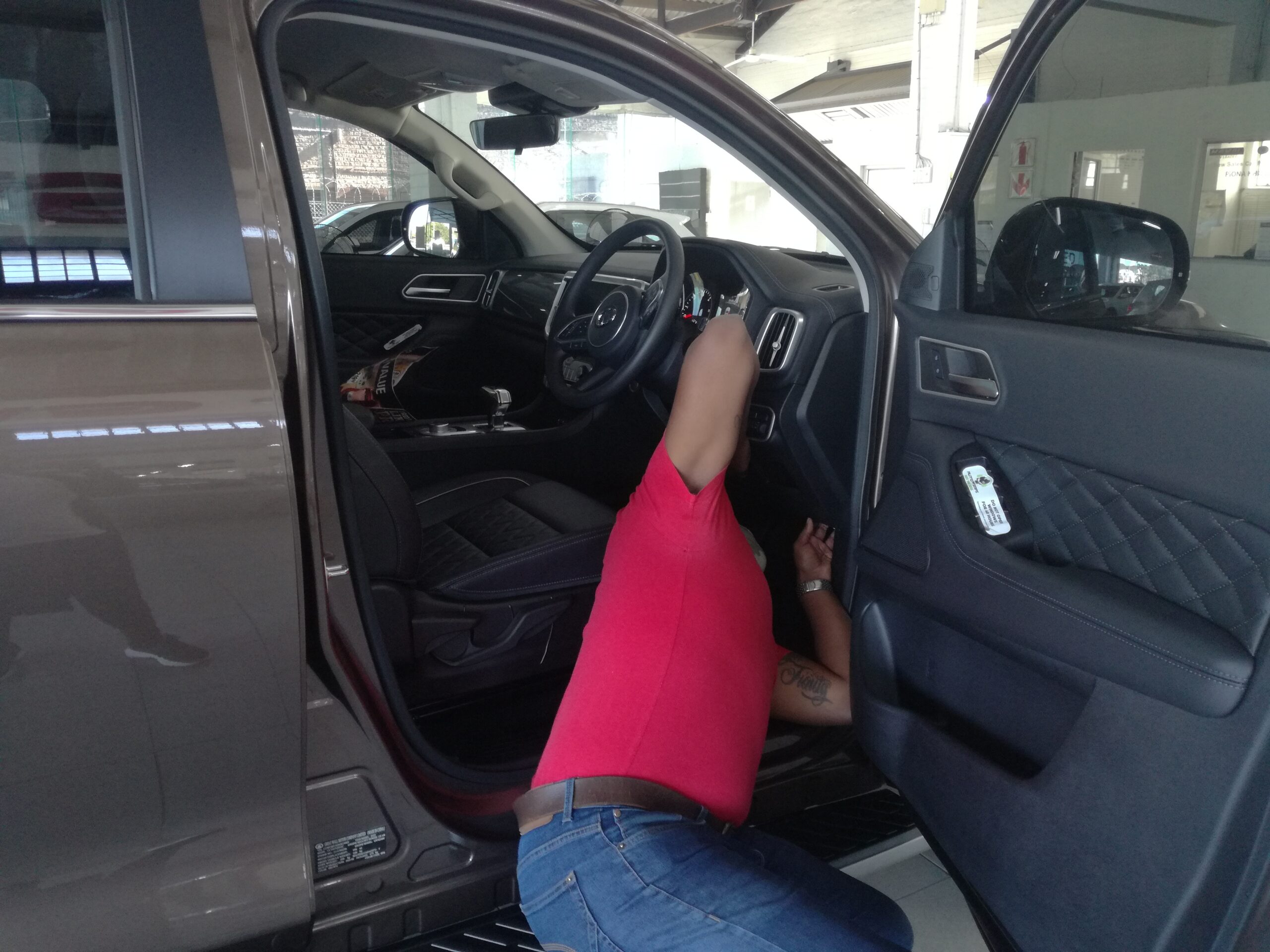
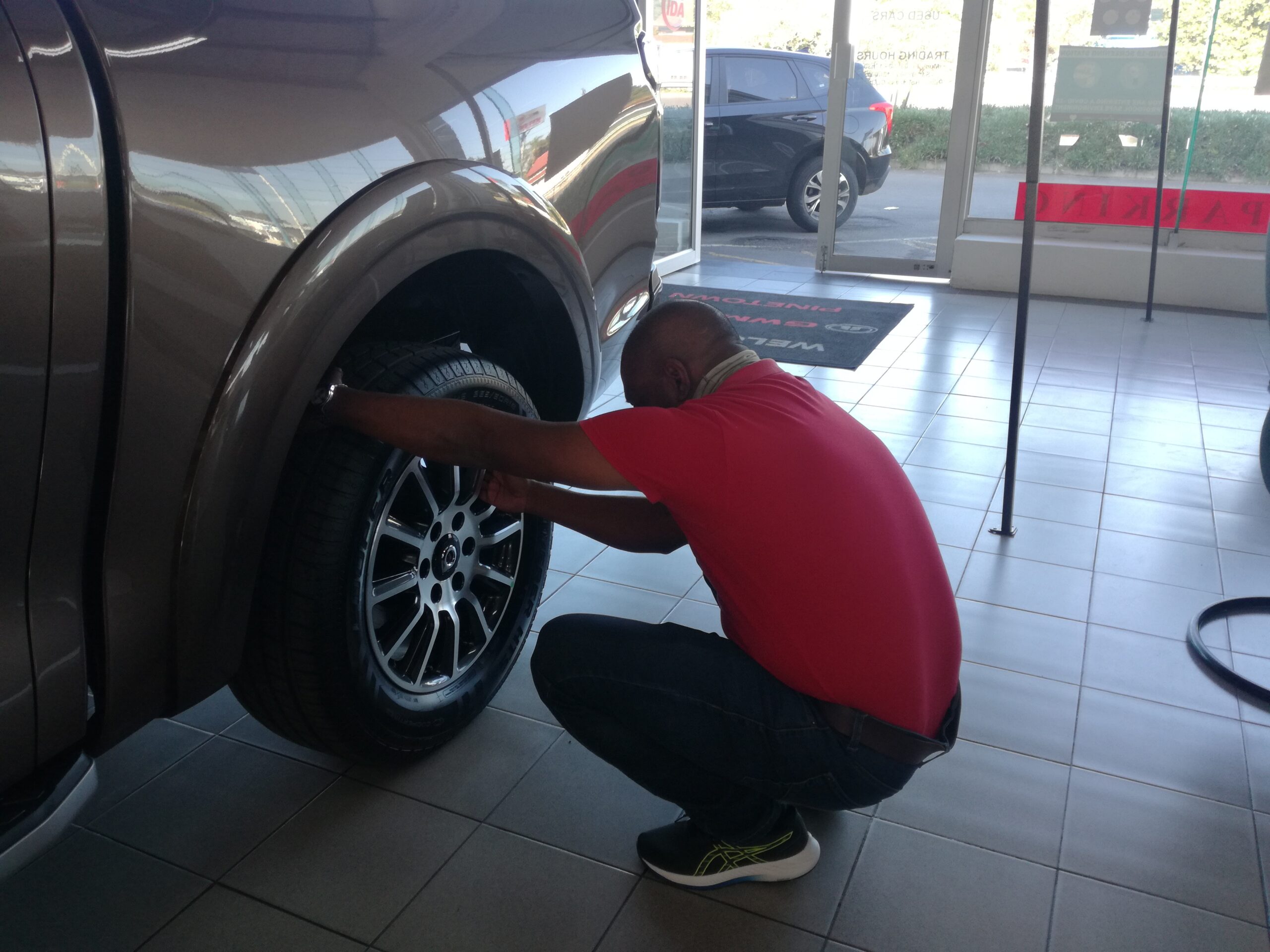

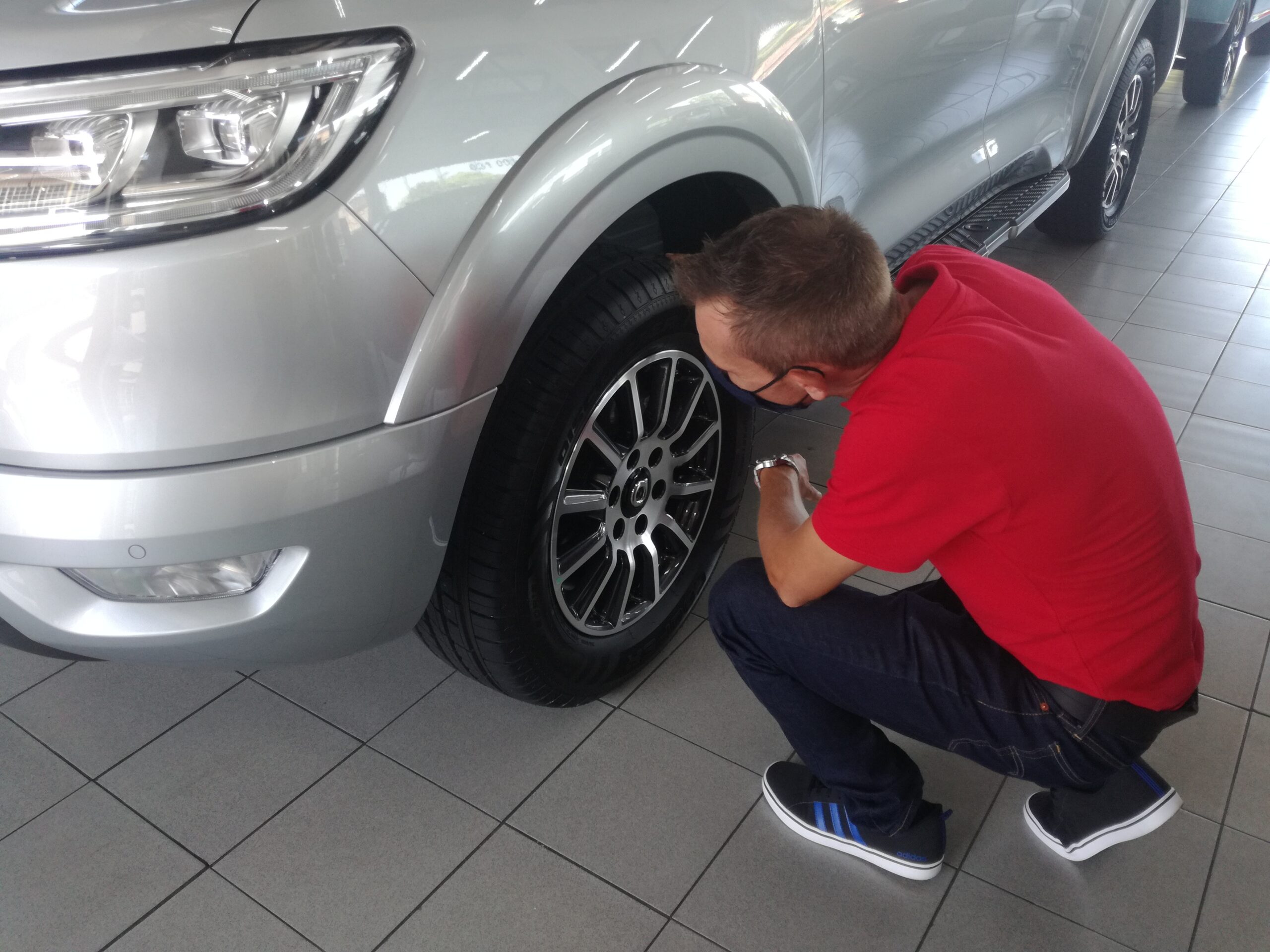
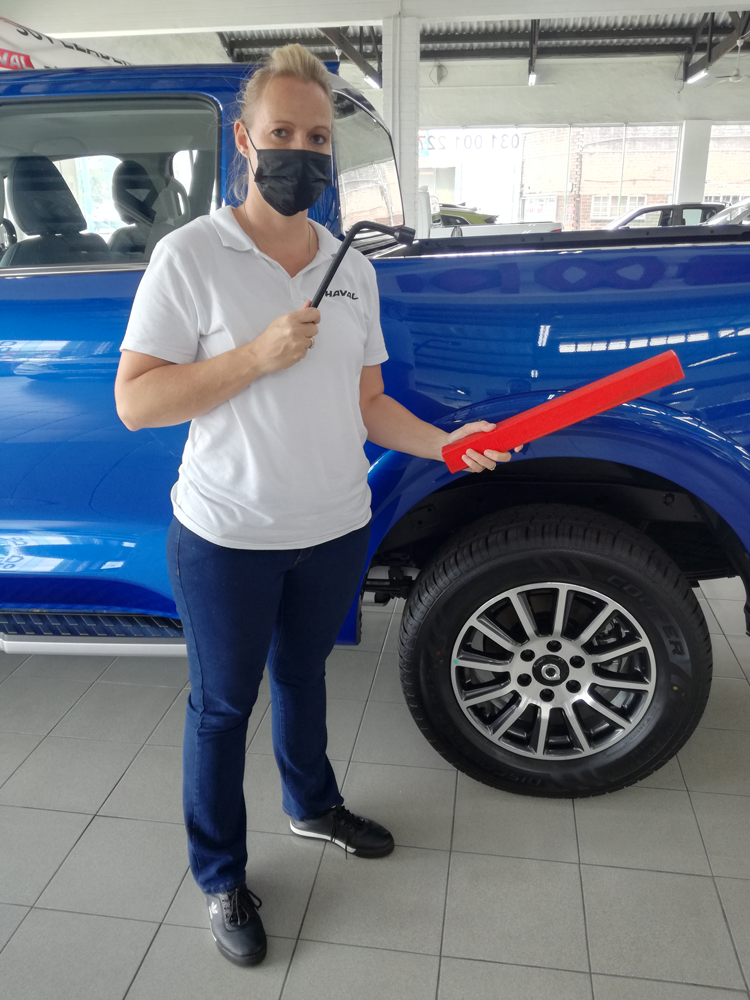
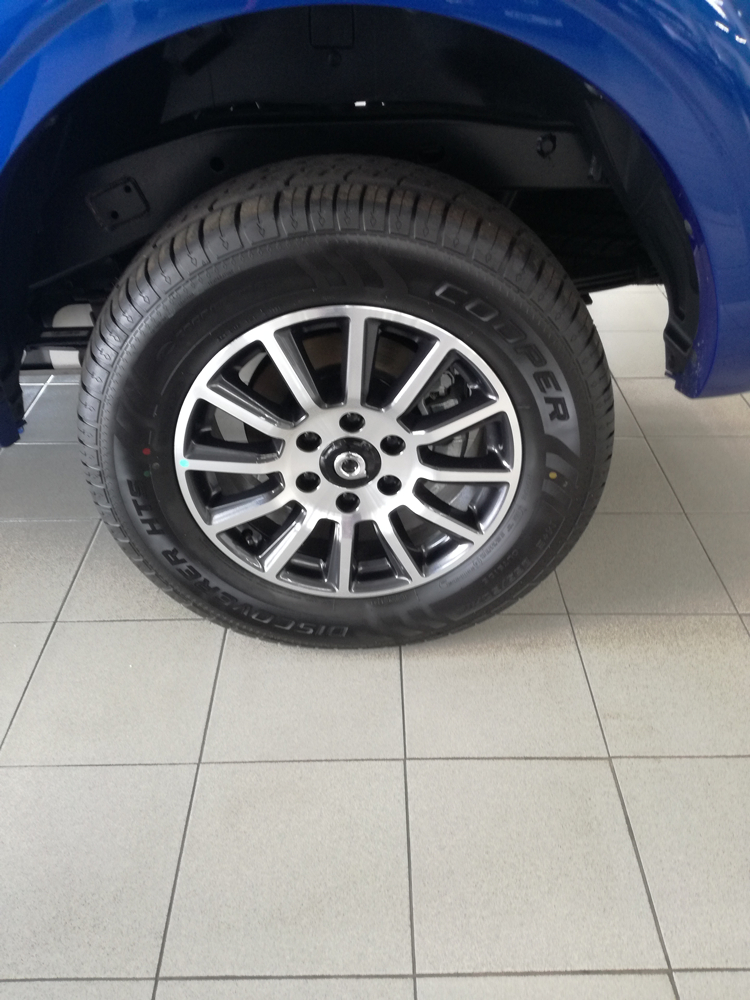
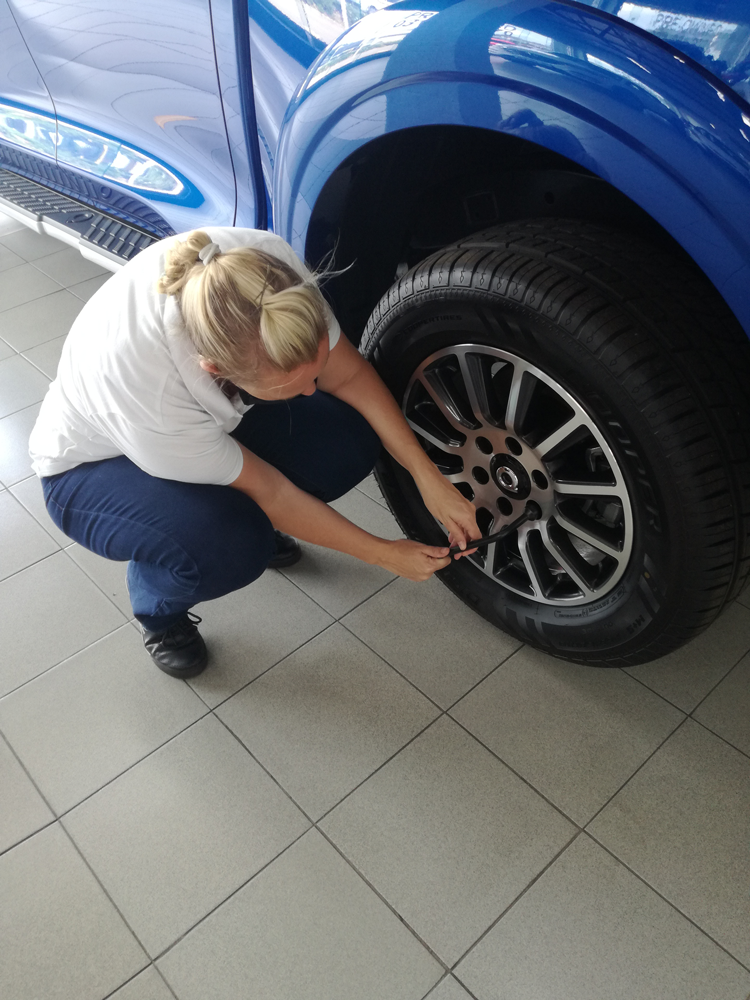 Turn the wheel wrench anti-clockwise and loosen the nuts to the point where they can be turned by hand (be warned – they may be tough to loosen).
However, don’t remove them completely yet.
4. Jack the car up
All cars have dedicated jacking points – consult your handbook to see where these are.
Aim to position the jack at the side of the car, close to the punctured wheel.
Placing a small plank of wood under the jack will help keep it stable.
Raise the car slowly until the flat tyre is 10-15cm off the ground.
5. Take out the flat tyre
Fully loosen and remove the wheel nuts, then gently pull the tyre towards you until it comes free.
Place it flat on the ground.
6. Mount the spare wheel
Slide the spare wheel onto the protruding hub bolts, or in line with the wheel nut slots (warning: it’s heavy to lift it off the ground to do this).
Replace the wheel nuts and tighten them by hand.
7. Lower the car and tighten the bolts
Use the jack to drop the car down slightly, so that the spare tyre is in contact with the ground.
Now use the wrench to fully tighten the wheel nuts.
8. Fully lower the car
Bring the car fully down to earth and remove the jack.
Consider giving the wheel nuts a final check for tightness.
Stow the jack and the other tyre in the boot, along with the rest of your equipment.
Note: if your car has a space saver, the old wheel will take up more space in the boot.
9. Check the spare tyre pressure
If you have one, use a tyre pressure gauge to check the spare wheel is fully inflated.
Alternatively, drive carefully to a petrol station and use the gauge there.
Pump up the tyre to the recommended pressure – as detailed in the handbook – if necessary.
10. Take your punctured tyre for repair
Visit a garage or tyre fitters at the first opportunity and give them your punctured wheel.
They will advise whether to repair or replace it.
Turn the wheel wrench anti-clockwise and loosen the nuts to the point where they can be turned by hand (be warned – they may be tough to loosen).
However, don’t remove them completely yet.
4. Jack the car up
All cars have dedicated jacking points – consult your handbook to see where these are.
Aim to position the jack at the side of the car, close to the punctured wheel.
Placing a small plank of wood under the jack will help keep it stable.
Raise the car slowly until the flat tyre is 10-15cm off the ground.
5. Take out the flat tyre
Fully loosen and remove the wheel nuts, then gently pull the tyre towards you until it comes free.
Place it flat on the ground.
6. Mount the spare wheel
Slide the spare wheel onto the protruding hub bolts, or in line with the wheel nut slots (warning: it’s heavy to lift it off the ground to do this).
Replace the wheel nuts and tighten them by hand.
7. Lower the car and tighten the bolts
Use the jack to drop the car down slightly, so that the spare tyre is in contact with the ground.
Now use the wrench to fully tighten the wheel nuts.
8. Fully lower the car
Bring the car fully down to earth and remove the jack.
Consider giving the wheel nuts a final check for tightness.
Stow the jack and the other tyre in the boot, along with the rest of your equipment.
Note: if your car has a space saver, the old wheel will take up more space in the boot.
9. Check the spare tyre pressure
If you have one, use a tyre pressure gauge to check the spare wheel is fully inflated.
Alternatively, drive carefully to a petrol station and use the gauge there.
Pump up the tyre to the recommended pressure – as detailed in the handbook – if necessary.
10. Take your punctured tyre for repair
Visit a garage or tyre fitters at the first opportunity and give them your punctured wheel.
They will advise whether to repair or replace it.
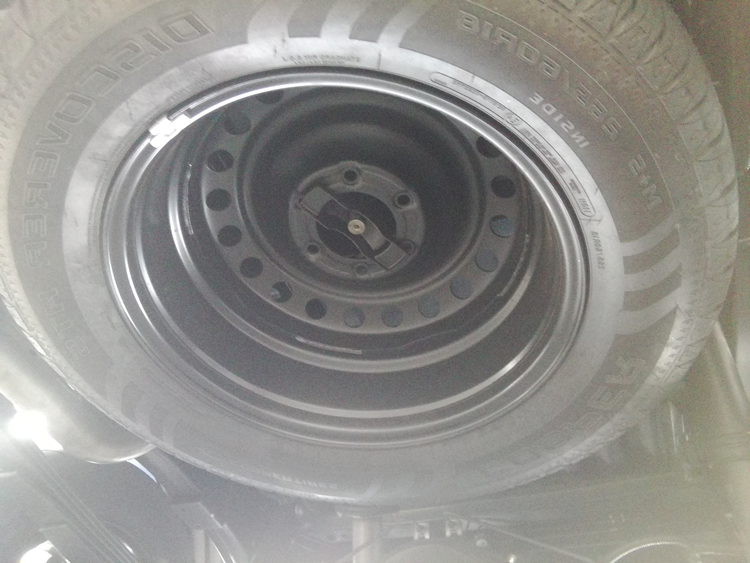 Don’t drive on a space-saver spare wheel for longer than is strictly necessary – they are only intended for emergencies.
Start blooming your journey with Haval …
Visit us at 📌167 Josiah Gumede Road, Pinetown
Or call us on ☎
Don’t drive on a space-saver spare wheel for longer than is strictly necessary – they are only intended for emergencies.
Start blooming your journey with Haval …
Visit us at 📌167 Josiah Gumede Road, Pinetown
Or call us on ☎