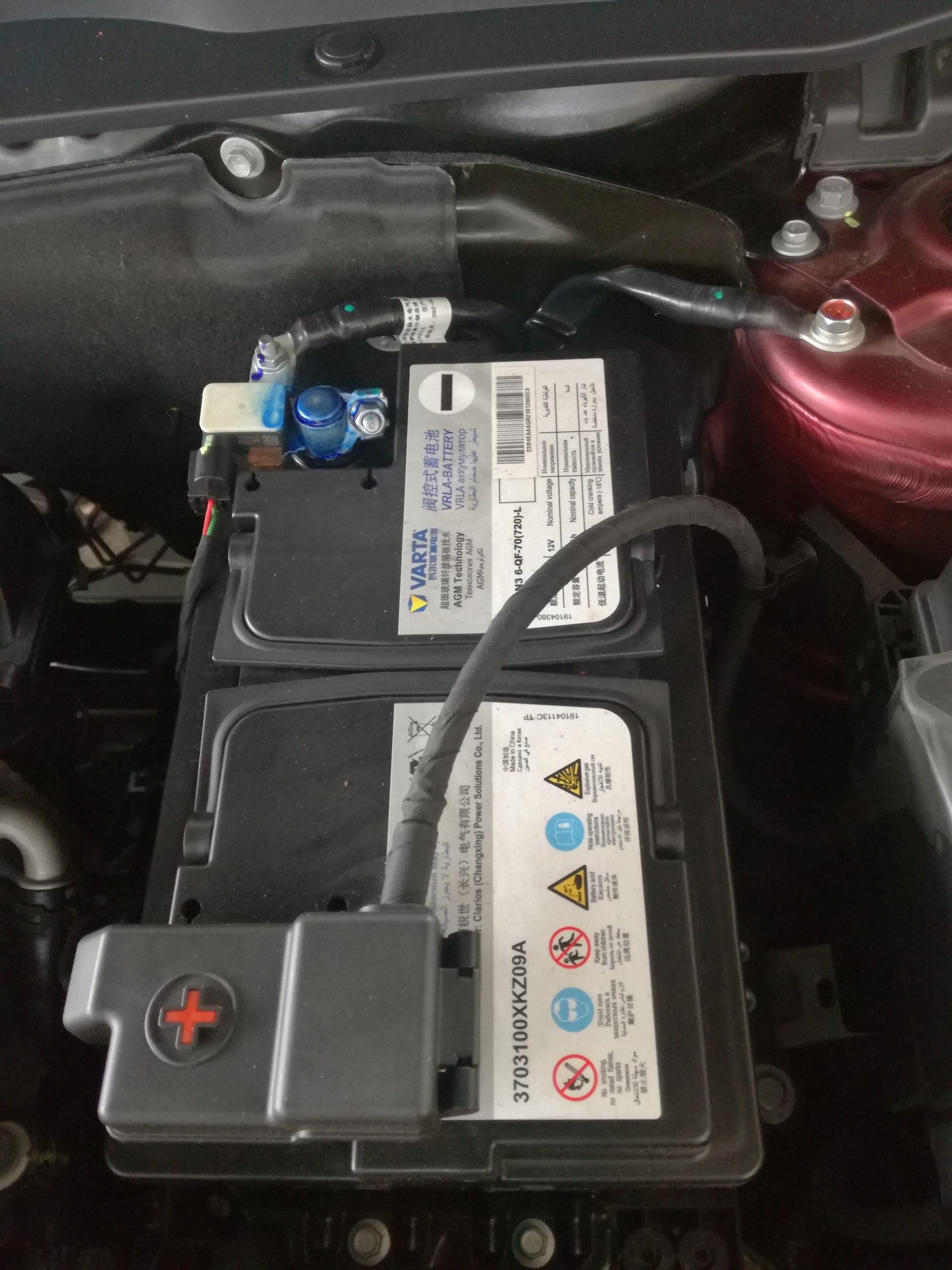
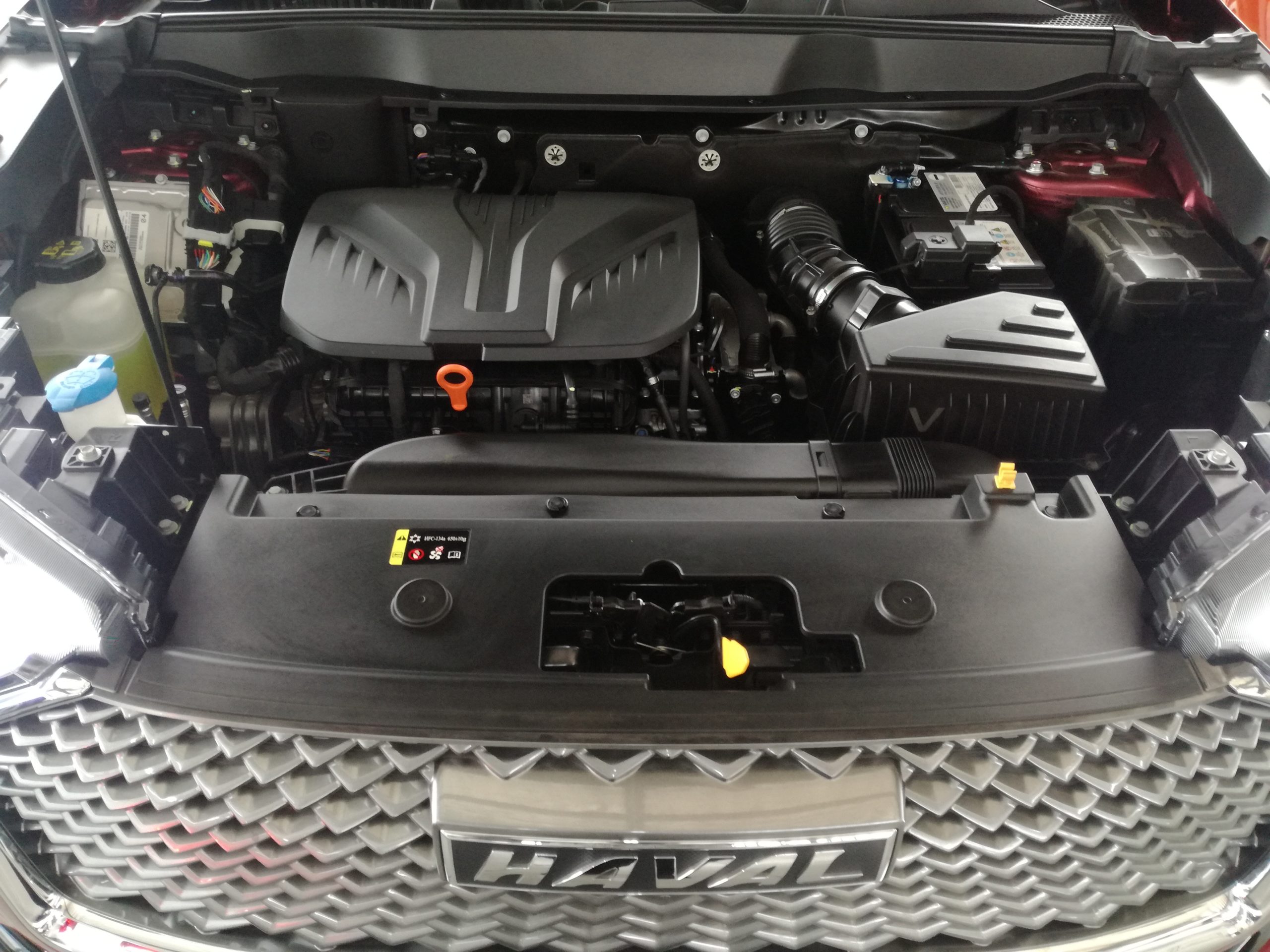
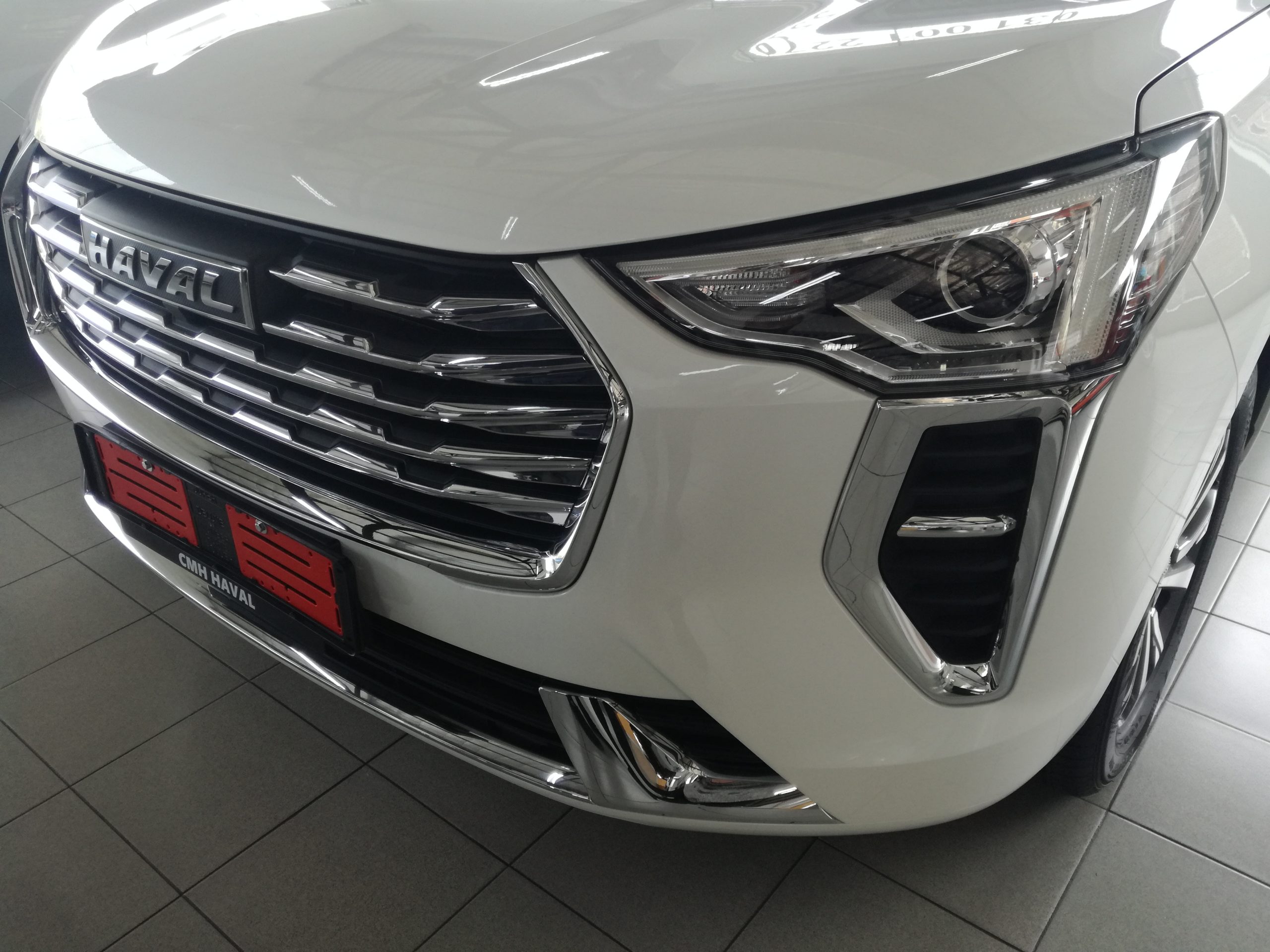
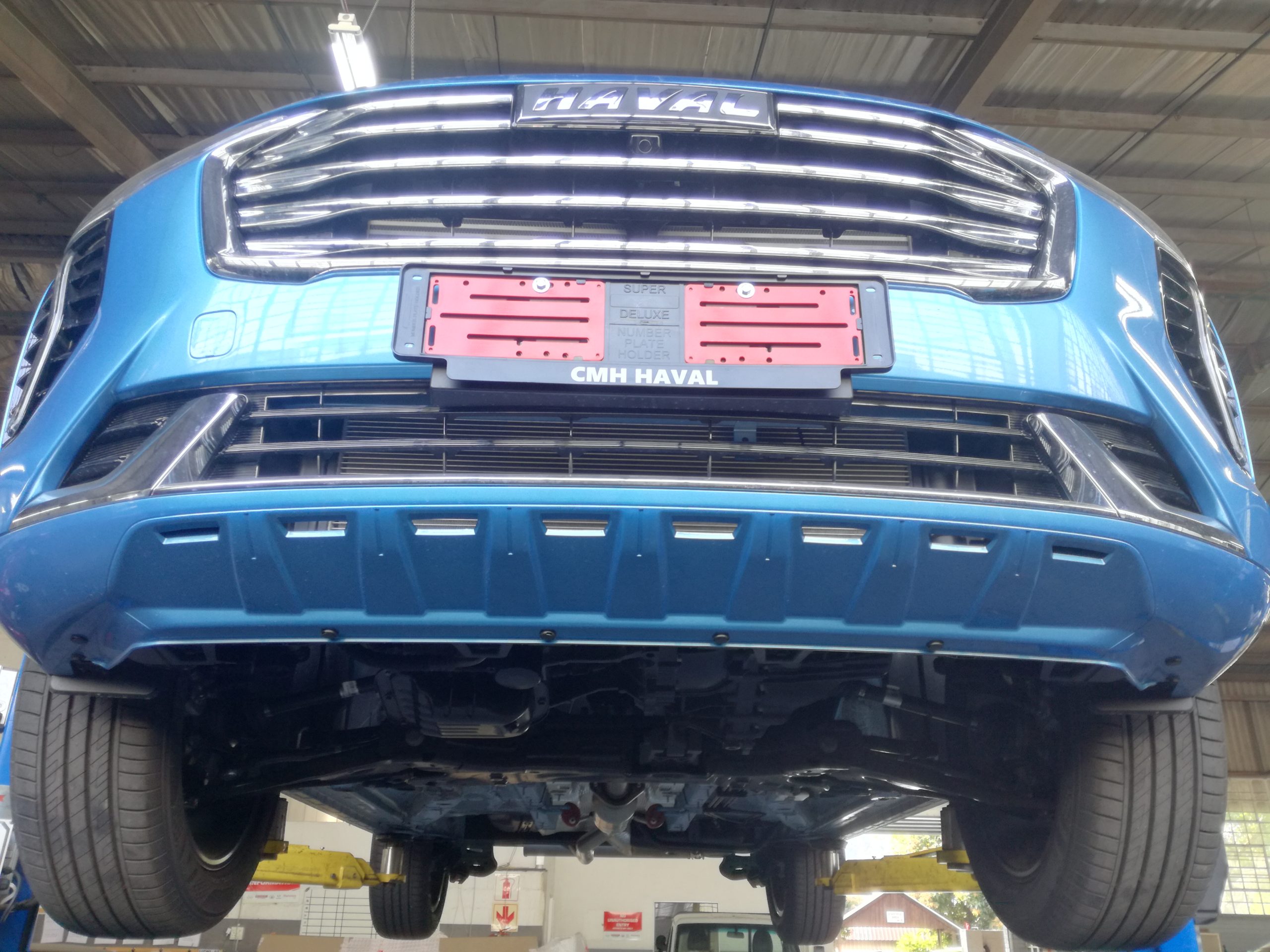
Haval Motors South Africa introduced a revised and upgraded version of the effervescent Steed range. The new generation GWM Steed will replace the current Steed 5, Steed 5e and Steed 6. Overall changes include specification upgrades, design changes, and improvements to engine power delivery. The vehicle remains on the same chassis as the current Steed.
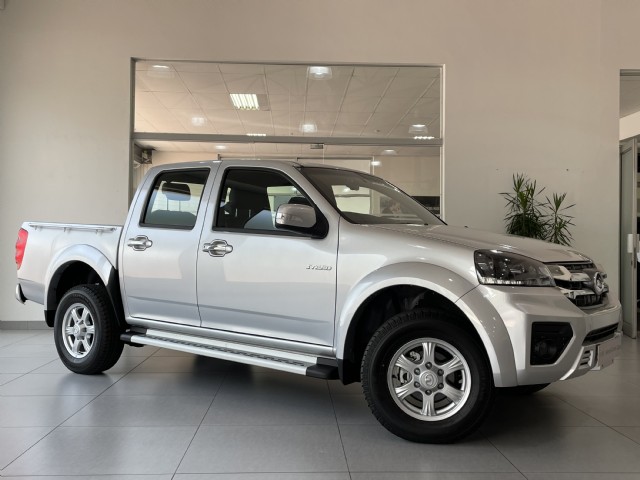
There will be two grades available: The “S” grade which is a workhorse level specification and the “SX” which is a mid-grade specification level.
 Both Single & Double Cab Facelifted Steed share the same Diesel Engine paired with a 6MT transmission. The diesel unit now produces a punchy 110kW and 320Nm compared to the previous mill which delivered 105kW and 305Nm. This increase of 5kW and 15Nm is also available earlier in the rev range @ 1400rpm.
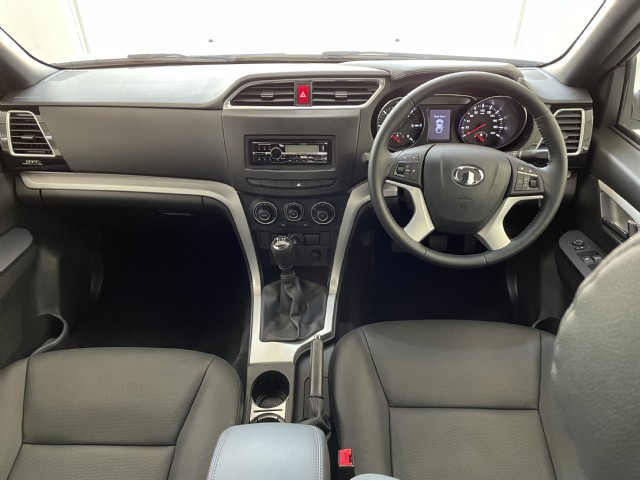
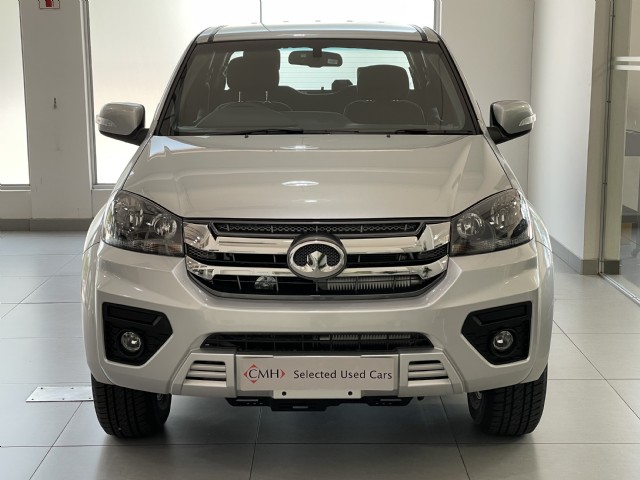
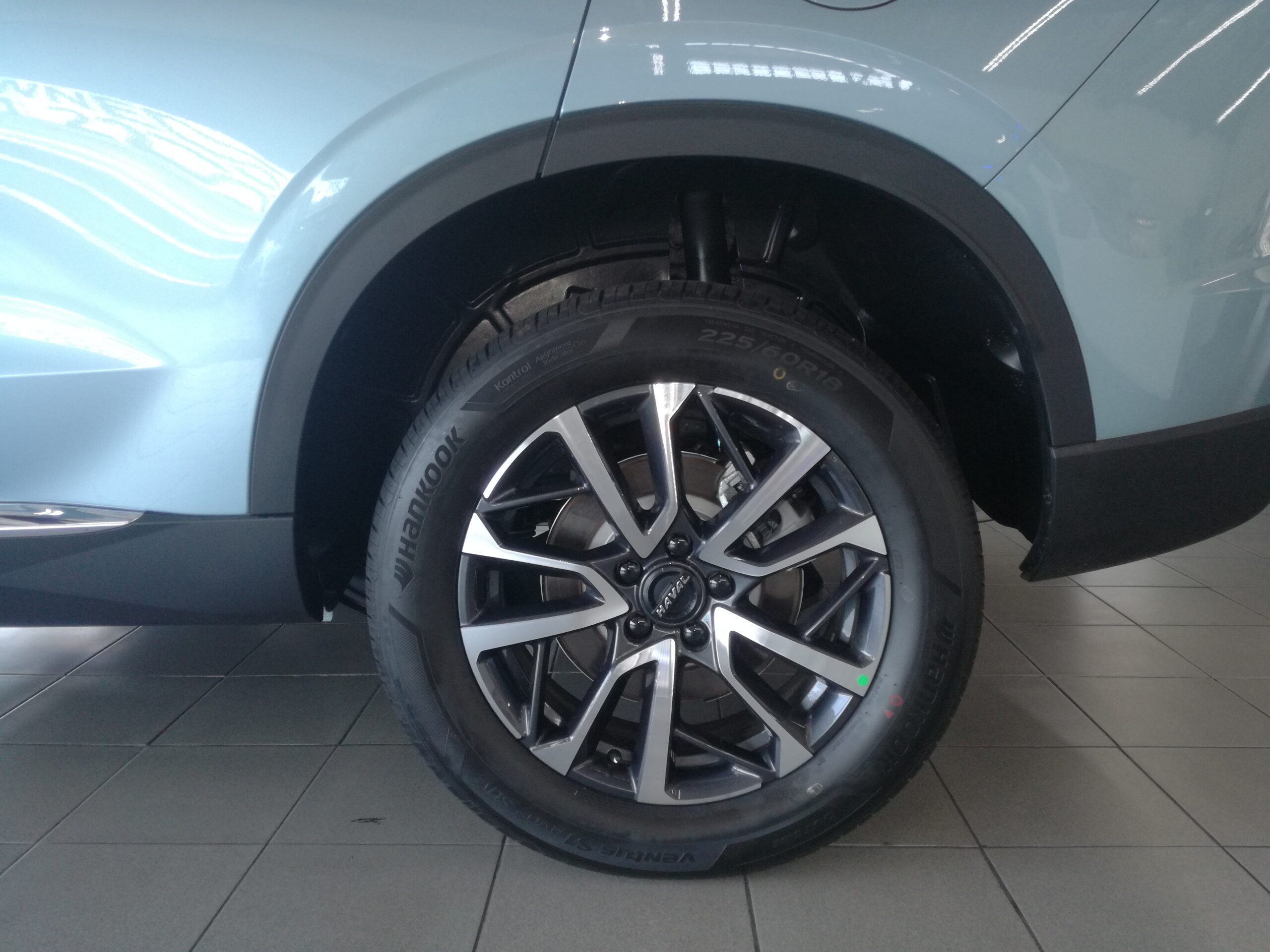
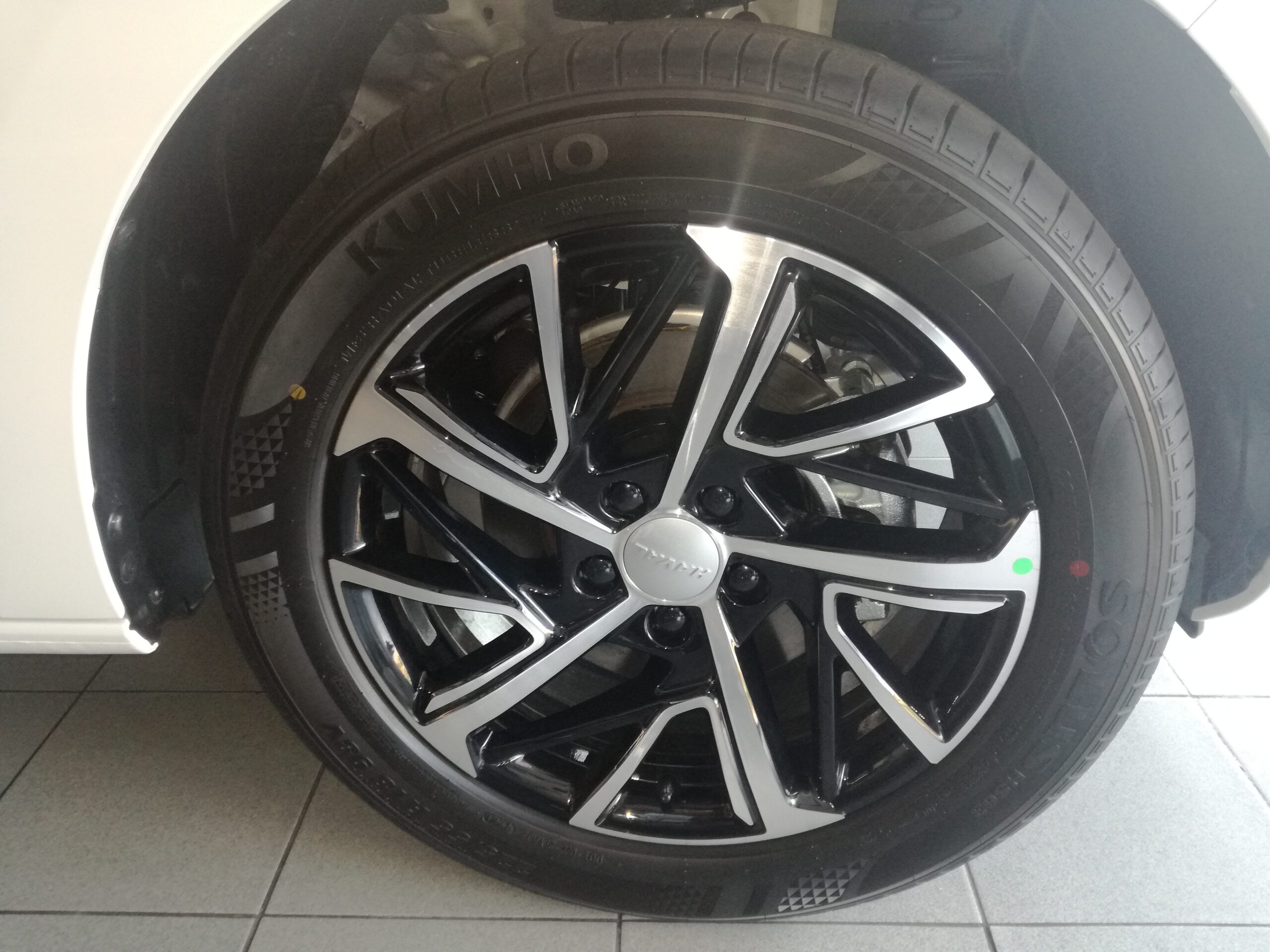
The updated Steed has a refreshed exterior with a revised front grille, bumper, and alloy wheels in 16inches across the full model line-up, and the interior features a black luxury trim change.
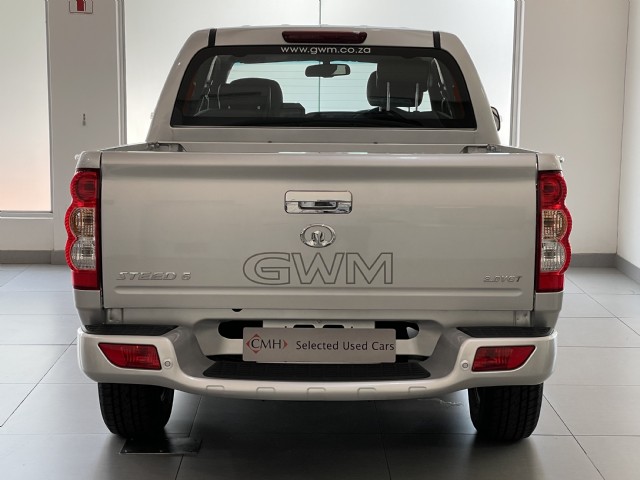
Most importantly, HMSA has addressed the concerns over safety and therefore the new generation Steeds now come with Dual Airbags and ABS as standard across the range. For further information on GWM’s versatile workhorse contact CMH GWM Cape Town on 021 001 1106. You can also visit us at the Corner of Nelson Mandela Boulevard & Christiaan Barnard Street, Foreshore, Cape Town to experience the unbeatable value this vehicle has to offer.
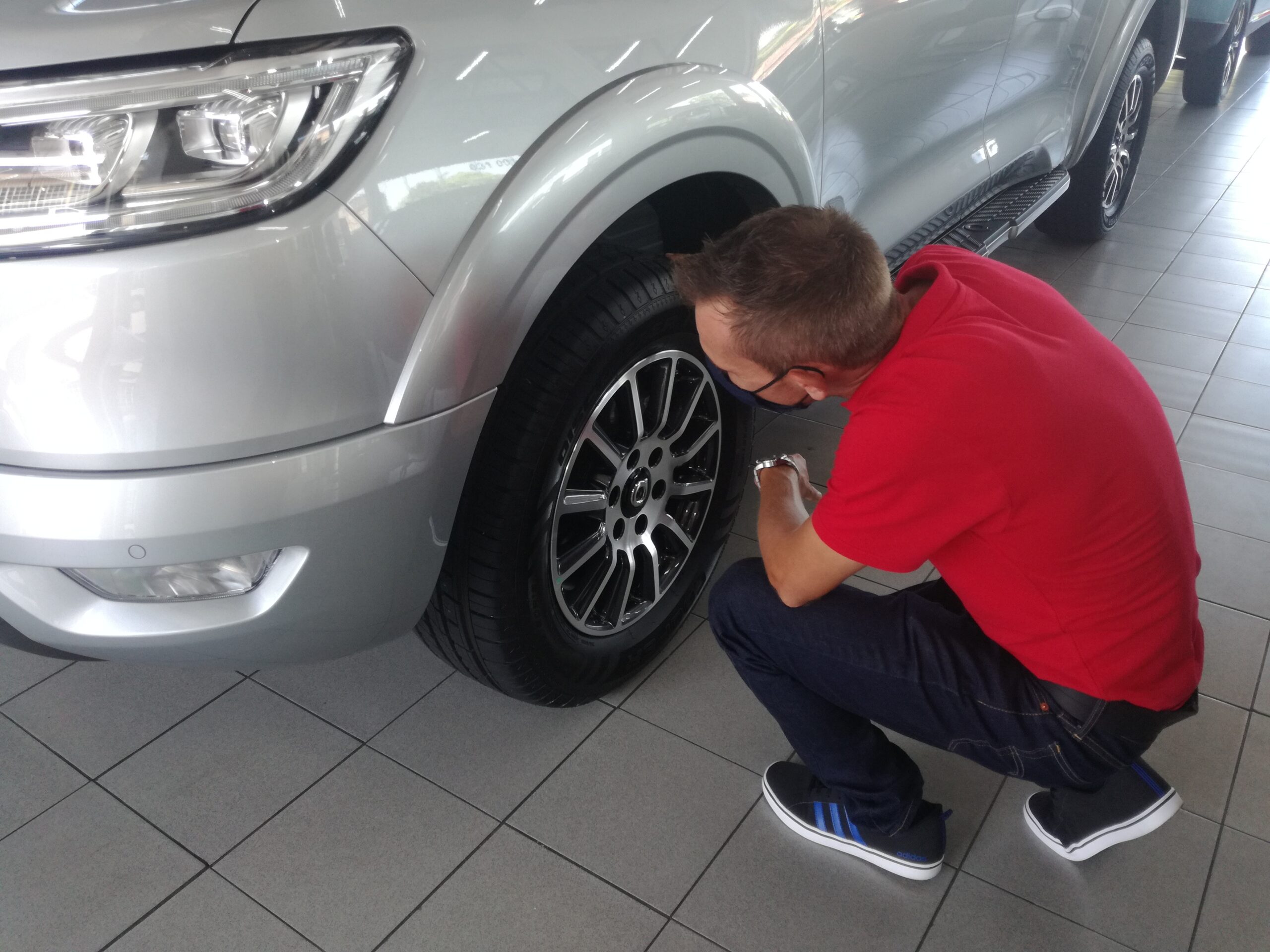
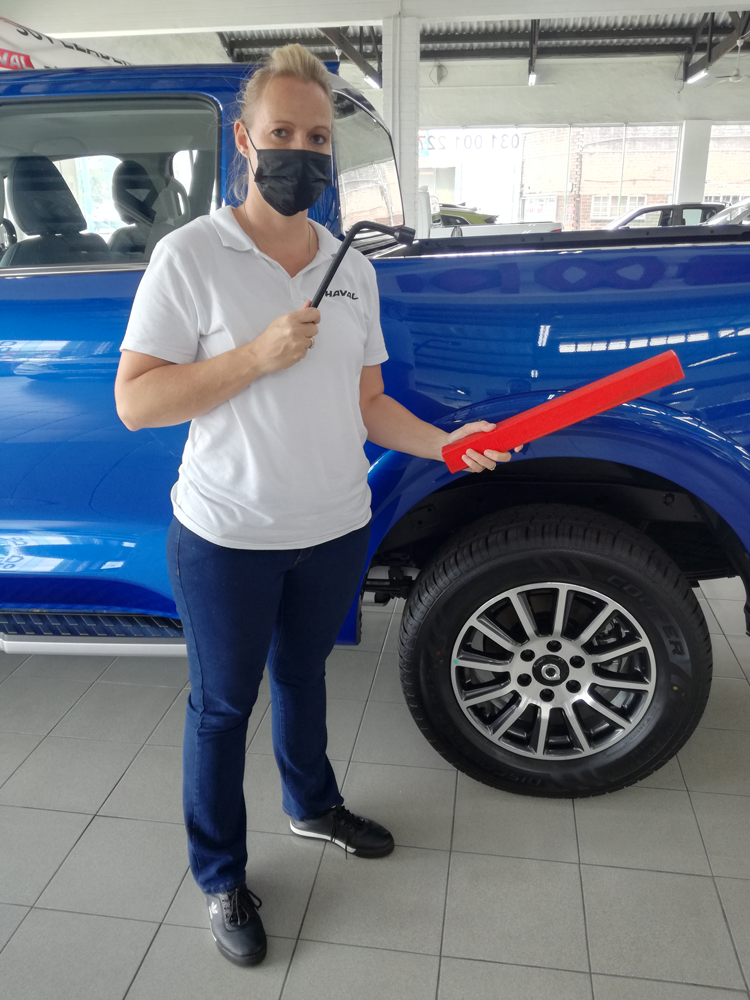
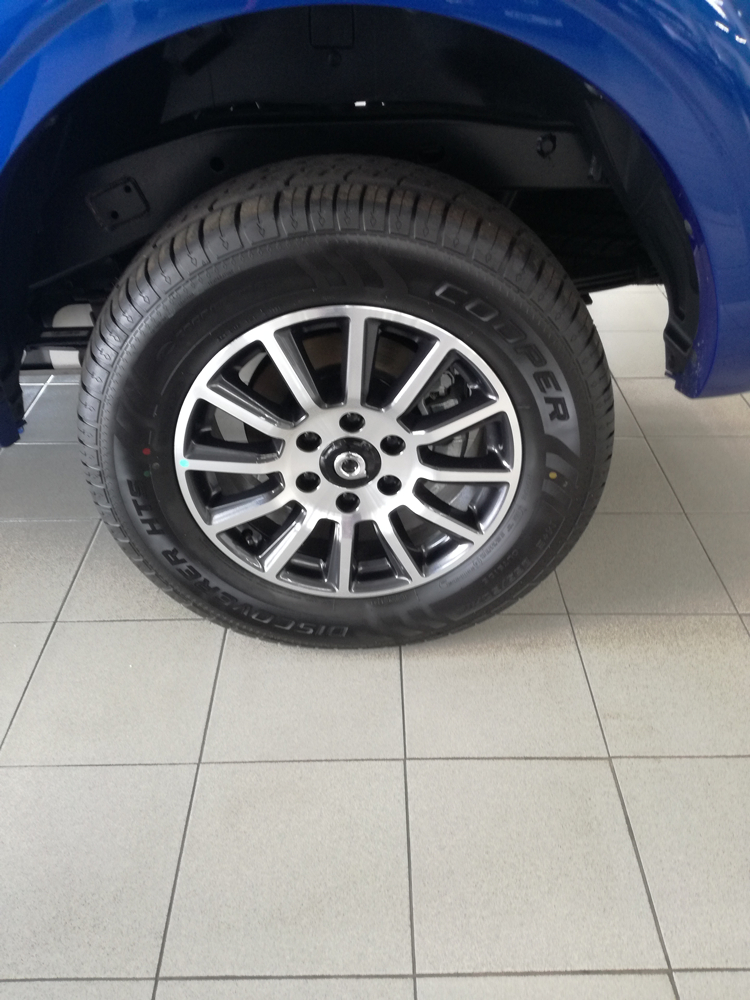
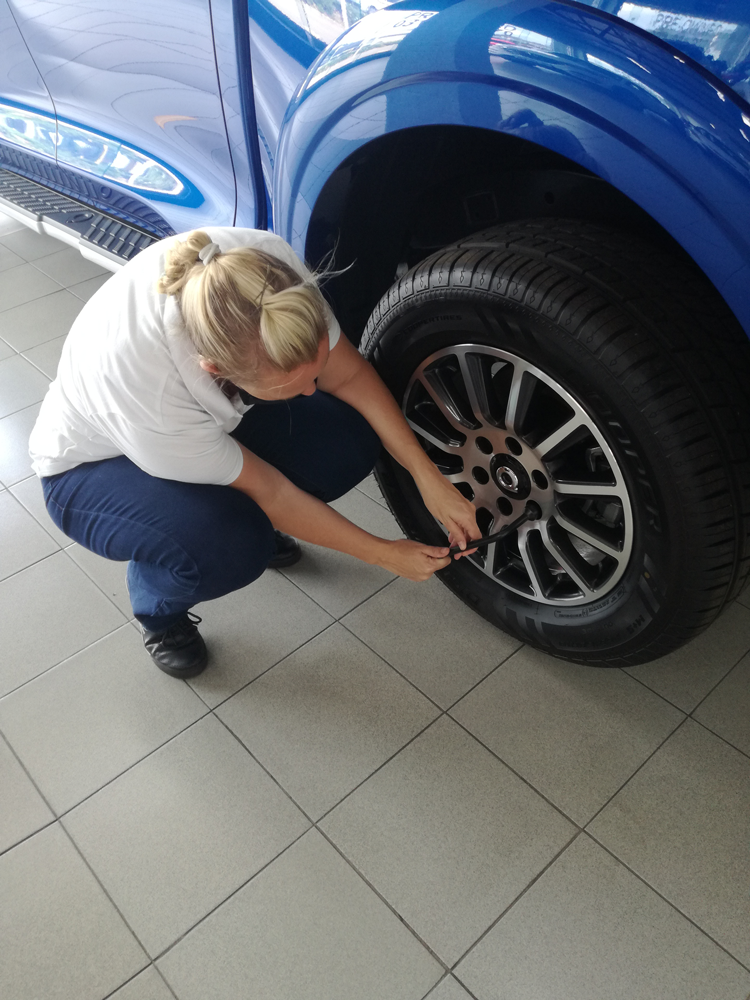 Turn the wheel wrench anti-clockwise and loosen the nuts to the point where they can be turned by hand (be warned – they may be tough to loosen).
However, don’t remove them completely yet.
4. Jack the car up
All cars have dedicated jacking points – consult your handbook to see where these are.
Aim to position the jack at the side of the car, close to the punctured wheel.
Placing a small plank of wood under the jack will help keep it stable.
Raise the car slowly until the flat tyre is 10-15cm off the ground.
5. Take out the flat tyre
Fully loosen and remove the wheel nuts, then gently pull the tyre towards you until it comes free.
Place it flat on the ground.
6. Mount the spare wheel
Slide the spare wheel onto the protruding hub bolts, or in line with the wheel nut slots (warning: it’s heavy to lift it off the ground to do this).
Replace the wheel nuts and tighten them by hand.
7. Lower the car and tighten the bolts
Use the jack to drop the car down slightly, so that the spare tyre is in contact with the ground.
Now use the wrench to fully tighten the wheel nuts.
8. Fully lower the car
Bring the car fully down to earth and remove the jack.
Consider giving the wheel nuts a final check for tightness.
Stow the jack and the other tyre in the boot, along with the rest of your equipment.
Note: if your car has a space saver, the old wheel will take up more space in the boot.
9. Check the spare tyre pressure
If you have one, use a tyre pressure gauge to check the spare wheel is fully inflated.
Alternatively, drive carefully to a petrol station and use the gauge there.
Pump up the tyre to the recommended pressure – as detailed in the handbook – if necessary.
10. Take your punctured tyre for repair
Visit a garage or tyre fitters at the first opportunity and give them your punctured wheel.
They will advise whether to repair or replace it.
Turn the wheel wrench anti-clockwise and loosen the nuts to the point where they can be turned by hand (be warned – they may be tough to loosen).
However, don’t remove them completely yet.
4. Jack the car up
All cars have dedicated jacking points – consult your handbook to see where these are.
Aim to position the jack at the side of the car, close to the punctured wheel.
Placing a small plank of wood under the jack will help keep it stable.
Raise the car slowly until the flat tyre is 10-15cm off the ground.
5. Take out the flat tyre
Fully loosen and remove the wheel nuts, then gently pull the tyre towards you until it comes free.
Place it flat on the ground.
6. Mount the spare wheel
Slide the spare wheel onto the protruding hub bolts, or in line with the wheel nut slots (warning: it’s heavy to lift it off the ground to do this).
Replace the wheel nuts and tighten them by hand.
7. Lower the car and tighten the bolts
Use the jack to drop the car down slightly, so that the spare tyre is in contact with the ground.
Now use the wrench to fully tighten the wheel nuts.
8. Fully lower the car
Bring the car fully down to earth and remove the jack.
Consider giving the wheel nuts a final check for tightness.
Stow the jack and the other tyre in the boot, along with the rest of your equipment.
Note: if your car has a space saver, the old wheel will take up more space in the boot.
9. Check the spare tyre pressure
If you have one, use a tyre pressure gauge to check the spare wheel is fully inflated.
Alternatively, drive carefully to a petrol station and use the gauge there.
Pump up the tyre to the recommended pressure – as detailed in the handbook – if necessary.
10. Take your punctured tyre for repair
Visit a garage or tyre fitters at the first opportunity and give them your punctured wheel.
They will advise whether to repair or replace it.
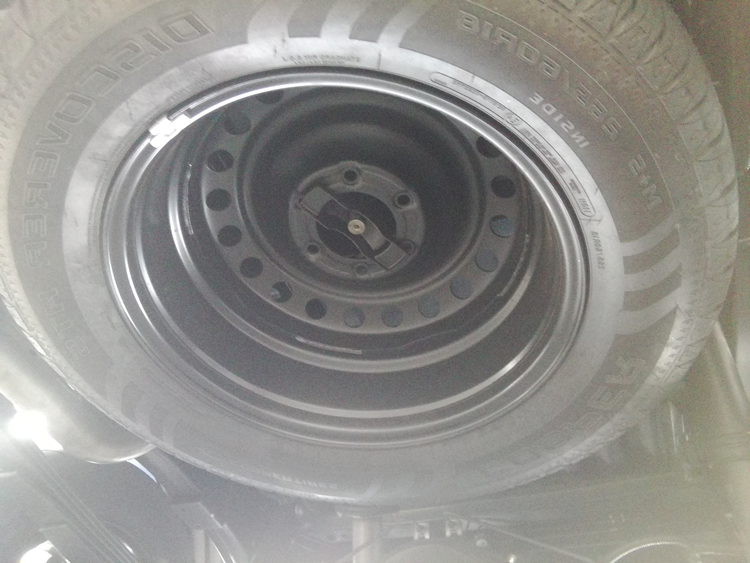 Don’t drive on a space-saver spare wheel for longer than is strictly necessary – they are only intended for emergencies.
Start blooming your journey with Haval …
Visit us at 📌167 Josiah Gumede Road, Pinetown
Or call us on ☎
Don’t drive on a space-saver spare wheel for longer than is strictly necessary – they are only intended for emergencies.
Start blooming your journey with Haval …
Visit us at 📌167 Josiah Gumede Road, Pinetown
Or call us on ☎ 

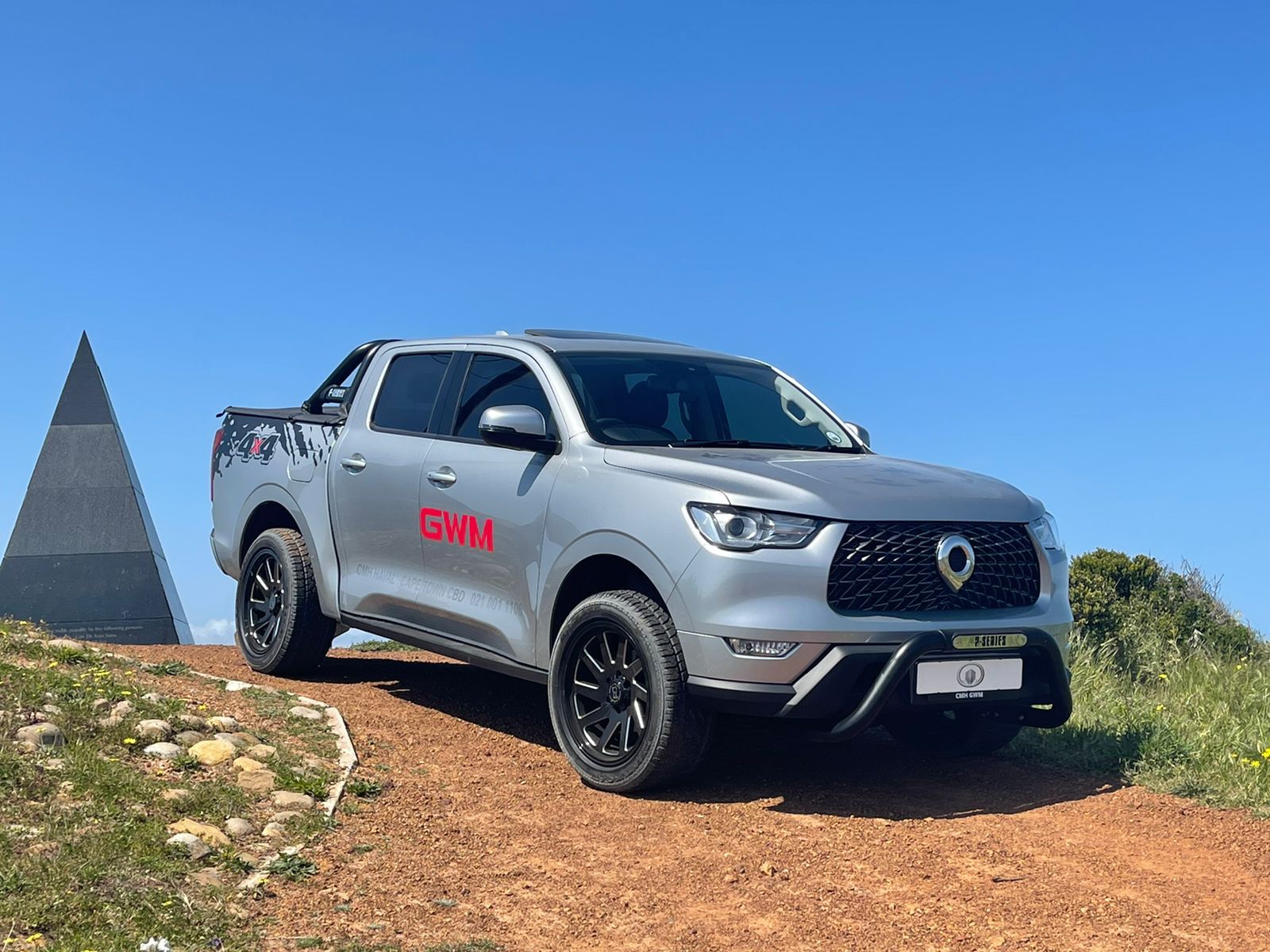
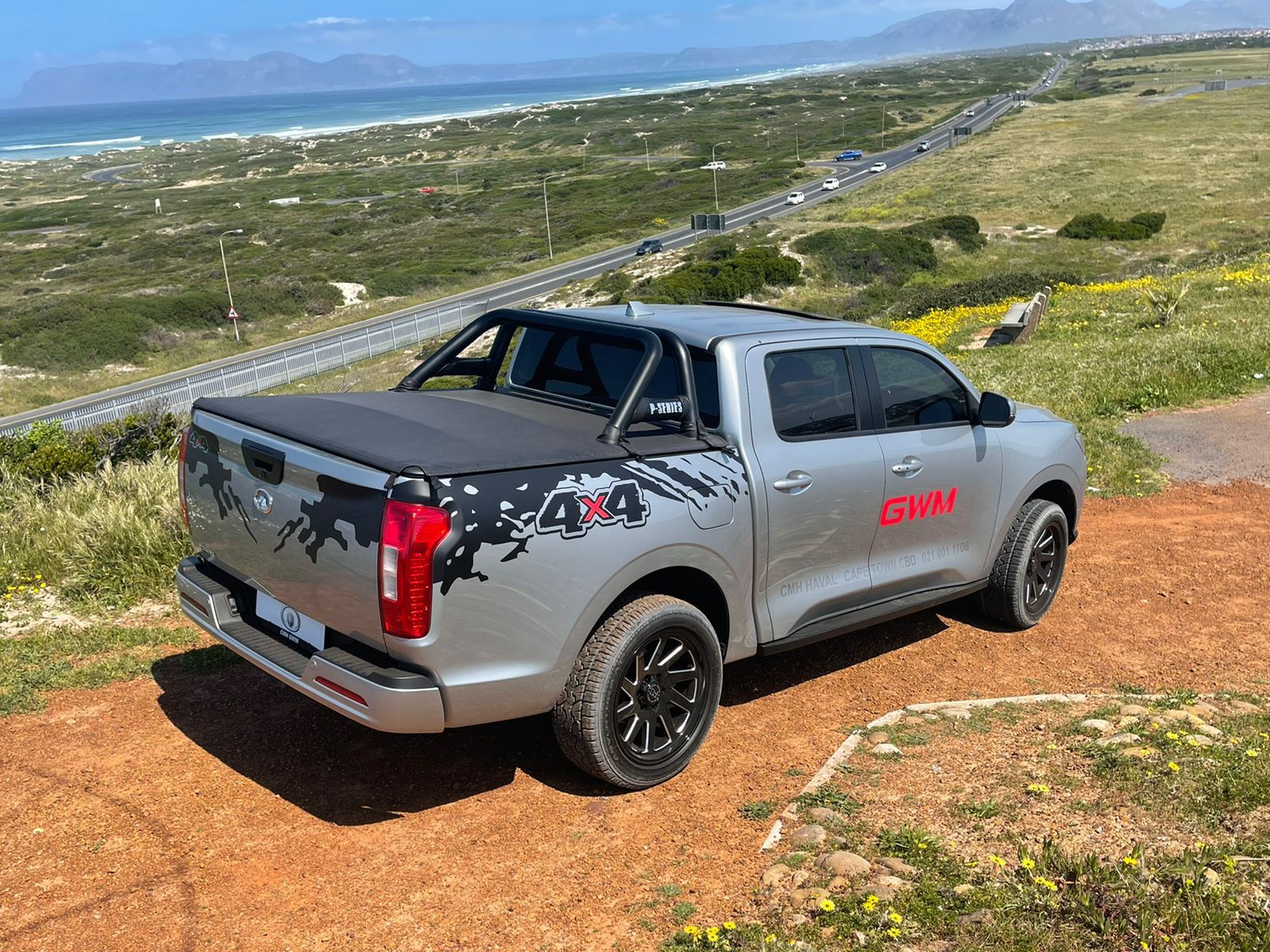
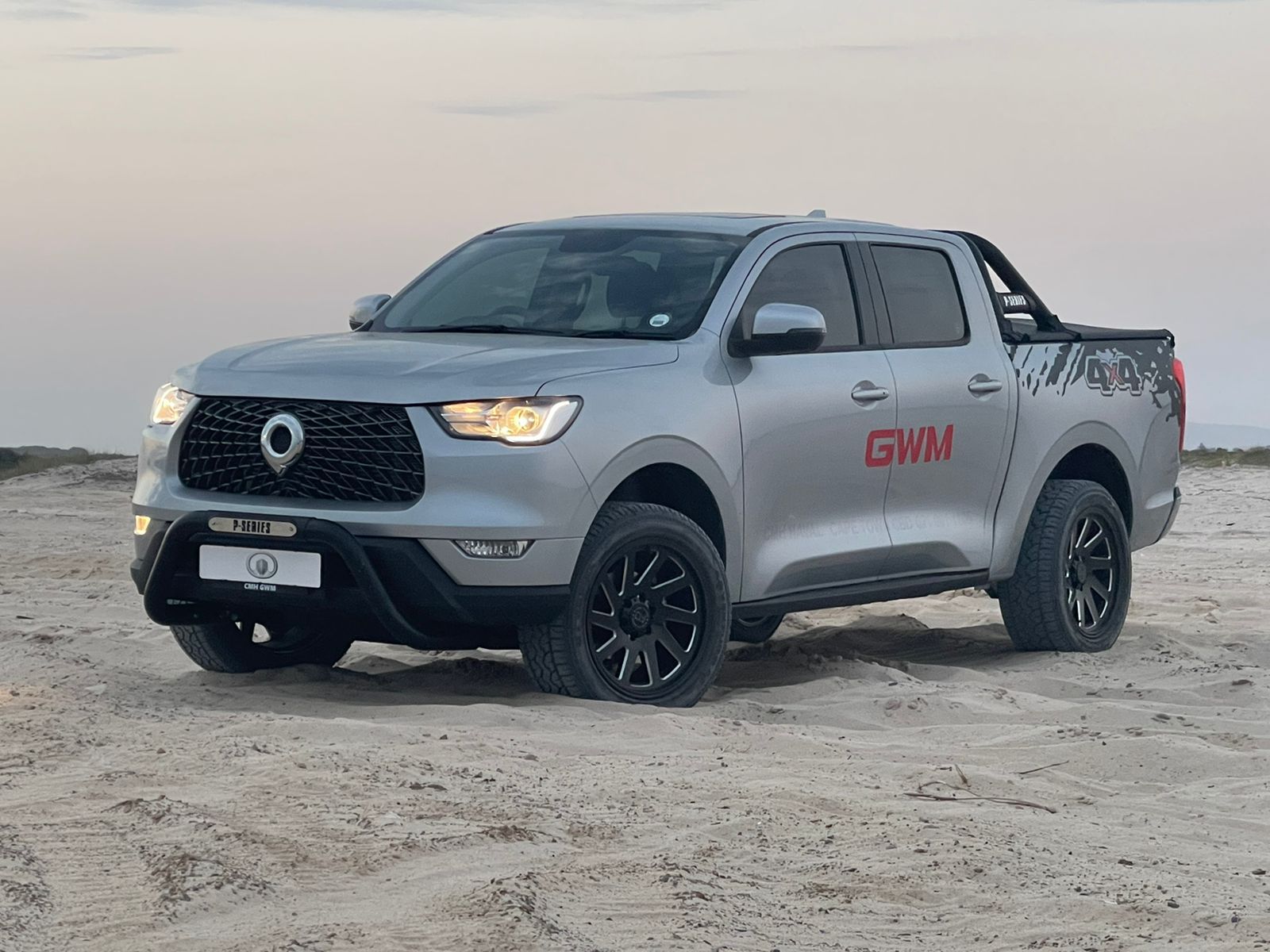
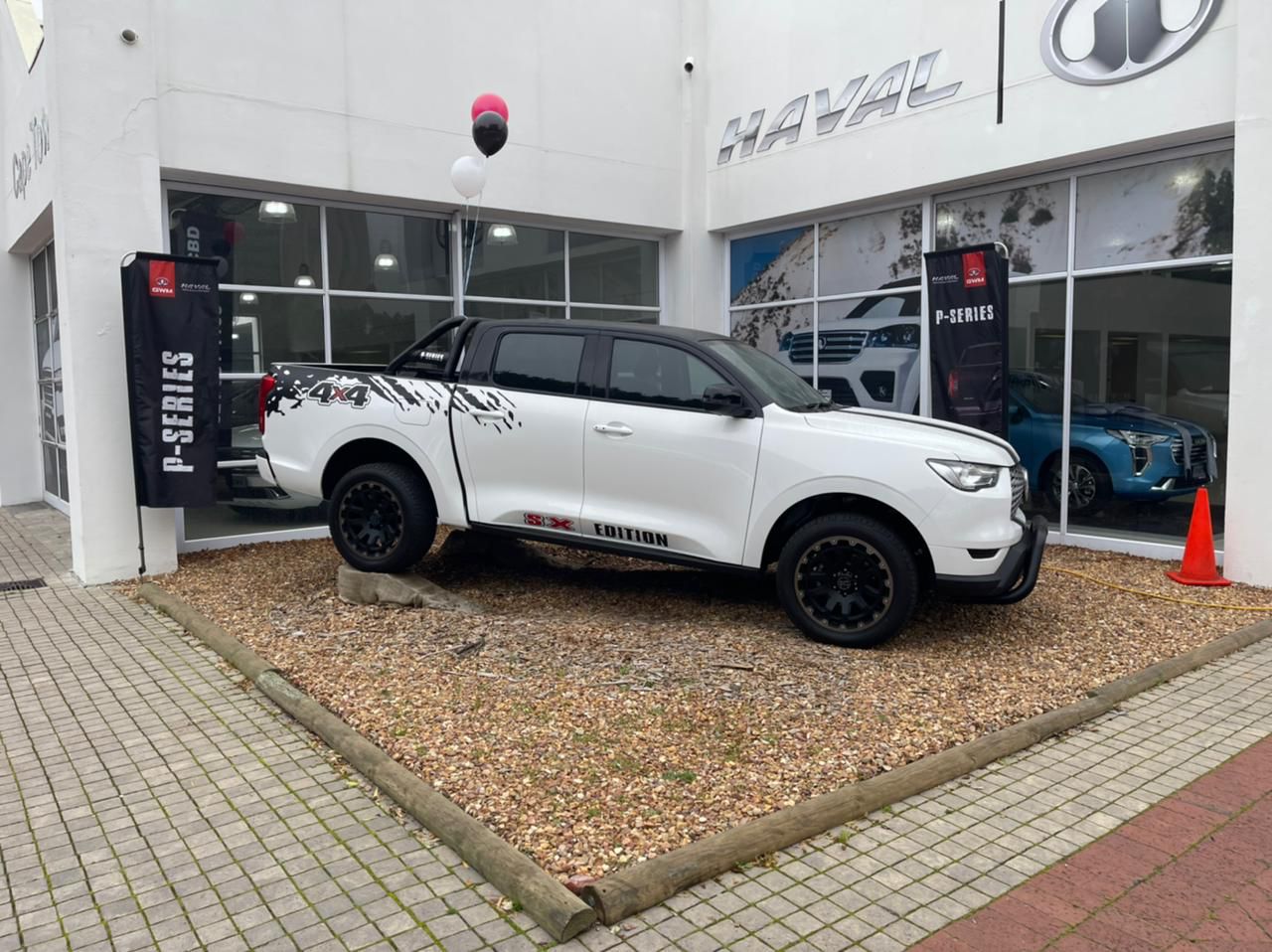
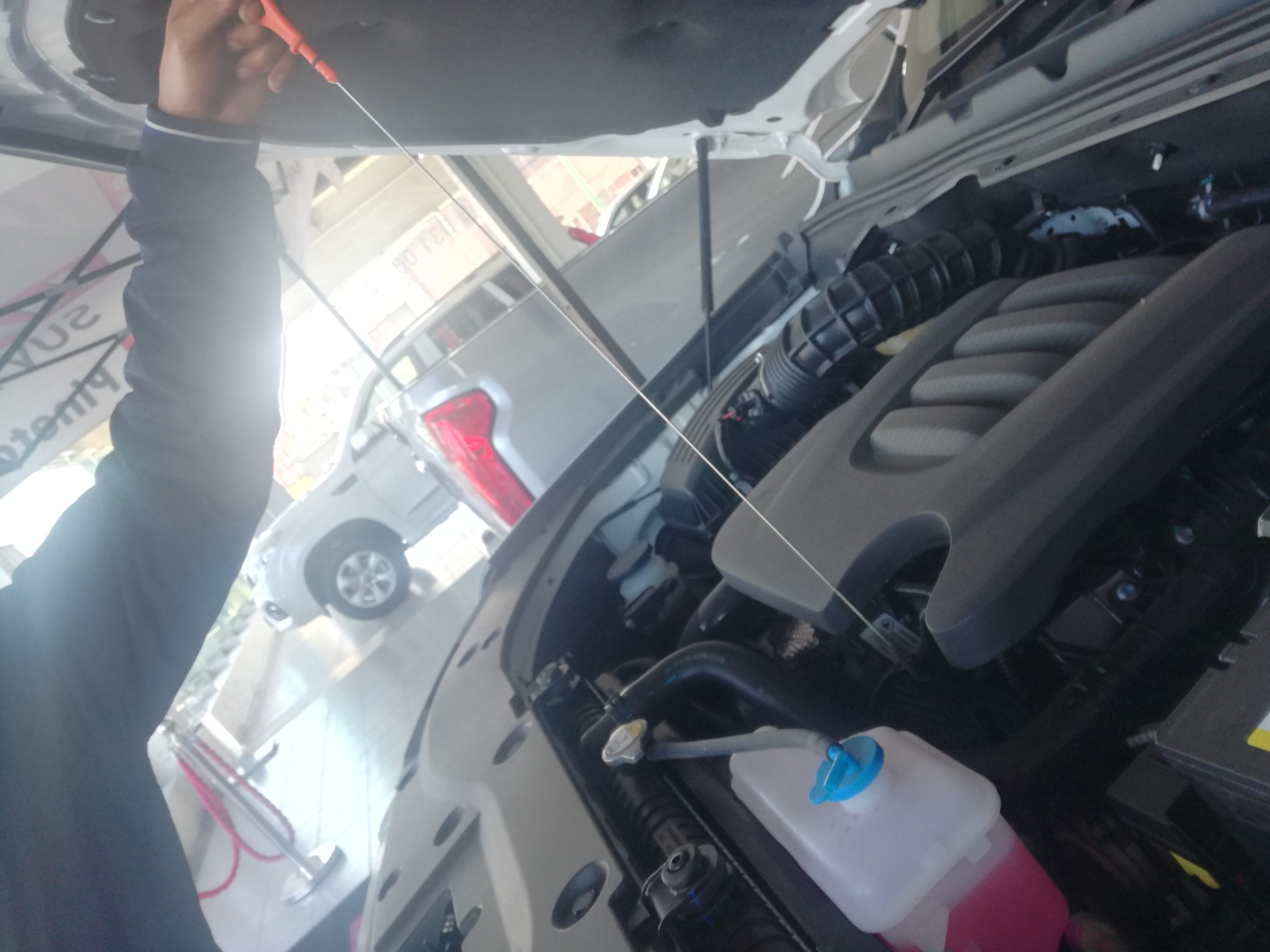
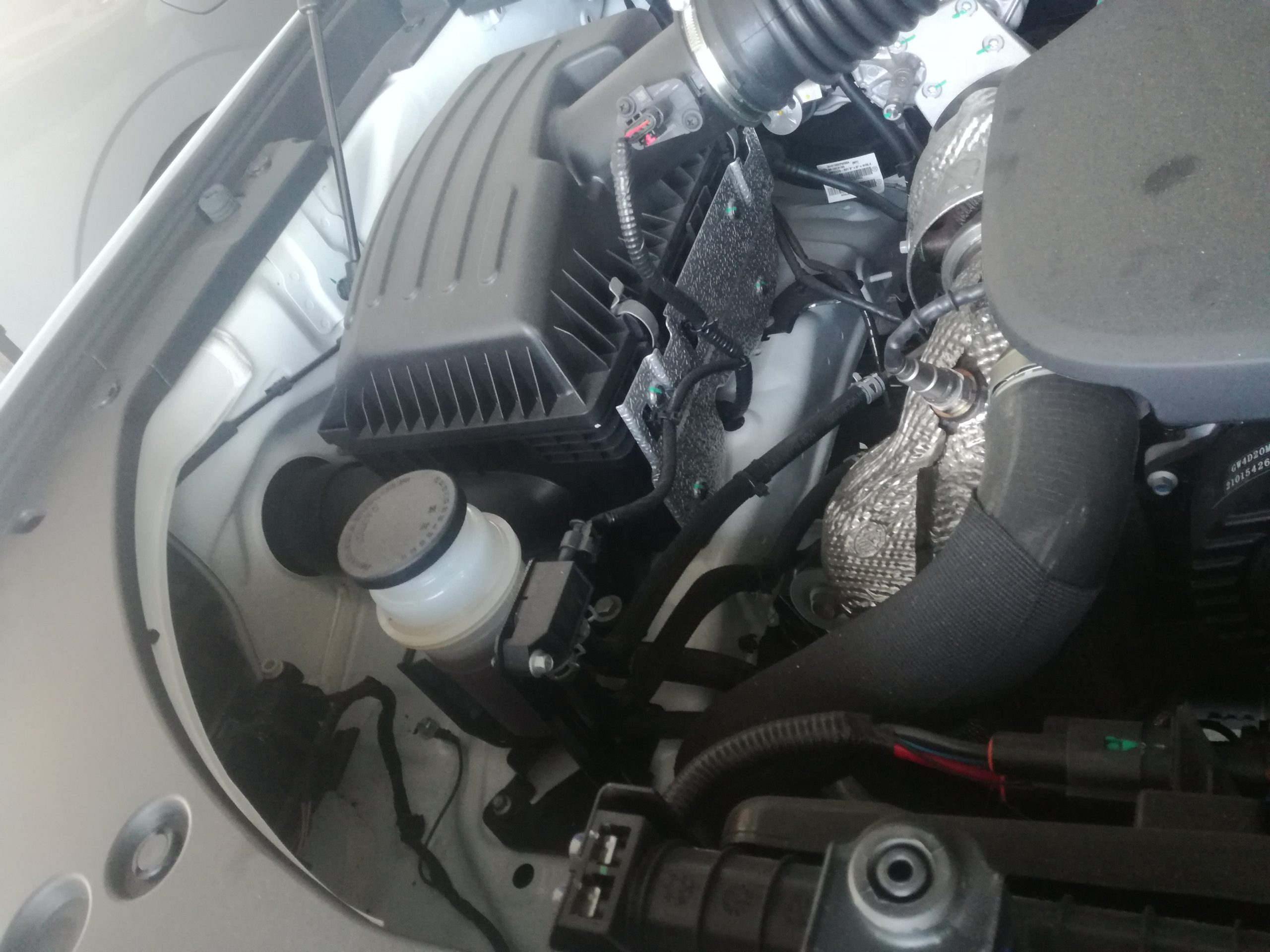
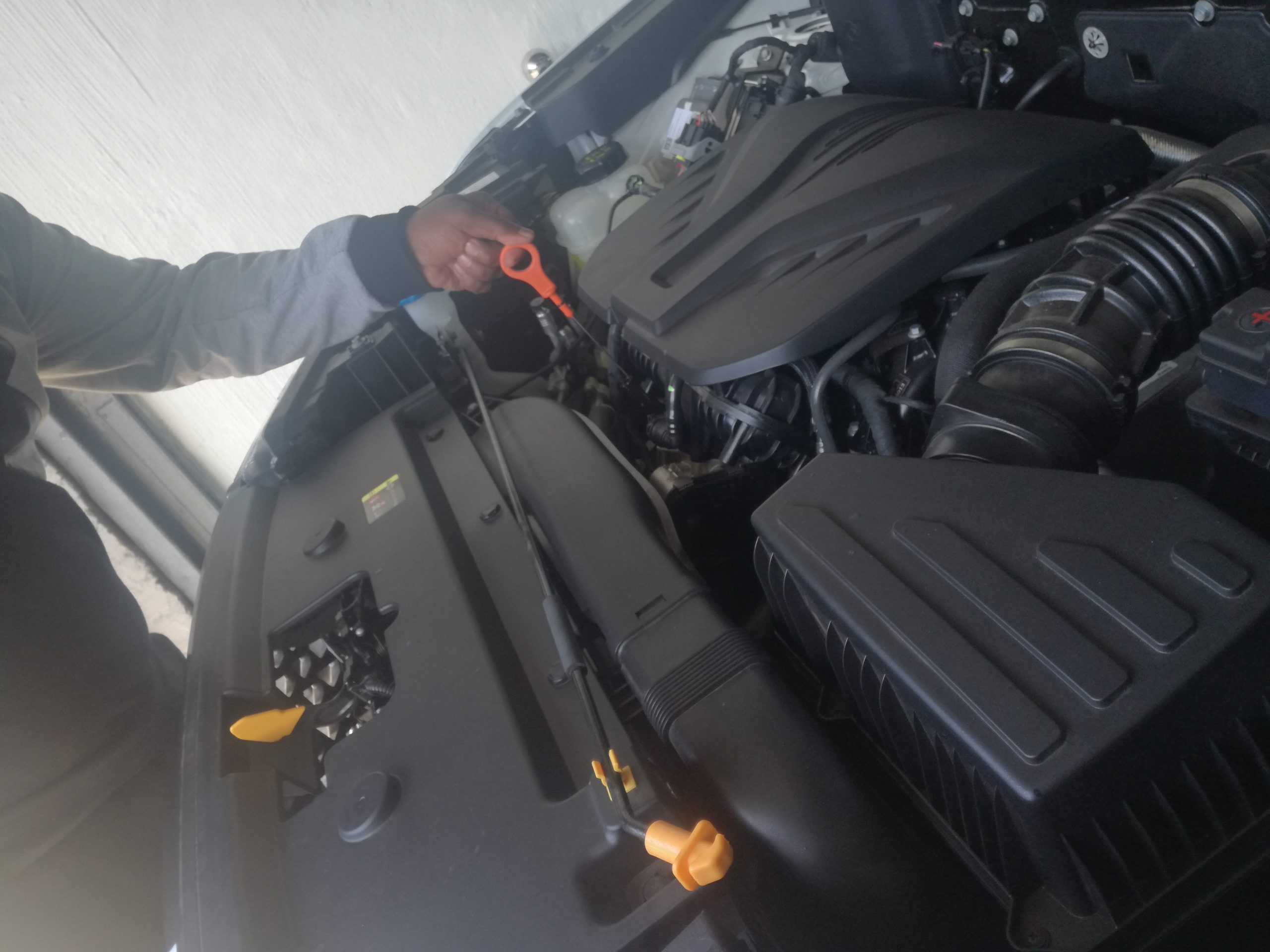
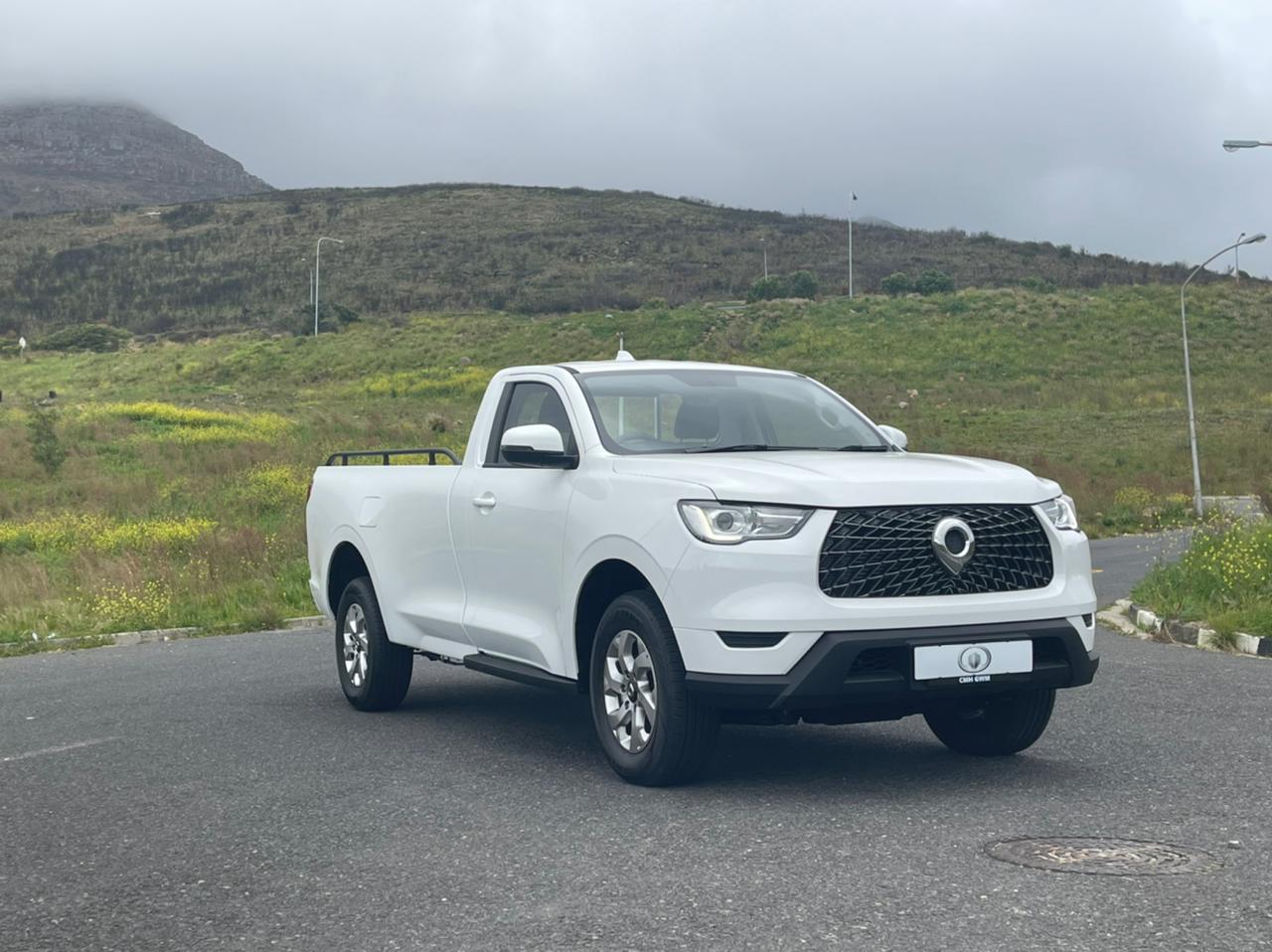 GWM’s new, all-conquering P-Series Commercial Single Cab is more than just a workhorse. This is a bakkie reimagined and the ideal vehicle to add to your fleet to increase productivity.
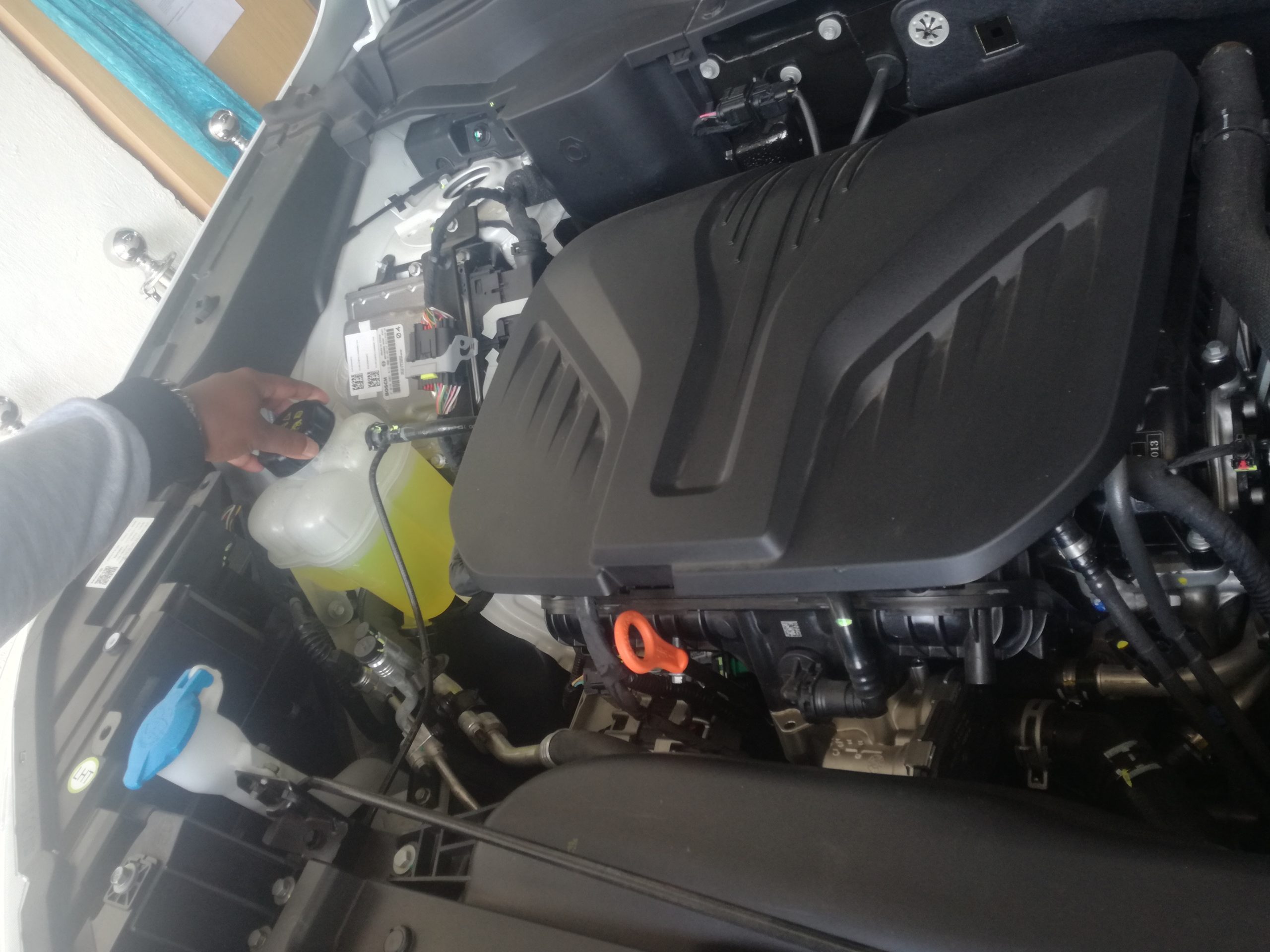
The GWM P-Series Single Cab is equipped with a powerful 2.0 TD VGT diesel engine producing 120KW and 400NM of torque. The torque peaks at 1500RPM, making this a real workhorse with tons of power. It is delivered through a versatile 6 speed Getrag transmission.
GWM’s new, all-conquering P-Series Commercial Single Cab is more than just a workhorse. This is a bakkie reimagined and the ideal vehicle to add to your fleet to increase productivity.
The GWM P-Series Single Cab is equipped with a powerful 2.0 TD VGT diesel engine producing 120KW and 400NM of torque. The torque peaks at 1500RPM, making this a real workhorse with tons of power. It is delivered through a versatile 6 speed Getrag transmission.
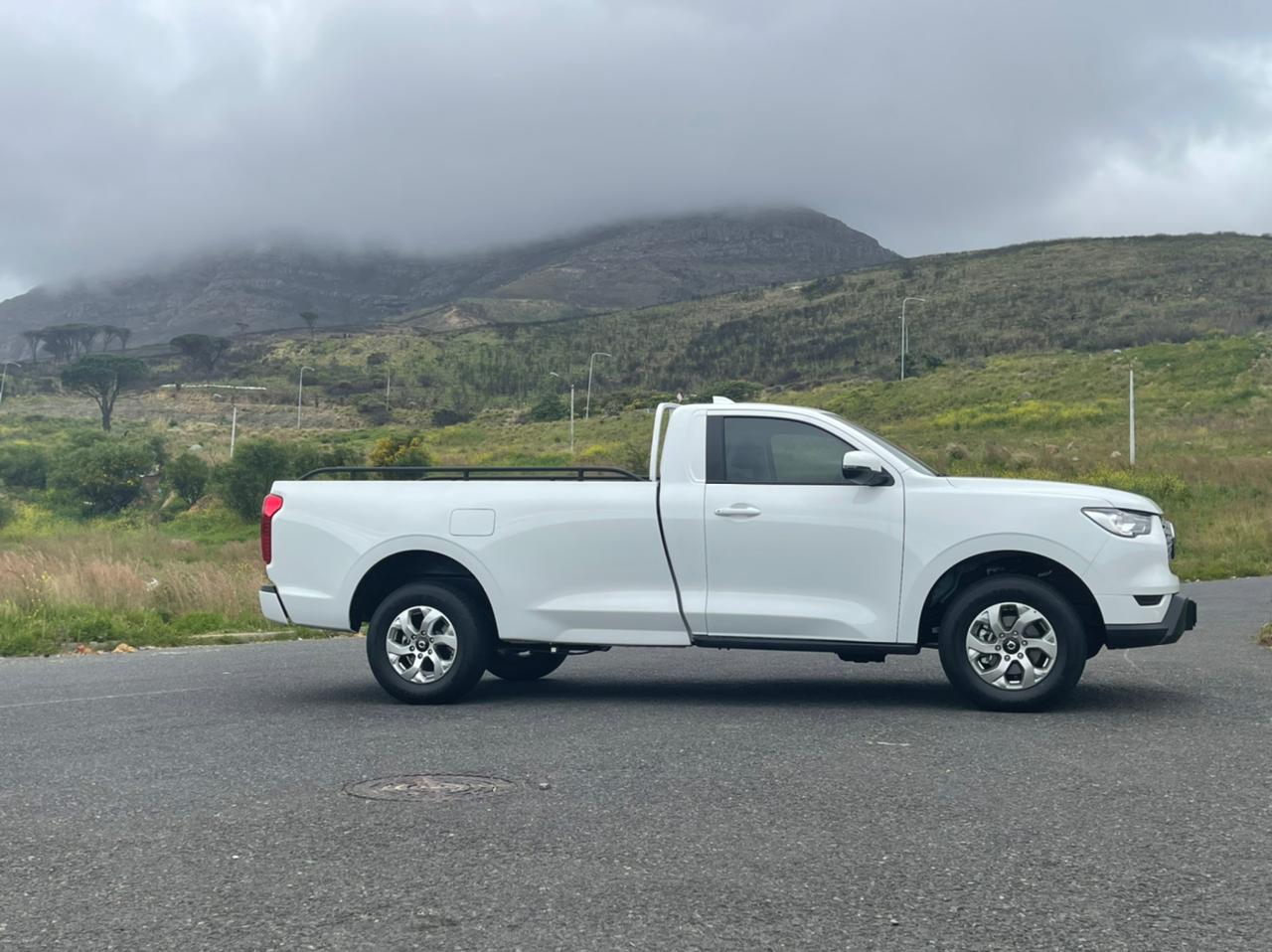 GWM South Africa has included a 5year/100 000km service plan and warranty to give total peace of mind.
A legendary single cab that doubles up on features and is a must-have for those who appreciate extra features in a rugged companion.
GWM South Africa has included a 5year/100 000km service plan and warranty to give total peace of mind.
A legendary single cab that doubles up on features and is a must-have for those who appreciate extra features in a rugged companion.
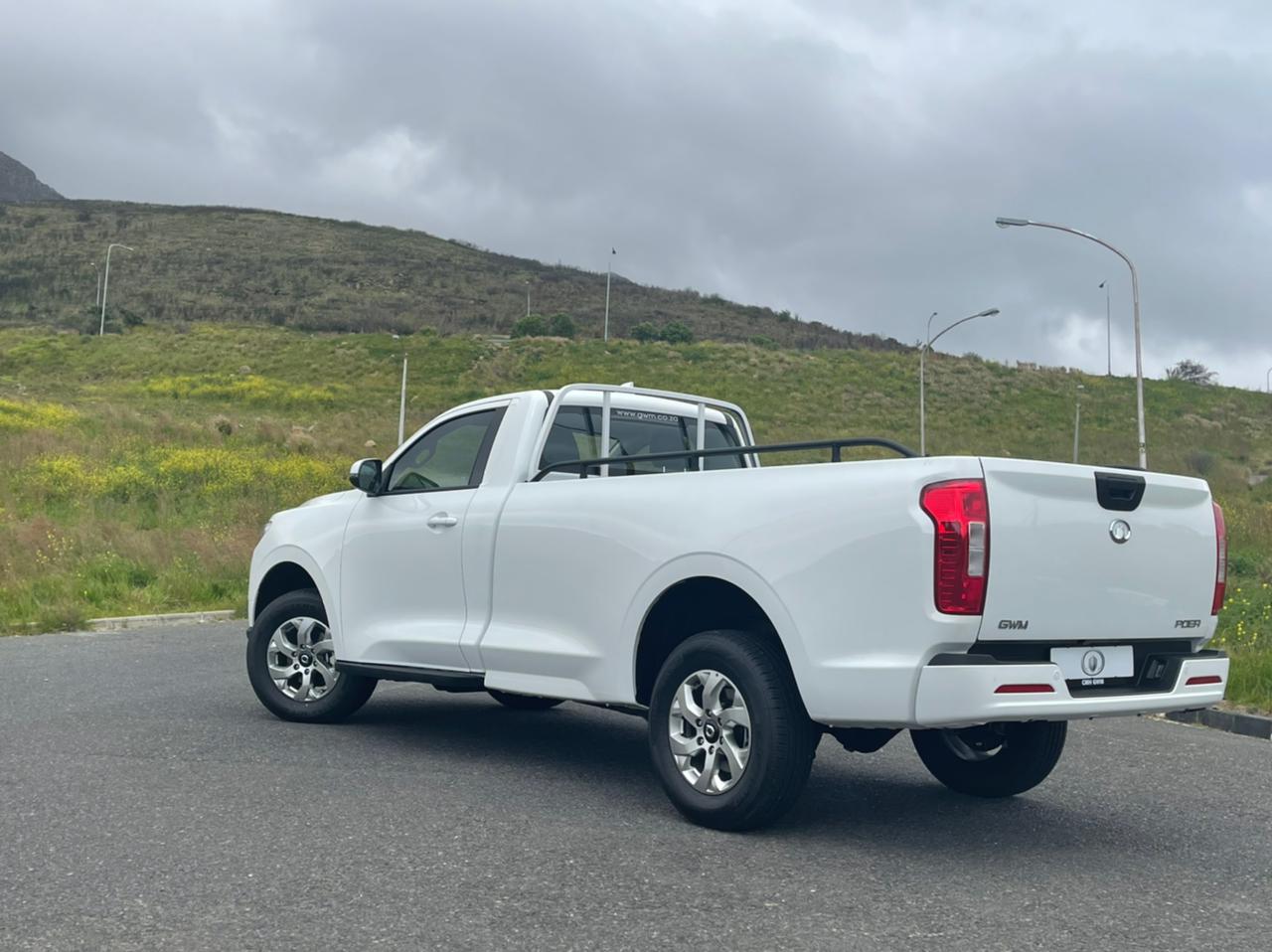 Standard safety features include hydraulic brake assist system, automatic collision unlock function, and traction control system. Bluetooth, cruise control, air conditioning, an automatic door lock, a 12v power outlet, and daytime running lights are additional features.
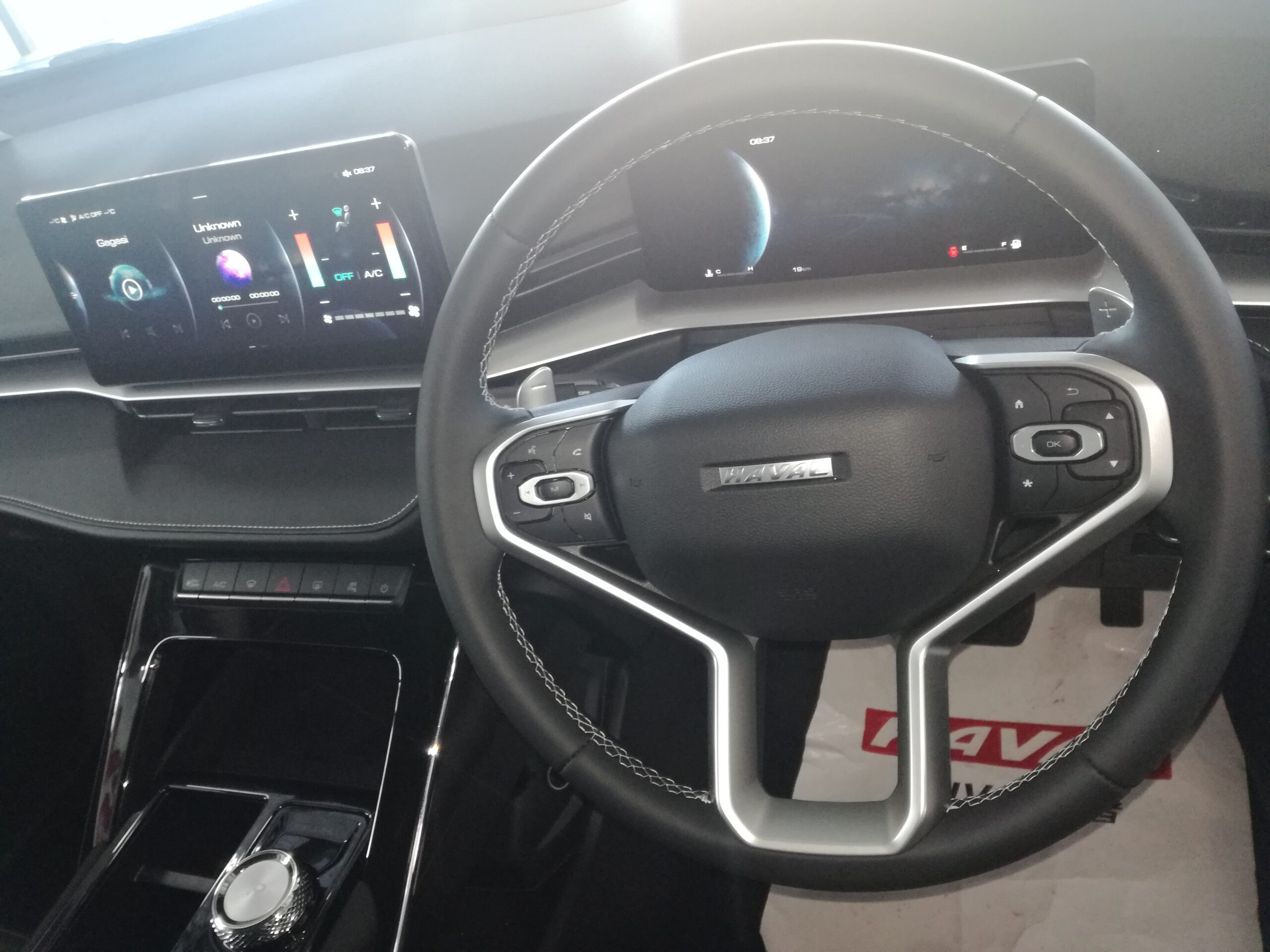
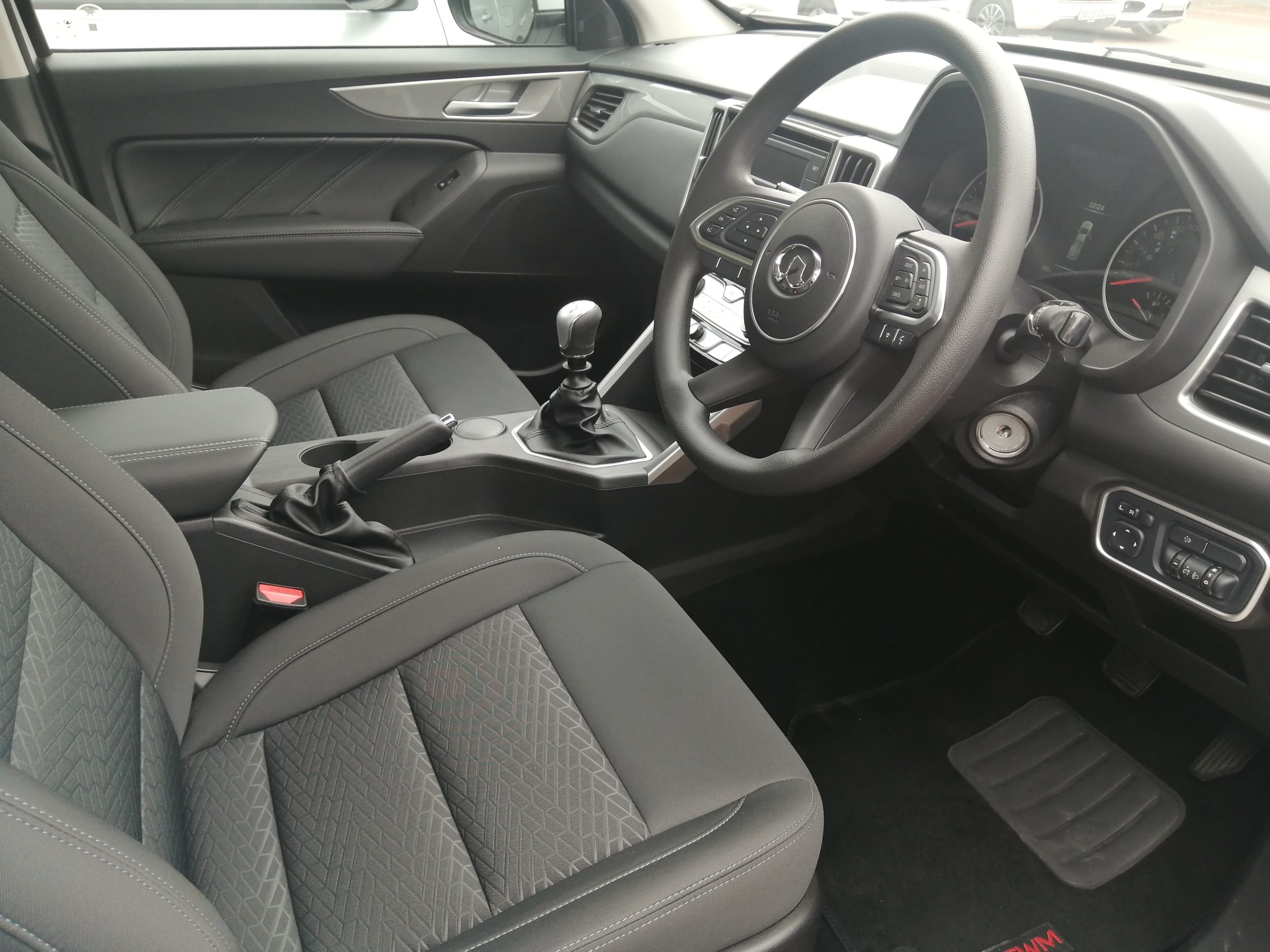 This bakkie features a luxurious interior with a black finish and leather-wrapped steering wheel, as well as a 3.5-inch colour instrument cluster. Furthermore, there are USB ports as well as cup holders in the centre console.
The DLX derivative has a reverse camera with touch screen infotainment, including apple and android car play.
The most outstanding feature of the GWM P-Series Commercial Single Cab is the larger-than-life load body, the largest volume load body in its class. It measures at 2480mm(L) x 1520mm(W) x 540mm(D), giving it a load capacity of more than 2 cubic meters. This gives the versatility of loading those larger items that would otherwise need a truck.
Accessories available for this bakkie includes canopies, secure lids, roll bars, nudge bars as well as tow bars.
Contact CMH Haval & GWM Cape Town on
This bakkie features a luxurious interior with a black finish and leather-wrapped steering wheel, as well as a 3.5-inch colour instrument cluster. Furthermore, there are USB ports as well as cup holders in the centre console.
The DLX derivative has a reverse camera with touch screen infotainment, including apple and android car play.
The most outstanding feature of the GWM P-Series Commercial Single Cab is the larger-than-life load body, the largest volume load body in its class. It measures at 2480mm(L) x 1520mm(W) x 540mm(D), giving it a load capacity of more than 2 cubic meters. This gives the versatility of loading those larger items that would otherwise need a truck.
Accessories available for this bakkie includes canopies, secure lids, roll bars, nudge bars as well as tow bars.
Contact CMH Haval & GWM Cape Town on